

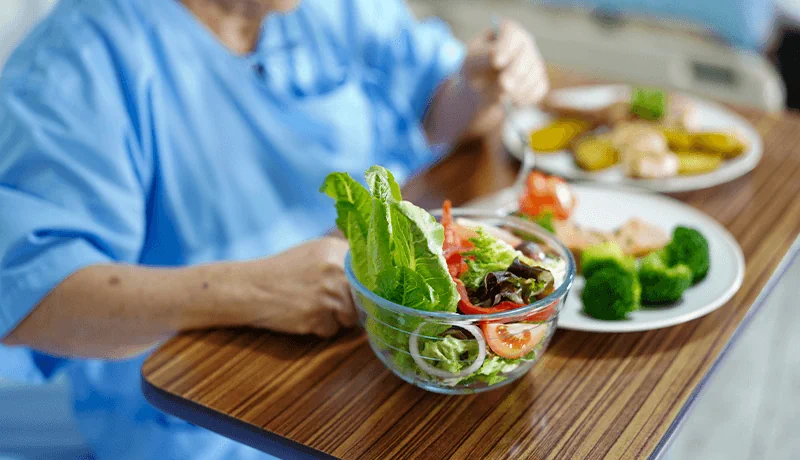
Finishing cancer treatment is a big step, but the road to full recovery is still going on. Eating well is very important for helping your body heal, get stronger, and lower the risk of cancer coming back. But there are some special problems with eating well after cancer treatment, such as side effects that don’t go away, changes in taste, and a weakened immune system.
Here are ten tips based on evidence that can help you eat well and support your recovery by making smart food choices.
1. Eat whole foods that are high in nutrients.
After treatment, your body needs good fuel to heal and rebuild. Put whole foods that are full of nutrients at the top of your list. Put a lot of colorful fruits and vegetables, lean proteins, whole grains, and healthy fats on your plate. These foods are full of vitamins, minerals, antioxidants, and phytonutrients that help the body heal and fight off infections.
Pick foods like nuts, seeds, quinoa, salmon, berries, and leafy greens. These foods are full of nutrients that help your body heal faster than processed foods that are full of empty calories and no useful compounds.
2. Put protein first for recovery
Protein is important for keeping your immune system strong, repairing tissues, and keeping muscle mass that you may have lost during treatment. Try to get protein in every meal and snack. You should aim for about 1.2 to 1.5 grams of protein per kilogram of body weight every day, or as your healthcare team suggests.
Include a range of protein sources, such as lean meats, fish, eggs, dairy products, legumes, nuts, and seeds. If you’re having trouble with your appetite or taste, protein smoothies, Greek yogurt, or nut butters might be easier to eat.
3. Drink water all day long
Staying hydrated is important for all bodily functions, but it’s even more important when you’re recovering. Not drinking enough water can make you more tired, hurt your kidneys, and slow down healing. Unless your doctor has told you otherwise, try to drink at least 8–10 glasses of water every day.
Water is the best, but you can also drink herbal teas, broths, and foods that are high in water, like soups, fruits, and vegetables. If plain water doesn’t taste good to you, try adding cucumber, lemon, or mint slices for a natural flavor.
4. Use food choices to help deal with treatment side effects
After treatment, a lot of people still have side effects like nausea, sores in their mouths, or problems with their digestion. Make sure your food choices help you deal with these problems. If you’re feeling sick, eat small, bland meals often. Crackers, toast, or ginger tea are all good options. If you have sores in your mouth, stay away from foods that are acidic, spicy, or rough. Instead, choose smooth, cool foods like yogurt or smoothies.
If you have trouble digesting, try eating foods that are easy to digest, like bananas, rice, or cooked vegetables. Get help from a registered dietitian who specializes in oncology nutrition to make plans that are right for you.
5. Eat foods high in antioxidants to help your immune system.
It is very important to help your immune system recover through nutrition because cancer treatment can weaken it. Antioxidants help keep cells safe and help the immune system work better. Eat a lot of different colored fruits and vegetables because the colors can show that they have different health benefits.
Antioxidants that help the immune system can be found in berries, dark leafy greens, orange and red vegetables, green tea, and spices like turmeric and garlic. Try to eat at least five servings of fruits and vegetables every day.
6. Slowly keep your weight at a healthy level.
Changes in weight are common during cancer treatment, whether they are due to loss of appetite, side effects of medication, or less activity. Instead of going on a strict diet, try to reach a healthy weight slowly by eating a balanced diet. If you want to gain weight, eat foods that are high in calories and nutrients, like avocados, nuts, olive oil, and protein-rich smoothies.
If you want to lose weight, focus on controlling your portions while still getting enough nutrition. Stay away from extreme diets that could hurt your recovery or health.
7. Be careful about food safety
After treatment, your immune system may still be weak, so it’s very important to be careful with food. Before you cook, wash your hands well, and be sure to wash all fruits and vegetables well. Avoid raw or undercooked foods, unpasteurized dairy products, and meats, poultry, and eggs that aren’t fully cooked.
Keep food at the right temperatures and use it within the time frames that are suggested. When eating out, pick well-known places and stay away from buffets and salad bars, where food safety may not be as good.
8. Plan and get ready for meals ahead of time
During recovery, it’s common to feel tired, which makes it hard to plan and make meals. Plan your meals ahead of time and cook when you have the energy to do so. This will help you succeed. Make big batches of soups, stews, or grains that you can freeze in portions and use later.
Keep healthy foods on hand that are easy to make, like pre-washed vegetables, canned beans, whole grain crackers, and frozen fruits. While you’re recovering, think about asking family and friends to help you cook or go grocery shopping.
9. Pay attention to what your body needs as it changes.
During recovery, your appetite, taste, and energy levels may change. Be open to change and pay attention to what your body says. Some days you might be hungry and full of energy, while other days you might need smaller, gentler meals. You don’t have to eat foods that you don’t like, but you should try to keep your overall nutrition in balance.
Write down what you eat and how it makes you feel to find patterns and change your eating plan as needed. As you heal, your body’s needs may change, so pay attention to what it tells you.
10. Get help from healthcare professionals
Don’t try to figure out what to eat after treatment on your own. Your oncology team, which should include a registered dietitian who specializes in cancer care, should work closely with you. They can help you make a nutrition plan that is right for you based on your needs, treatment history, and health goals.
As you get better, regular follow-up appointments let you make changes to your nutrition plan. Your healthcare team can also help you understand any dietary restrictions that come with medications or ongoing treatments, and they can check your nutritional status with blood tests.
Going Ahead with Confidence
Eating well after cancer treatment is important for your body to heal and for your long-term health. This is a gradual process, and it’s normal to have both good and bad days. Be patient with yourself as you learn to eat new foods and get back to foods you like.
Don’t try to be perfect; focus on making progress. Making small, regular changes to your diet can have a big effect on your energy levels, health, and quality of life. You’re giving your body the best chance to heal and stay healthy in the future by eating the right foods.
Every meal is a chance to help you get better. You can be sure that you’re doing the right things for your health and well-being after treatment by following these tips and working with your healthcare team.

WeeklyMinds.com is proud to feature an author who brings a wealth of knowledge and experience to our blog. Weekly Minds is an accomplished freelancer writer with 12 years of experience in the field.
WeeklyMinds.com has a passion for sharing insights and perspectives on political, news, technology, home improvement, interiors and many more. Their unique perspective on current affairs has been featured in numerous publications and they have been a guest speaker at college fests.
WeeklyMinds.com is also an avid interest in writing and reading and enjoys singing, music, shopping, travelling and some more. In their free time, they can often be found of reading the novels and various current topics.
We are thrilled to have Elia Scala as a contributor to WeeklyMinds and look forward to their continued insights and contributions to our blog.