

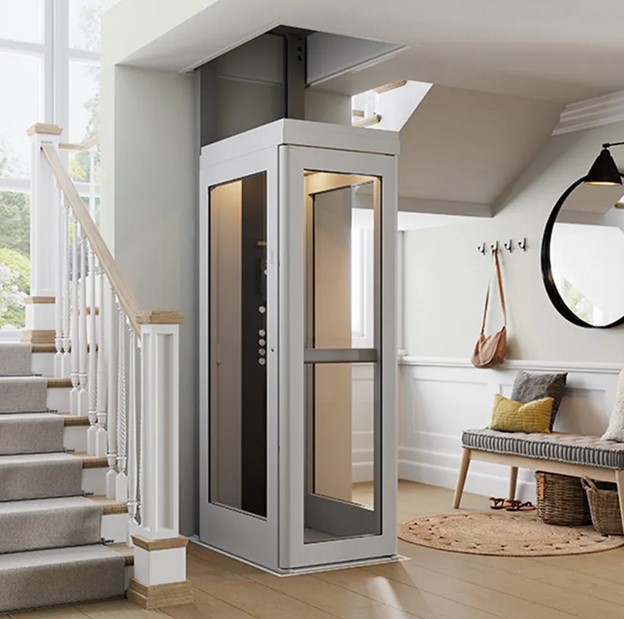
Understanding Home Elevators
Home elevators have become a significant feature in contemporary residential architecture, facilitating mobility and enhancing accessibility for individuals with physical challenges. As residential properties evolve, the integration of elevators emerges as a practical yet stylish solution that caters to an array of needs. Various types of home elevators are available, each with distinct mechanisms and benefits. The most common types include hydraulic elevators, traction elevators, and vacuum elevators.
Hydraulic elevators operate through a system of tubes filled with hydraulic fluid, which creates lift by raising and lowering the elevator car. They are renowned for their reliability and smooth operation, making them an ideal choice for multi-story homes. In contrast, traction elevators utilize a system of ropes and pulleys, powered by a counterweight. This type is often favored for its energy efficiency and lower operational costs, making it suitable for residential buildings that require frequent usage.
Vacuum elevators employ air pressure to move the car between floors, making them a unique option in the realm of home elevators. They require less space and can be installed without the need for a traditional shaft, which can be advantageous for homes with limited square footage.
The functionality of home elevators extends beyond mobility assistance. They contribute significantly to the convenience of everyday life, allowing residents to effortlessly transport items between floors and enhancing the overall aesthetic of a home. As modern architecture embraces open floor plans and multi-level designs, the trend of incorporating elevators into house designs is on the rise. The significance of home elevators in future residential architecture underscores their dual role in promoting accessibility and embodying luxury, thus redefining homeowners’ experiences.
Benefits of Installing a Home Elevator
Installing a home elevator presents a multitude of benefits, making it an invaluable addition for many homeowners. One of the primary advantages is enhanced accessibility. A home elevator significantly improves mobility for residents and guests, particularly for individuals with limited mobility or those who may require assistance in navigating different floors. By integrating an elevator, homeowners can ensure that their living spaces are welcoming to everyone, thereby promoting inclusivity.
Another critical benefit of installing a home elevator is future-proofing the home. As homeowners age, the physical challenges of climbing stairs can become increasingly daunting. A home elevator allows residents to age in place comfortably, eliminating the need to relocate as mobility decreases. This thoughtful planning not only ensures safety but also provides peace of mind, contributing to a better quality of life for the occupants.
From a financial perspective, the installation of a home elevator can positively influence the property’s resale value. Potential buyers often view homes with elevators as more desirable, particularly in multi-story properties. Thus, implementing this feature can create a unique selling proposition within a competitive real estate market, thereby enhancing the overall investment potential of the home.
Additionally, a home elevator offers significant practicality advantages when moving heavy items between floors. Whether relocating groceries, recycling, or moving furniture, the elevator provides a convenient solution that reduces physical strain on residents. Beyond its functional benefits, modern home elevators can also elevate the aesthetic appeal of a property. Innovative designs and various finishing options allow homeowners to seamlessly integrate elevators into their existing décor.
Lastly, energy-efficient models of home elevators have emerged as environmentally friendly alternatives to traditional transportation methods within the home. These modern units often consume less power, ultimately promoting sustainability. In essence, the installation of a home elevator not only addresses practical needs but also contributes positively to the home and environment.
Choosing the Right Home Elevator for Your Needs
Selecting the appropriate home elevator requires a thorough evaluation of several critical factors that cater to the unique needs of your household. One of the foremost considerations is the availability of space. Assessing the existing layout of your home is vital, as some elevators necessitate a designated shaft space while others, such as pneumatic and shaftless models, may offer more flexibility in terms of installation. Understanding the dimensions of your intended elevator location will guide you in choosing a model that fits seamlessly within your existing architecture.
Budget is another significant factor influencing your decision. Home elevators can vary widely in cost, influenced by the type of elevator, technology, and customization options. It is prudent to establish a clear budget beforehand and request quotes from reputable suppliers to understand the upfront expenses, as well as any ongoing maintenance costs associated with your chosen model.
Specific household needs play a critical role in the selection process. Considerations such as mobility challenges, the intended use of the elevator (e.g., transporting individuals, cargo, or both) and the number of floors the elevator will serve should inform your decision. Furthermore, exploring functionality perks such as automatic doors or control panels that accommodate various disabilities can significantly enhance usability.
Customization options also require consideration. Many manufacturers provide the opportunity to personalize finishes, colors, and designs to ensure that the elevator complements your home’s aesthetic. Safety standards are paramount; ensure that any model you are considering meets local regulations and incorporates features such as emergency braking systems and backup power supply.
Finally, hiring a reputable installer is essential. This guarantees not only the quality of the installation but also compliance with the relevant building codes, ensuring a safe and reliable home elevator. Engaging professionals with solid recommendations and industry experience can streamline the decision-making process and safeguard your investment long-term.
Maintenance and Safety Tips for Home Elevators
Ensuring the smooth operation and safety of home elevators is paramount for both functionality and peace of mind. Regular maintenance is crucial to minimize the risk of malfunctions that could lead to accidents or costly repairs. Homeowners should schedule routine inspections with a certified professional, ideally twice a year, to address any potential issues. This practice not only enhances the longevity of the elevator but also confirms that all components, such as cables, motors, and pulleys, are in optimal working condition.
Maintenance should also include lubrication of moving parts, checking the elevator’s electrical systems, and confirming the functionality of safety mechanisms. A service technician will inspect the control panel, lift doors, and security features like emergency brakes and alarms. It is important to document these inspections and any repairs conducted for future reference.
Safety features are a critical aspect of home elevators. Emergency brakes are crucial for halting the elevator in case of a malfunction, while alarms and call buttons provide immediate assistance in case of an emergency. Homeowners should ensure these systems are in place and function correctly. Testing these features regularly can prevent serious accidents and instill confidence in riders.
Educating all household members about safe elevator use practices is essential. Clear instructions on how to operate the elevator, the importance of not exceeding weight limits, and the proper use of handrails can prevent injuries. Additionally, developing emergency procedures, including how to handle scenarios where the elevator stops unexpectedly, is critical. These practices not only protect users but also reinforce a culture of safety within the home.
By integrating these maintenance and safety tips into a home elevator’s upkeep, homeowners can ensure continuous safe operation and maintain peace of mind for all users.

WeeklyMinds.com is proud to feature an author who brings a wealth of knowledge and experience to our blog. Weekly Minds is an accomplished freelancer writer with 12 years of experience in the field.
WeeklyMinds.com has a passion for sharing insights and perspectives on political, news, technology, home improvement, interiors and many more. Their unique perspective on current affairs has been featured in numerous publications and they have been a guest speaker at college fests.
WeeklyMinds.com is also an avid interest in writing and reading and enjoys singing, music, shopping, travelling and some more. In their free time, they can often be found of reading the novels and various current topics.
We are thrilled to have Elia Scala as a contributor to WeeklyMinds and look forward to their continued insights and contributions to our blog.