

Building a strong, toned upper body doesn’t require an expensive gym membership or complicated equipment. With just a pair of dumbbells and some dedication, you can develop impressive strength and muscle definition right in your living room. This comprehensive guide will walk you through everything you need to know to start your upper body transformation journey.
What You’ll Need
Before diving into the exercises, let’s cover the essentials. You’ll need a pair of adjustable dumbbells or a set ranging from 5 to 25 pounds. Beginners should start lighter than they think necessary—proper form is far more important than heavy weight. You’ll also want a sturdy chair or bench, a yoga mat for comfort, and enough space to extend your arms fully in all directions.
Understanding Your Upper Body Muscles
Your upper body consists of several major muscle groups that work together to create balanced strength and appearance. The chest muscles (pectorals) are responsible for pushing movements. Your back muscles, including the latissimus dorsi and rhomboids, handle pulling motions and maintain posture. The shoulders (deltoids) enable you to lift your arms in various directions. Your biceps flex the elbow and help with pulling, while triceps extend the elbow and assist with pushing. Finally, your core muscles stabilize your entire body during exercises.
The Essential Exercises
Dumbbell Chest Press
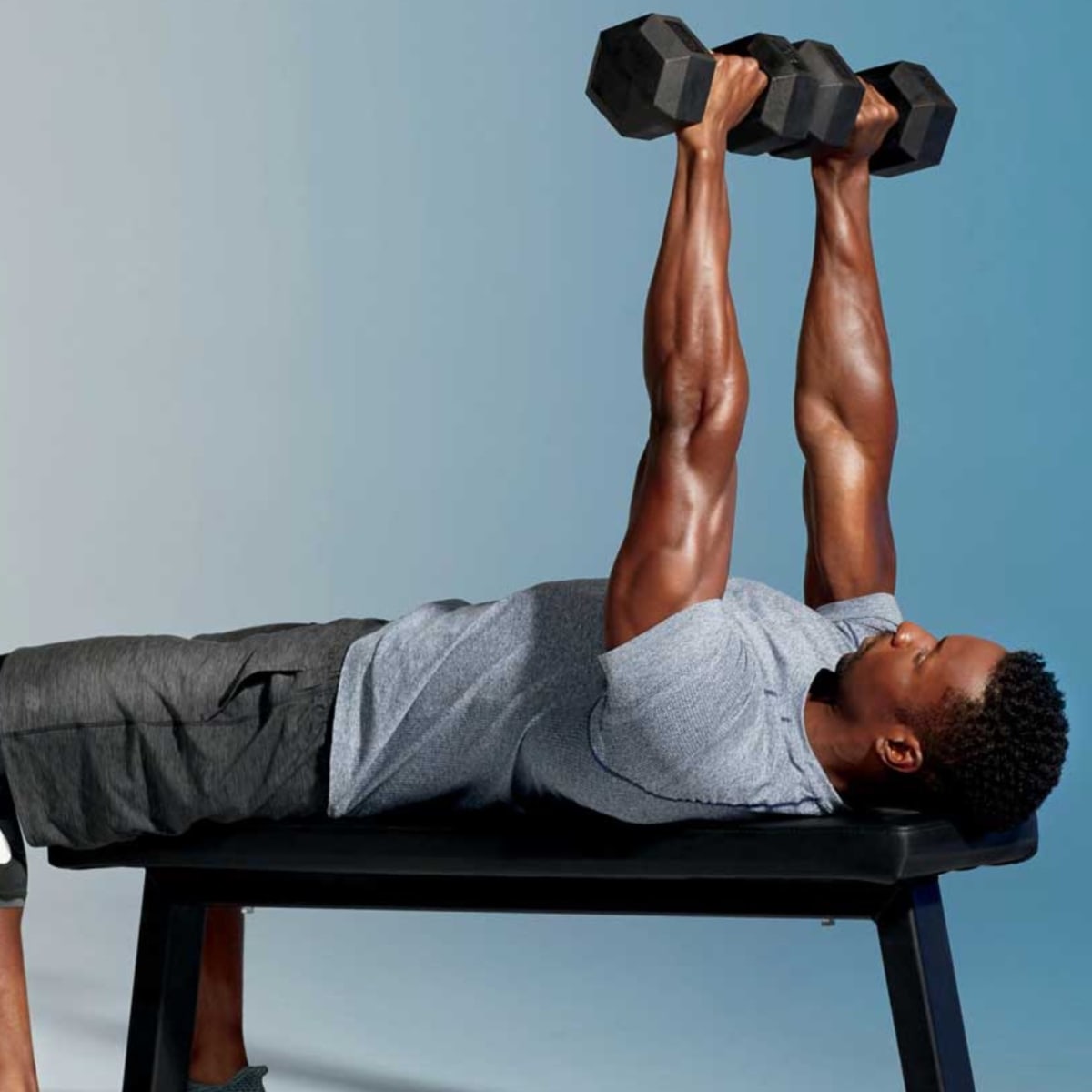
Lie on your back on a bench or the floor with knees bent and feet flat. Hold a dumbbell in each hand at chest level with palms facing forward. Press the dumbbells straight up until your arms are fully extended, then lower them back down with control. This exercise targets your chest, shoulders, and triceps. Aim for three sets of 10 to 12 repetitions.
Bent-Over Dumbbell Row
Stand with feet hip-width apart, holding a dumbbell in each hand. Hinge forward at your hips, keeping your back straight and core engaged. Let the dumbbells hang at arm’s length, then pull them up toward your ribcage, squeezing your shoulder blades together. Lower with control. This builds your back muscles and improves posture. Complete three sets of 10 to 12 reps.
Shoulder Press
Sit or stand with feet shoulder-width apart. Hold dumbbells at shoulder height with palms facing forward. Press the weights straight overhead until your arms are fully extended, then lower them back to shoulder level. This strengthens your shoulders and triceps. Perform three sets of 10 to 12 repetitions.
Bicep Curls
Stand with feet hip-width apart, holding dumbbells at your sides with palms facing forward. Keeping your elbows close to your body, curl the weights up toward your shoulders. Squeeze your biceps at the top, then lower slowly. This classic exercise isolates and builds your biceps. Do three sets of 12 to 15 reps.
Tricep Overhead Extension
Stand or sit holding one dumbbell with both hands. Raise it overhead with arms fully extended, then bend your elbows to lower the weight behind your head. Keep your upper arms stationary and extend back to the starting position. This targets the back of your arms. Complete three sets of 10 to 12 repetitions.
Lateral Raises
Stand with feet hip-width apart, dumbbells at your sides with palms facing inward. Keeping a slight bend in your elbows, raise the dumbbells out to the sides until they reach shoulder height. Lower with control. This sculpts your shoulder muscles. Aim for three sets of 12 to 15 reps.
Dumbbell Pullover
Lie on your back holding one dumbbell with both hands above your chest. With a slight bend in your elbows, lower the weight back over your head in an arc until you feel a stretch in your chest and lats. Return to the starting position. This works both your chest and back. Perform three sets of 10 to 12 repetitions.
Sample Beginner Workout Routine
For your first few weeks, follow this straightforward routine two to three times per week with at least one rest day between sessions. Start with a five-minute warm-up of arm circles, shoulder rolls, and light cardio like marching in place.
Your workout should include the dumbbell chest press, bent-over row, shoulder press, bicep curls, tricep overhead extension, and lateral raises. Complete each exercise for three sets of 10 to 12 repetitions, resting 60 to 90 seconds between sets. Finish with a five-minute cool-down of stretching, focusing on your chest, shoulders, back, and arms.
Form Tips for Success
Maintaining proper form prevents injuries and maximizes results. Always keep your core engaged and maintain a neutral spine throughout each movement. Move through the full range of motion without using momentum or swinging the weights. Breathe consistently, exhaling during the exertion phase and inhaling during the easier phase. If you can’t complete a set with good form, the weight is too heavy.
Progression and Growth
As a beginner, you’ll notice improvements quickly. Once you can complete all sets with good form and the exercises feel easier, it’s time to progress. You can increase the weight by two to five pounds, add an extra set to each exercise, slow down your repetitions for more time under tension, or reduce rest time between sets.
Common Mistakes to Avoid
Many beginners lift weights that are too heavy too soon, sacrificing form for ego. Others skip warm-ups and cool-downs, increasing injury risk. Holding your breath during exercises is dangerous and reduces performance. Training the same muscles every day doesn’t allow for proper recovery. Finally, neglecting your back and focusing only on mirror muscles like chest and biceps creates imbalances.
Recovery and Rest
Your muscles grow during rest, not during workouts. Give each muscle group at least 48 hours to recover before training it again. Stay hydrated, aim for seven to nine hours of sleep nightly, and fuel your body with adequate protein and balanced nutrition. Listen to your body and take extra rest if you’re feeling overly fatigued or sore.
Motivation and Consistency
Building a strong upper body takes time and dedication. Take photos and measurements monthly to track progress that the scale might not show. Set specific, achievable goals like performing 15 push-ups or pressing a certain weight. Find a workout time that fits your schedule and stick to it. Remember that some workout is always better than no workout, even if you need to shorten your session occasionally.
When to Seek Guidance
Consider consulting a certified personal trainer if you’re unsure about your form, have a history of injuries, want a personalized program, or feel you’ve hit a plateau. Many trainers offer virtual sessions perfect for home workouts.
Conclusion
Starting a dumbbell upper body workout routine at home is one of the best investments you can make in your health and fitness. With consistent effort, proper form, and patience, you’ll build strength, improve your physique, and boost your confidence. Remember that everyone starts somewhere, and the most important step is simply beginning. Pick up those dumbbells, follow this guide, and commit to showing up for yourself. Your stronger, healthier future is waiting.

WeeklyMinds.com is proud to feature an author who brings a wealth of knowledge and experience to our blog. Weekly Minds is an accomplished freelancer writer with 12 years of experience in the field.
WeeklyMinds.com has a passion for sharing insights and perspectives on political, news, technology, home improvement, interiors and many more. Their unique perspective on current affairs has been featured in numerous publications and they have been a guest speaker at college fests.
WeeklyMinds.com is also an avid interest in writing and reading and enjoys singing, music, shopping, travelling and some more. In their free time, they can often be found of reading the novels and various current topics.
We are thrilled to have Elia Scala as a contributor to WeeklyMinds and look forward to their continued insights and contributions to our blog.