

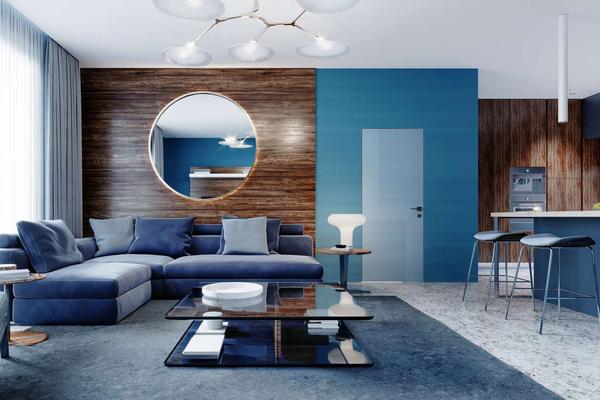
Getting to Know Your Space
A full look at the layout, size, and lighting of your home is the first step in evaluating its interior. These things have a big impact on how the space feels and works as a whole. To begin, measure each room carefully. The exact measurements will be a useful guide for making design decisions later on. You should also think about any architectural features, like built-in shelves, windows, and doorways, that could affect how you arrange your furniture and decor.
Light from outside is very important in interior design. Watch how sunlight comes into your space during the day and make a note of any windows, skylights, or other things that might block light. Rooms that are well-lit usually feel bigger and more inviting. Darker areas may need special lighting or lighter paint colors to make them brighter. Finding the best-lit areas in your home can also help you decide where to put important furniture and art, making the most of the natural environment in your design.
It’s just as important to find areas that are too cluttered and may make your home less functional or attractive. Start by looking at your storage options and making a list of things that can be thrown away or rearranged. Making sure that each area of your home serves its purpose without feeling cramped or chaotic is important for creating a smooth flow. Think about how people will move through each room and how the layout will affect that. You can make your living spaces more comfortable and useful by setting aside specific areas for different activities.
To sum up, knowing your space is the most important step in making a beautiful interior. You can create a peaceful space that meets your needs and tastes by carefully looking at the size, architecture, natural light, and clutter.
Picking the Right Colors
Choosing a color scheme that works well together is very important in interior design because it has a big impact on the mood and look of a room. The first step is to learn about color psychology, which shows how different colors can make you feel different things and give you different energies. Warm colors like reds and oranges give you energy, while cool colors like blues and greens help you relax. You need to pick colors that not only match your personality but also fit the mood you want to create in the room.
When making your color palette, think about starting with a neutral color. Beige, gray, or soft white are good base colors that go well with brighter colors. After you have a neutral base, add two or three accent colors that go well together. This makes sure that the space looks balanced and cohesive. Use color swatches to see how different colors look with the lighting and furniture you already have in your home.
You can use these accent colors in many ways around the house, like on walls, furniture, and decorations. One common method is to make an accent wall, which can make a room look deeper and more interesting. When choosing a wall to highlight, think about the room’s main features, like fireplaces or artwork, to make sure they stand out. Adding textures to your color choices can also make the space more dynamic and layered. For example, you could use wooden furniture or fabric cushions.
Combining different colors and materials not only makes for a more interesting visual experience, but it also lets you show off your own style more. So, to get a beautiful and cohesive interior design, you need to choose your color palette carefully, taking into account how it will affect mood and function.
Adding furniture and decorations
The furniture and decor you choose and how you arrange them are very important for making your home more useful and beautiful. It is very important to pick furniture that is the right size and scale. Too big furniture can make a small room feel crowded, and too small furniture can make a big room feel empty. Before you buy furniture, it’s a good idea to measure the space so that the pieces you choose will fit well in each room.
The way furniture is arranged also has a big effect on how people move around in a space, in addition to its size. It’s important to make conversation areas, especially in living rooms and family rooms. You can do this by putting chairs and sofas facing each other, which makes people want to talk to each other. Be aware of pathways; making sure there is enough room for people to move around will make the space feel more welcoming. A well-planned layout can also make each room work better, making the home both useful and welcoming.
Rugs, curtains, and artwork are examples of decorative items that can make a home even more unique. Rugs can define areas, add warmth, and bring in color and texture. Curtains can also give you privacy and control over the light. When choosing art, think about picking pieces that speak to you personally. Art can give your space a unique personality and be a focal point. Things like books, vases, and sculptures can add to the overall look and feel of a space and show off your personal style.
Making a space feel like it’s yours is all about personalizing it. Include one-of-a-kind decor and accessories that show off your style, like vintage finds, souvenirs from trips, or family heirlooms. Putting together furniture and decor in a smart way will not only make your home look better, but it will also make it more comfortable to live in.
Light and Mood
Lighting is an important part of home interior design because it has a big effect on how a room feels and works. Homeowners can make their homes more welcoming and balanced by learning about the three main types of lighting: ambient, task, and accent. Ambient lighting is the first layer. It gives the whole room general light. Common sources are ceiling lights, chandeliers, and windows that let in natural light. Adding task lighting, like pendant lights over a kitchen island or desk lamps for reading, to this base layer will make it better by providing focused light for certain tasks.
Accent lighting, on the other hand, draws attention to architectural features, artwork, or decor items, giving the room more depth and interest. Wall sconces or spotlights can help draw attention to certain parts of the home, making them a nice focal point. When you layer these kinds of lights, you can find a good balance that makes sure each area does what it’s supposed to do and adds to the overall feel of the room.
When choosing light fixtures, think about how they will look and how they will work. Pick designs that go with the style of the room, whether it’s modern, traditional, or a mix of all three. Energy efficiency should also be a top priority. Another important thing to do is to use natural light. You can do this by placing mirrors in the right places to reflect light and brighten up dark areas. Think about adding dimming options to different light sources to make the space feel warm and welcoming. This lets you change the brightness of the light based on the time of day or the mood you want to create.
Smart home lighting systems can make your home even more comfortable and save energy. Homeowners can change the brightness and color temperature of these systems using mobile apps or voice commands. This makes them easy to use and lets them customize their experience. This careful way of lighting not only makes a home look better, but it also creates a space that is both useful and welcoming.

WeeklyMinds.com is proud to feature an author who brings a wealth of knowledge and experience to our blog. Weekly Minds is an accomplished freelancer writer with 12 years of experience in the field.
WeeklyMinds.com has a passion for sharing insights and perspectives on political, news, technology, home improvement, interiors and many more. Their unique perspective on current affairs has been featured in numerous publications and they have been a guest speaker at college fests.
WeeklyMinds.com is also an avid interest in writing and reading and enjoys singing, music, shopping, travelling and some more. In their free time, they can often be found of reading the novels and various current topics.
We are thrilled to have Elia Scala as a contributor to WeeklyMinds and look forward to their continued insights and contributions to our blog.