

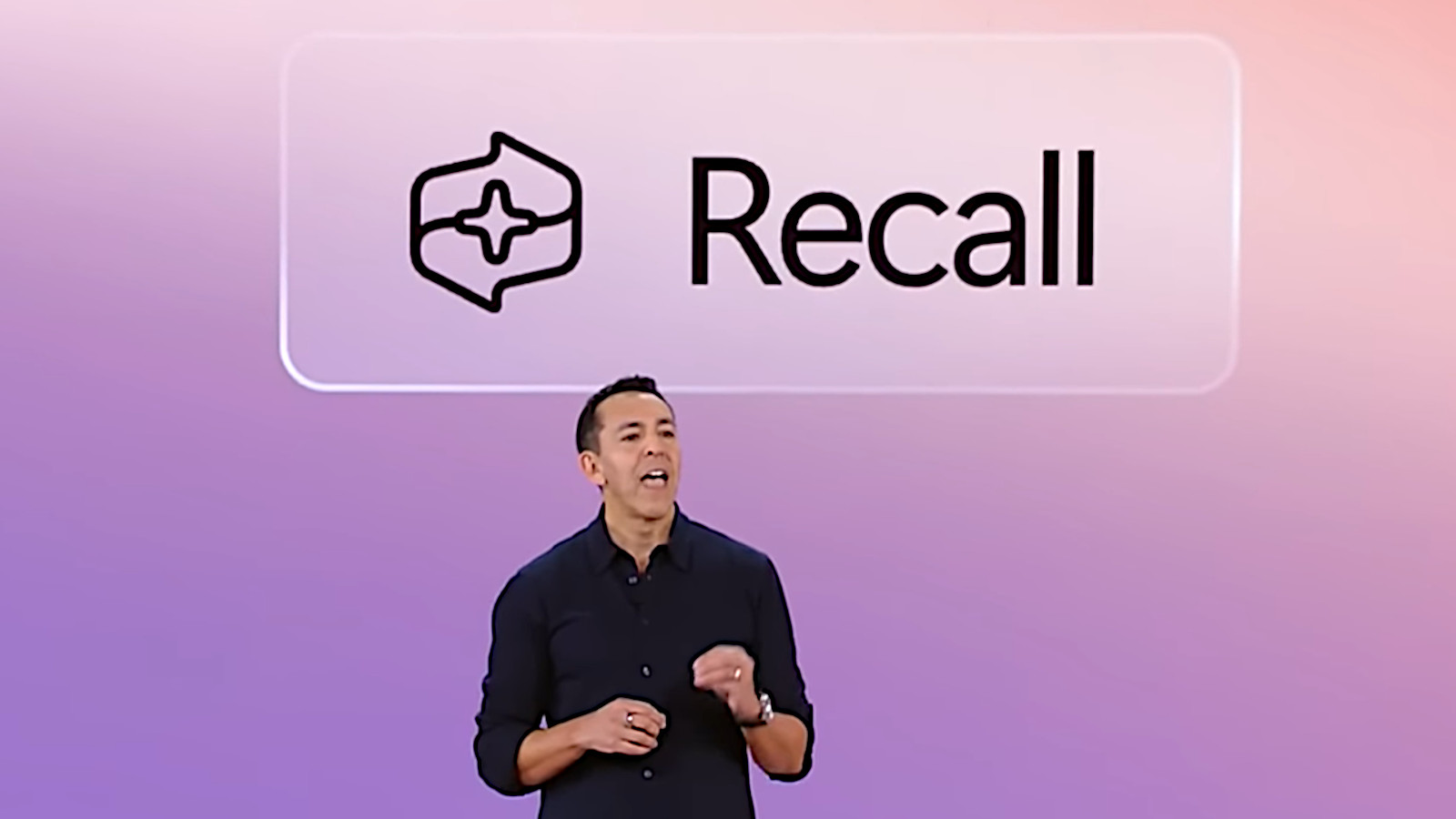
Microsoft is finally moving forward with its controversial Recall feature after nearly a year of delays and significant revisions aimed at addressing serious privacy and security concerns. The updated version, now in limited rollout to Windows Insider members, represents the company’s most substantial effort yet to make the AI-powered screenshotting tool acceptable to privacy-conscious users.
What Is Recall?
Recall is an AI-powered feature exclusive to Copilot+ PCs that continuously captures screenshots of a user’s active window and stores them in a searchable database. Using on-device AI processing, the tool allows users to search for and retrieve information about everything they’ve viewed on their computer—websites visited, documents opened, emails read, and more. Microsoft positions it as a “photographic memory” aid for productivity.
However, the feature sparked immediate backlash when announced in May 2024, with security researchers and privacy advocates raising alarms about its potential to create a treasure trove of sensitive data accessible to attackers.
The Original Problem
The initial version of Recall faced criticism on multiple fronts. Early beta versions stored sensitive data in unencrypted plain text files, leaving passwords, financial information, and personal data vulnerable to theft. Researchers demonstrated that credit card numbers and Social Security numbers were captured in screenshots without any content moderation.
Beyond the technical vulnerabilities, cybersecurity experts compared Recall to keylogger malware and warned that the feature would make Windows PCs prime targets for hackers. The UK’s Information Commissioner’s Office, a privacy watchdog, formally asked Microsoft to explain the safeguards it had in place.
The backlash was swift and comprehensive. Social media videos criticizing Recall garnered millions of views, with public sentiment overwhelmingly negative. Even mainstream media coverage consistently highlighted the risks rather than the benefits.
Microsoft’s Security Overhaul
Rather than abandoning Recall entirely, Microsoft chose to redesign it fundamentally from the ground up. The updated version implements several significant security and privacy improvements:
Opt-In by Default: Unlike the original plan to enable Recall automatically, the feature now requires explicit user consent during setup. Users can also pause or uninstall Recall completely from the system tray or Windows settings.
Encryption and Isolation: All screenshots and extracted data are now encrypted locally on the device using Virtualization Based Security and the Trusted Platform Module. Encryption keys are protected by a hypervisor, keeping data isolated from the primary Windows environment and reducing vulnerability if malware compromises the system.
Just-in-Time Decryption: The updated Recall only decrypts and makes data accessible when users authenticate with Windows Hello biometric authentication. This adds a security layer beyond simple PIN protection.
Biometric Authentication: Initial setup requires Windows Hello facial or fingerprint recognition. However, security researchers have noted that subsequent access requires a four-digit PIN that can be shared or guessed, potentially creating a vulnerability.
Sensitive Data Filtering: Microsoft implemented automated content filtering to prevent the capture of web pages with visible credit card fields, online banking websites, or password managers displaying credentials. The system also excludes most browsers running in private or incognito mode.
User Controls: Users can specify snapshot retention periods (30 days, 180 days, or indefinite), exclude specific apps and websites from capture, or manually delete specific screenshots.
Skepticism Remains
Despite these improvements, security experts and privacy advocates remain cautious. Security researcher Kevin Beaumont’s testing revealed significant implementation gaps. Most notably, he found that while biometric authentication is required for initial setup, users can thereafter access Recall using only their four-digit PIN—the same PIN used to unlock their computer. This means anyone who knows or guesses the PIN can enable Recall on a device that was previously turned off, without requiring a biometric.
Beaumont and other security professionals have created proof-of-concept tools demonstrating how Recall can be compromised through PIN guessing, potentially giving unauthorized users complete access to months of personal computer activity.
Additional concerns include Recall’s inability to distinguish private browsing modes in less common browsers, such as Vivaldi, and in remote desktops, such as AnyDesk. Messages in apps designed to self-destruct, like WhatsApp and Signal, are permanently saved if displayed on screen. Zoom and Teams calls with transcription enabled are also recorded and stored, potentially violating data retention policies and the privacy of call participants who may not be aware of Recall.
The Path Forward
Microsoft has announced plans to roll out Recall more broadly to all compatible Copilot+ PCs later in 2025, pending successful beta testing through the Windows Insider program. The broader rollout does not currently include users in the European Economic Area, where additional regulatory considerations are being addressed.
The company frames these delays and revisions as evidence of its commitment to security, citing the expanded Secure Future Initiative announced earlier this year.
The Bottom Line
While Microsoft’s security enhancements represent genuine progress over the original Recall design, the feature’s core concept remains controversial. Even with encryption and opt-in controls, the ability to create a comprehensive record of everything visible on a screen poses inherent risks that some security professionals argue cannot be fully mitigated.
The ultimate success of Recall will likely depend on whether Microsoft can rebuild public trust after a year of missteps. For now, users have the choice that was initially denied to them: they can take Recall or leave it. Whether widespread adoption will follow remains an open question in a market that remains deeply skeptical of the feature’s actual value versus its documented risks.

WeeklyMinds.com is proud to feature an author who brings a wealth of knowledge and experience to our blog. Weekly Minds is an accomplished freelancer writer with 12 years of experience in the field.
WeeklyMinds.com has a passion for sharing insights and perspectives on political, news, technology, home improvement, interiors and many more. Their unique perspective on current affairs has been featured in numerous publications and they have been a guest speaker at college fests.
WeeklyMinds.com is also an avid interest in writing and reading and enjoys singing, music, shopping, travelling and some more. In their free time, they can often be found of reading the novels and various current topics.
We are thrilled to have Elia Scala as a contributor to WeeklyMinds and look forward to their continued insights and contributions to our blog.