

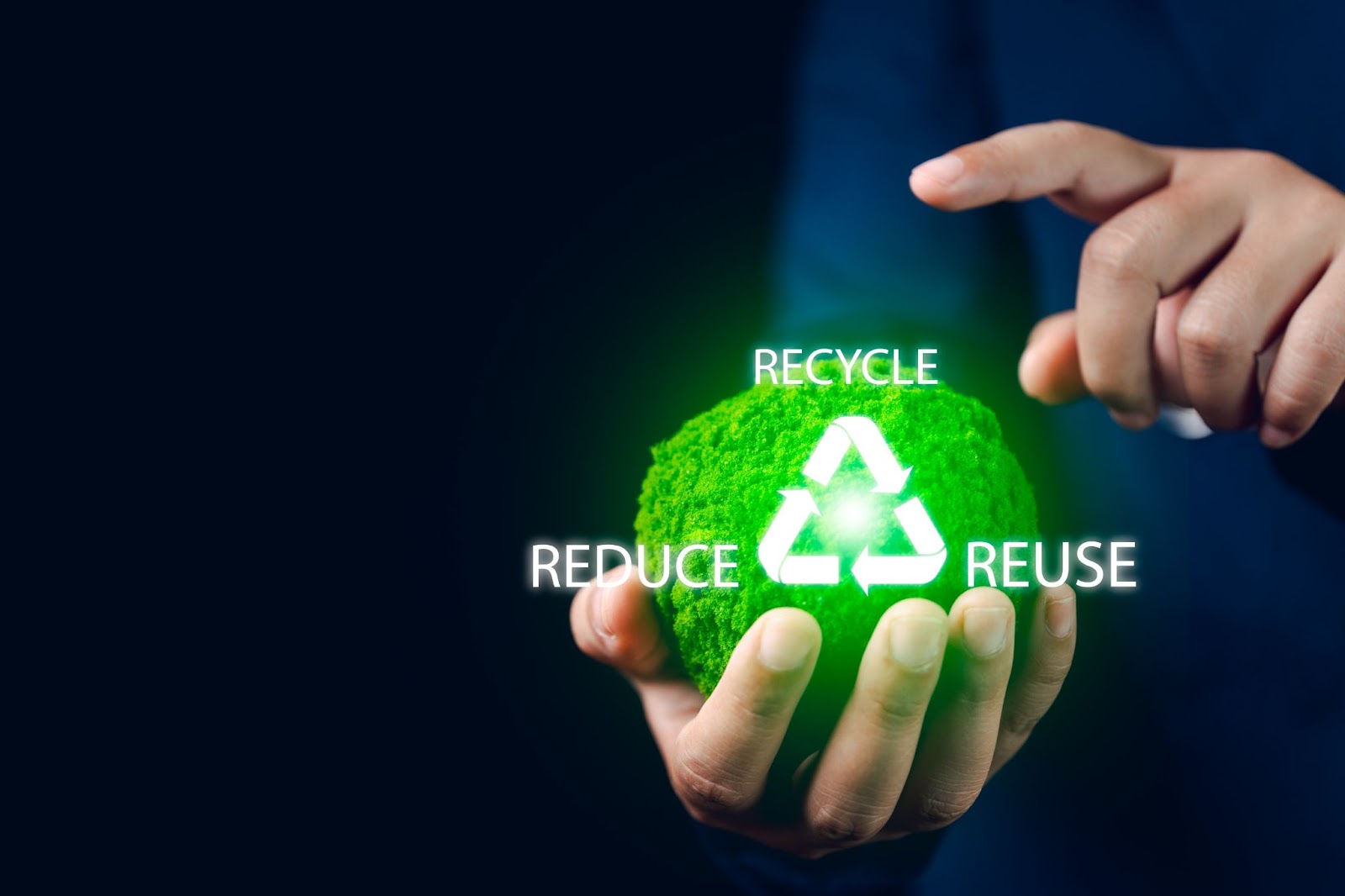
The sheer volume of waste generated by modern society presents one of the most pressing environmental challenges of our time. We are currently locked into a linear economic model—take, make, and dispose—which is unsustainable. Every year, the world generates over 2 billion tonnes of municipal solid waste, a figure projected to grow drastically without intervention. This waste places immense pressure on natural resources, clogs landfills, and releases potent greenhouse gases, thereby accelerating climate change. Building a truly sustainable future requires a paradigm shift, moving from merely managing waste to fundamentally rethinking our relationship with resources.
The Shift to a Circular Economy
The solution lies in adopting the Circular Economy, a model that aims to keep resources in use for as long as possible, extract their maximum value, and then recover and regenerate products and materials at the end of each service life. This framework prioritizes the Waste Hierarchy, moving beyond simple recycling to focus on prevention and efficiency. The most effective steps are Refuse (saying no to unnecessary items) and Reduce (minimizing consumption). Following these are Reuse (repairing and repurposing), Recycle (processing materials into new products), and finally Rot (composting organics to return nutrients to the soil). By internalizing these principles, waste ceases to be a liability and becomes a valuable input.
Global Models of Success
Several communities worldwide demonstrate that a zero-waste future is achievable through a combination of policy, technology, and community commitment. San Francisco, for instance, pioneered mandatory city-wide composting and recycling programs, diverting massive amounts of waste from landfills. In contrast, the small town of Kamikatsu, Japan, achieves its near-zero waste goal through hyper-segregation, asking residents to sort their waste into over 45 categories and fostering a community spirit centered on Reuse and repair. For technological advancement, Sweden serves as a prime example, having built an efficient Waste-to-Energy (WTE) system that burns non-recyclable residual waste to generate heat and electricity, with less than 1% of its waste ending up in landfills. These models prove that successful waste management is not one-size-fits-all, but rather a blend of behavioral change, smart policy, and resource recovery technology.
The Economic and Social Dividend
Investing in sustainable waste management offers a significant return. Economically, it creates a robust sector of “green-collar” jobs in sorting, processing, manufacturing, and maintenance. Resource recovery reduces reliance on virgin materials, stabilizes costs, and lowers supply chain risks. Socially, proper waste management directly contributes to public health by reducing disease vectors and improving air and water quality, especially in low-income areas often burdened by proximity to dumpsites. Furthermore, community-based waste initiatives, such as local composting or repair cafés, build social capital and collective responsibility. Sustainable waste management is, therefore, a crucial pillar of the Triple Bottom Line—benefiting people, planet, and profit simultaneously.
Actionable Steps for the Individual
The responsibility for change ultimately falls on every consumer. Individuals can make an immediate impact by conducting a Home Waste Audit to understand what they are throwing away and then systematically reducing the biggest offenders. This includes switching to reusable items, buying in bulk to minimize packaging, and actively seeking out products from companies committed to circular design and minimal waste. Crucially, we must move beyond simply placing items in the recycling bin and focus on upstream actions: refusing the item in the first place and reducing overall consumption. By becoming conscious consumers and meticulous stewards of resources, we move closer to a future where waste is obsolete.

WeeklyMinds.com is proud to feature an author who brings a wealth of knowledge and experience to our blog. Weekly Minds is an accomplished freelancer writer with 12 years of experience in the field.
WeeklyMinds.com has a passion for sharing insights and perspectives on political, news, technology, home improvement, interiors and many more. Their unique perspective on current affairs has been featured in numerous publications and they have been a guest speaker at college fests.
WeeklyMinds.com is also an avid interest in writing and reading and enjoys singing, music, shopping, travelling and some more. In their free time, they can often be found of reading the novels and various current topics.
We are thrilled to have Elia Scala as a contributor to WeeklyMinds and look forward to their continued insights and contributions to our blog.