

What is Health at Every Size (HAES)?
The Health at Every Size (HAES) movement advocates for a comprehensive perspective on wellness that goes beyond conventional health indicators, including weight or body size. The HAES philosophy is based on the idea of body acceptance, which says that people should love their bodies as they are instead of trying to fit in with society’s standards of thinness. This open-minded view seeks to lessen the stigma that comes with having different body types and encourages a culture of respect and positivity.
Another important part of HAES is intuitive eating. This method tells people to pay attention to their bodies’ hunger and fullness signals instead of following strict diets that could cause them to eat too much or too little. People can have a healthier and more long-lasting relationship with food if they focus on getting enough nutrition and having fun instead of counting calories. For people who have trouble with their body image, this change away from the diet mentality can be especially helpful.
People often get the wrong idea about weight and health, which makes the HAES movement less important. People often think that weight is the best way to tell if someone is healthy, but studies have shown that genetics, lifestyle, and mental health are more important. So, HAES wants people to have a broader view of health that focuses on things like exercise and eating a balanced diet instead of just losing weight.
The HAES approach started in the 1960s and 1970s as a response to the widespread culture of dieting and its negative effects on mental health. Over time, HAES has become more popular in the wellness community, appealing to many people who want a more realistic and compassionate view of health. HAES gives people the power to accept their differences on their health and wellness journey by promoting overall well-being and a sense of belonging.
The Mental Effects of Traditional Ways to Lose Weight
Traditional weight loss methods, such as dieting and cutting calories, have big effects on mental health that go beyond just the physical effects. Many people who want to lose weight go on restrictive diets that make them unhappy with their bodies. This dissatisfaction may arise from societal pressures to adhere to specific body ideals, leading to adverse self-perception and reduced self-esteem. Studies indicate that individuals who participate in weight-centric activities are more susceptible to anxiety, depression, and diminished self-esteem, highlighting the adverse effects of such methodologies on mental health.
The cycle of yo-yo dieting is another common problem that comes with traditional weight loss methods. When people lose and gain weight, they may feel like they have failed and become frustrated, which makes their mental health worse. This never-ending cycle can lead to an unhealthy obsession with weight and body image, where the goal of getting a certain number on the scale takes over other parts of health. This obsession can cause people to eat in unhealthy ways, which can make their mental health problems worse and make their relationship with food worse.
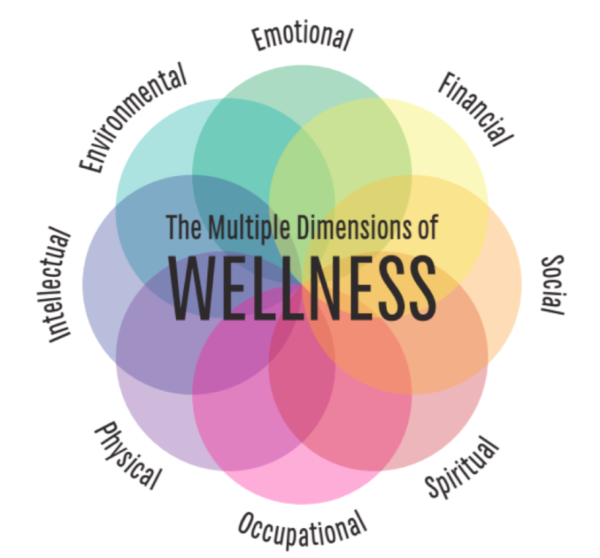
Additionally, weight stigma significantly influences the psychological consequences of conventional weight loss methods. Weight stigma is the discrimination and negative attitudes that people face because of their size. Research indicates that encountering weight stigma can result in heightened psychological stress, social isolation, and the evasion of healthcare services, ultimately affecting an individual’s overall well-being. Taking a more holistic approach to health, one that recognizes that health is made up of many different parts, can help a lot with the mental stress that often comes with weight-focused methods. Focusing on body positivity and self-acceptance can lead to better mental health and support health practices that are more sustainable and kind.
Changing the Wellness Journey: Useful Tips
Adding the ideas of Health at Every Size (HAES) to your wellness journey can be life-changing. It focuses on accepting yourself and being healthy in all areas of your life. Intuitive eating is a good place to start on this journey. It helps people pay attention to their body’s hunger and fullness signals. This method says that you should pay attention to what your body is telling you instead of following diet rules from outside sources. Mindful eating helps people have a better relationship with food, so they can enjoy meals without feeling guilty or anxious.
Another important part of a HAES-aligned wellness journey is moving in a way that makes you happy. Physical activity should be fun and help you relax, not a way to get a certain body shape or size. This idea wants to change the way people think about exercise from a chore that burns calories to a fun activity that makes life better. People can try out different types of movement, like swimming, dancing, or hiking, and pick the ones that they enjoy the most. Focusing on fun instead of duty makes a practice that can improve both physical and mental health over time.
Also, when you adopt HAES principles, it’s important to be kind to yourself. It is very important to be kind to yourself and remember that everyone’s path to health is different. Setting realistic, health-focused goals that put overall well-being ahead of weight loss goals can change how you think about things a lot. Some goals could be to make exercise a regular part of your life, try new healthy recipes, or set aside time for relaxation and self-care. People can create a supportive environment for their health journey by putting their own needs and wants first.
Using these strategies can help people find a more sustainable and satisfying way to be healthy, letting them grow beyond the focus on weight.
Community and Support: Creating a HAES-Inspired Network
The Health at Every Size (HAES) movement stresses that people of all sizes can be healthy and happy, and that having a supportive community is important for people on this journey. Finding people who share your values and beliefs can make you much more committed to HAES principles. This supportive network is a place where members can talk about their problems, share their successes, and celebrate their successes in a safe and encouraging space.
Joining online forums and social media groups that focus on HAES principles is a great way to start a HAES-inspired community. These sites can offer a lot of helpful information, such as personal stories, advice on how to take care of yourself, and conversations about body positivity. Taking part in these online communities helps people feel more connected and less alone on their health journeys. You can also start local groups based on common interests in health, like cooking classes or exercise classes that encourage body acceptance and whole-body health.
Wellness workshops are a great place for people who are interested in HAES to meet. Hosting or going to events that focus on building a healthy relationship with food, exercise, and body image can motivate people to make changes and help them connect with each other. Additionally, these workshops can create a sense of community by giving people a chance to meet new people and make stronger connections based on common goals and values.
Healthcare professionals play an important role in supporting HAES initiatives. Practitioners can make sure that their clients feel welcome and understood by creating spaces that include everyone. Healthcare providers can help people understand that health is not just about weight by using a HAES approach. Health is also about lifestyle choices and mental health. In the end, building a community based on HAES principles leads to a healthier and more positive view of well-being, no matter how big or small you are.

WeeklyMinds.com is proud to feature an author who brings a wealth of knowledge and experience to our blog. Weekly Minds is an accomplished freelancer writer with 12 years of experience in the field.
WeeklyMinds.com has a passion for sharing insights and perspectives on political, news, technology, home improvement, interiors and many more. Their unique perspective on current affairs has been featured in numerous publications and they have been a guest speaker at college fests.
WeeklyMinds.com is also an avid interest in writing and reading and enjoys singing, music, shopping, travelling and some more. In their free time, they can often be found of reading the novels and various current topics.
We are thrilled to have Elia Scala as a contributor to WeeklyMinds and look forward to their continued insights and contributions to our blog.