

Getting to Know the Basics of Digital Photography
Digital photography is a huge step forward from traditional film photography. It has many benefits in terms of convenience and flexibility. Digital photography uses electronic sensors to turn light into digital data, while film photography uses chemical processes on light-sensitive film. Because of this basic difference, you can review images right away, edit them more easily, and store thousands of pictures on one memory card.
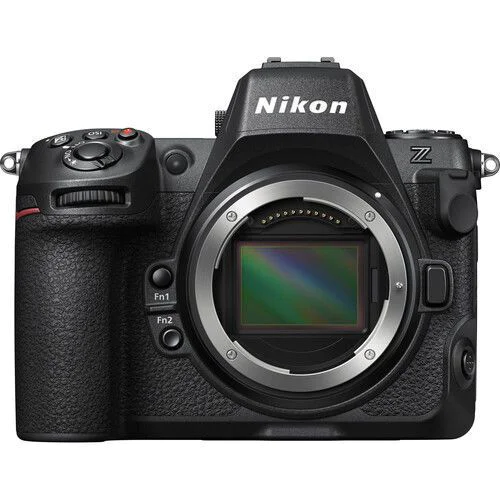
To become a great digital photographer, you need to learn about different types of cameras. Digital Single-Lens Reflex (DSLR) cameras are popular with both amateurs and professionals because they offer high image quality and a lot of manual control. Mirrorless cameras don’t have the prism system that DSLRs do, which makes them smaller but still able to take great pictures. Compact cameras are great for casual photographers who want something easy to use without giving up important features. They are often small and simple to carry around.
The camera’s sensor is another important part of digital photography that has a big impact on the quality of the pictures. The size and resolution of the sensor have a direct effect on how much detail a photo can capture. Larger sensors usually work better in low light and have a wider dynamic range, while higher resolution means that the final image will have more fine details. Photographers can choose cameras and lenses that are right for them by knowing these specifications.
In digital photography, lenses are just as important. Different kinds of lenses, like prime and zoom, change the way a picture is composed and how it looks. A prime lens has a fixed focal length, which makes images sharper and lets in more light in low-light situations. A zoom lens, on the other hand, can cover a range of focal lengths, giving you more options for framing. In the end, knowing these basic things about digital photography gives photographers the information they need to pick the right gear and take great pictures.
Important Camera Settings for Beautiful Photos
To get beautiful, well-exposed pictures with a digital camera, you need to know how to use the most important settings. Aperture, shutter speed, and ISO are the three main things that have a big effect on exposure. These parts work together in a way that makes a balanced exposure, giving photographers more control over their pictures.
The aperture is the hole in a lens that lets light through. It is measured in f-stops, like f/2.8, f/4, or f/5.6. A smaller f-stop number means a bigger opening, which lets more light hit the sensor. This setting not only changes the exposure, but it also changes the depth of field in a picture. A wider aperture makes the depth of field shallow, which makes the background beautifully blurry, which is great for portraits. On the other hand, a smaller aperture makes the depth of field deeper, which is especially helpful in landscape photography to get more details in the whole frame.
The shutter speed tells the camera’s sensor how long to let in light. It is measured in seconds or parts of a second, like 1/200s or 1s. Faster shutter speeds can freeze motion, which is great for taking pictures of people or things in action. Slower shutter speeds, on the other hand, can make motion blur, which gives pictures a sense of movement. Using a tripod is a good idea when using slow shutter speeds to keep the camera from shaking.
ISO tells you how sensitive the camera sensor is to light. A low ISO setting, like ISO 100, is best for bright conditions because it cuts down on noise but needs more light. When there isn’t much light, raising the ISO (like to ISO 1600) lets you use faster shutter speeds, but it can also add noise to the picture. Photographers can get the most out of their creativity in a variety of shooting situations by balancing these three settings. When you change the aperture, shutter speed, and ISO all at once, you can take amazing pictures that show what you see.
Making and framing your shots
The art of composition is one of the most important parts of digital photography because it has a big effect on how an image looks. Good framing can catch the viewer’s eye and make them feel something, which makes the storytelling part of photography better. Photographers who want to make interesting pictures need to know important rules like the rule of thirds, leading lines, and perspective.
The rule of thirds says that an image should be split into three equal parts, both horizontally and vertically. This makes a grid of nine sections. Putting your subject at the intersections or along these lines can often make your pictures look more balanced and interesting. This method lets photographers move away from traditional ways of centering, which makes for more interesting compositions.
Another important compositional technique is using leading lines. Lines in the frame, like roads, paths, or natural formations, can lead the viewer’s eye to the main subject or give the impression of movement. This technique adds depth and dimension to the picture, making it more interesting. Trying out different angles can make leading lines even more useful.
Also, framing is very important when it comes to perspective. Changing where you shoot from, like trying out high or low angles, can give you a new perspective on your subject and the area around it. Taking pictures of scenes from different angles helps tell a more complete story by showing how the things in the frame are related to each other.
To get better at writing, practice with things that are real. Set goals for yourself, like taking a series of photos that follow the rule of thirds, use leading lines, and change your point of view. Going over your work and asking for feedback will also help you grow and be more creative as a photographer. In the end, photographers can communicate visually in interesting and deep ways if they know how to compose and frame their shots.
Editing and finishing your photos
Editing and post-processing your photos is the next important step in digital photography after you take them. Photographers can improve their pictures’ looks and fix any flaws during this stage. Adobe Lightroom and Adobe Photoshop are the two most popular programs for this job. Both have a lot of powerful tools to help you make your photos better.
Cropping is a basic photo editing technique that can improve composition and get rid of distractions in the image. Adjusting exposure is also important because it lets you fix pictures that are too dark or too bright. You can make sure your photos look exactly like you wanted them to by fine-tuning these settings.
Color correction is another important part of editing. This process includes changing the white balance and color tones to make the image look more natural or better. Color correction can greatly improve the quality of your photos, whether you like bright colors or soft pastels. Photographers can also use retouching tools to get rid of blemishes, unwanted objects, or distractions, which makes the picture look even better.
Post-processing is very important. It turns a nice picture into a work of art that looks like it was made by a pro. Photographers of all skill levels need to know how to use the features of editing software. Online tutorials, community forums, and educational websites are all great places for beginners to get help with learning how to edit.
You will be able to make beautiful images that connect with viewers once you learn how to edit photos well. This skill will make you a better photographer and help you tell the story you want to tell with your photos.

WeeklyMinds.com is proud to feature an author who brings a wealth of knowledge and experience to our blog. Weekly Minds is an accomplished freelancer writer with 12 years of experience in the field.
WeeklyMinds.com has a passion for sharing insights and perspectives on political, news, technology, home improvement, interiors and many more. Their unique perspective on current affairs has been featured in numerous publications and they have been a guest speaker at college fests.
WeeklyMinds.com is also an avid interest in writing and reading and enjoys singing, music, shopping, travelling and some more. In their free time, they can often be found of reading the novels and various current topics.
We are thrilled to have Elia Scala as a contributor to WeeklyMinds and look forward to their continued insights and contributions to our blog.