

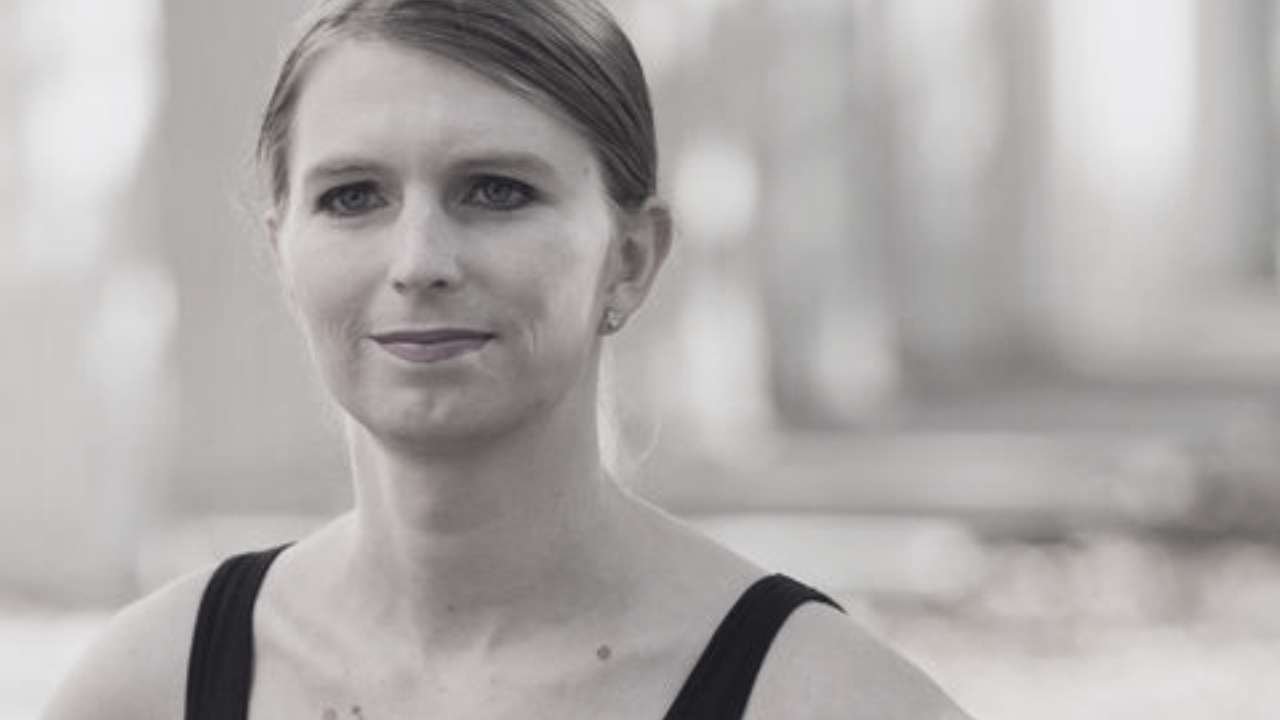

Chelsea Manning: Whistleblower, Activist, and Advocate for Transparency
Chelsea Elizabeth Manning, born Bradley Edward Manning on December 17, 1987, in Crescent, Oklahoma, is an American activist, whistleblower, and former U.S. Army intelligence analyst. She rose to international prominence in 2010 for leaking nearly 750,000 classified and sensitive military and diplomatic documents to WikiLeaks, marking one of the most extensive unauthorized disclosures of state secrets in U.S. history. Manning’s actions sparked global debates on government transparency, military ethics, and whistleblower protections. A transgender woman, she has also become a prominent voice for LGBTQ+ rights, particularly transgender healthcare access.
Early Life and Military Service
Manning grew up in a challenging environment. Her parents struggled with alcoholism, and she faced instability, including periods of homelessness after coming out as gay in her teens. Despite these difficulties, she excelled in academics and developed a strong interest in computers and technology.
In 2007, at age 19, Manning enlisted in the U.S. Army to fund her education and gain structure. She trained as an intelligence analyst and was deployed to Iraq in October 2009. Assigned to analyze data from the wars in Iraq and Afghanistan, Manning had access to classified databases. She became increasingly disturbed by what she saw, including evidence of unreported civilian deaths, detainee abuse, and incidents like the Collateral Murder video showing a U.S. helicopter attack that killed civilians and journalists.
Believing the public deserved to know about these issues, Manning downloaded hundreds of thousands of documents and uploaded them to WikiLeaks in early 2010. The leaks included diplomatic cables, war logs, and the infamous airstrike footage.
Arrest, Trial, and Imprisonment
Manning confided in hacker Adrian Lamo, who reported her to authorities. She was arrested in May 2010 and held in harsh conditions, including prolonged solitary confinement, which drew international criticism for amounting to cruel treatment.
In 2013, Manning faced a court-martial on 22 charges, including violations of the Espionage Act and aiding the enemy (a capital offense, though prosecutors did not seek the death penalty). She pleaded guilty to 10 lesser charges but was convicted on most others, acquitted only of aiding the enemy. Sentenced to 35 years in a military prison, she was dishonorably discharged.
The day after sentencing, Manning publicly announced her transgender identity, stating she had felt female since childhood and wished to be known as Chelsea. While incarcerated, she fought for and eventually received hormone therapy, becoming the first military prisoner to access gender-affirming care.
In January 2017, President Barack Obama commuted her sentence, reducing it to time served plus a few months. Manning was released in May 2017 after serving 7 years in prison.
Post-Release Life and Activism
Since her release, Manning has reinvented herself as a public speaker, writer, and technologist. She authored the memoir README.txt (2022), detailing her life, leaks, and experiences. In 2018, she ran unsuccessfully for the U.S. Senate in Maryland as a Democrat.
Manning has advocated for government transparency, prison reform, and transgender rights. She faced further legal challenges, including jail time in 2019–2020 for refusing to testify before a grand jury investigating WikiLeaks, accruing significant fines.
In recent years, Manning has worked in cybersecurity and privacy technology, including roles with privacy-focused projects. She has spoken on the implications of artificial intelligence, data surveillance, and digital rights. As of late 2025, at age 38, Manning continues to explore personal growth, having experimented with pursuits such as DJing and public speaking at tech conferences. In interviews, she has reflected on the changed information landscape, noting that massive leaks today might be dismissed amid widespread disinformation.
Manning’s legacy remains polarizing: hailed as a hero by transparency advocates and criticized as reckless by others. Her actions influenced global discussions on war, ethics, and freedom of information, cementing her place as a pivotal figure in modern whistleblowing history.

WeeklyMinds.com is proud to feature an author who brings a wealth of knowledge and experience to our blog. Weekly Minds is an accomplished freelancer writer with 12 years of experience in the field.
WeeklyMinds.com has a passion for sharing insights and perspectives on political, news, technology, home improvement, interiors and many more. Their unique perspective on current affairs has been featured in numerous publications and they have been a guest speaker at college fests.
WeeklyMinds.com is also an avid interest in writing and reading and enjoys singing, music, shopping, travelling and some more. In their free time, they can often be found of reading the novels and various current topics.
We are thrilled to have Elia Scala as a contributor to WeeklyMinds and look forward to their continued insights and contributions to our blog.