

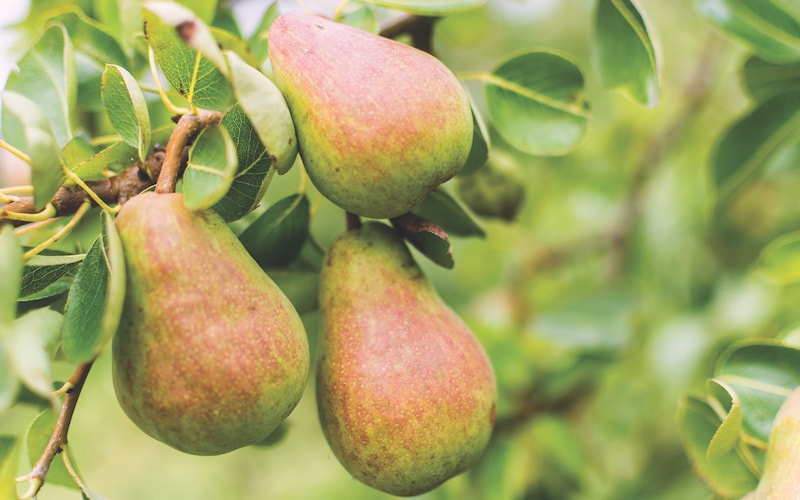
Choosing the Right Variety of Pear Tree
When embarking on the journey of pear tree cultivation, selecting the right variety is paramount. There are two primary categories of pear trees: European and Asian, each possessing unique attributes that make them suitable for different climates and uses. European pears, such as ‘Bartlett’ and ‘Bosc’, are known for their sweet, juicy fruits and are typically favored for fresh eating, canning, and cooking. These varieties prefer temperate zones and exhibit a greater chill hour requirement, making them ideal for regions with cold winters.
On the other hand, Asian pear varieties like ‘Shinko’ and ‘Twentyth Century’ are recognized for their crisp texture and refreshing flavor. They tend to have a higher tolerance for warmer climates and are generally easier to grow in areas with milder winters. The distinct characteristics of Asian pears allow them to be consumed fresh or sliced into salads, whereas their robustness also lends them well to culinary uses.
Climate compatibility is a critical factor when choosing a pear tree variety. Understanding the USDA hardiness zones in your area will help you determine the best options. For instance, if you reside in a warmer climate, Asian pears may prove to be a better fit, while colder regions might favor the European selections. Additionally, consider the designated space for growth; certain varieties can reach heights of up to 20 feet, requiring adequate room for sunlight and air circulation.
Lastly, intended use plays a significant role in your selection process. If your primary goal is fresh consumption, opt for sweet varieties; if canning or cooking is a priority, look for those that hold up well under heat. Overall, by carefully assessing these various factors, you can successfully choose a pear tree variety that aligns with your cultivation goals and environmental conditions.
Ideal Planting Conditions and Techniques
Growing pear trees successfully begins with selecting the right planting conditions, which can significantly influence their overall health and productivity. Pear trees thrive best in well-drained, fertile soil that is rich in organic matter. A pH level between 6.0 and 7.0 is typically ideal for optimal nutrient uptake. Before planting, it is advisable to amend heavy soil with compost or well-rotted manure to improve drainage capabilities and enhance fertility. Conversely, sandy soils should be amended with organic matter to preserve moisture and nutrients.
Climate is another crucial factor in cultivating pear trees. These trees flourish in temperate climates, where distinct seasons help in producing fruit. While some varieties are more tolerant of colder temperatures, most benefit from a chilling period during winter. It is also essential to ensure the chosen site receives full sun for a minimum of six hours each day, supporting robust growth and fruiting. Select a location that is shielded from strong winds, as young trees can be susceptible to damage.
When planting pear trees, proper techniques should be employed to set the trees up for success. Dig a hole that is twice as wide as the root ball but no deeper than the root system itself. This allows the roots to spread out while ensuring the tree is supported correctly. Spacing is another important consideration; standard trees should be spaced about 20 feet apart, while dwarf varieties can be planted closer together, roughly 10-15 feet apart. Water the trees thoroughly after planting to encourage settling of the soil around the roots, and consider adding a layer of mulch to retain moisture and suppress weeds.
By adhering to these ideal planting conditions and techniques, gardeners can foster a thriving environment for pear trees, ultimately leading to a plentiful harvest in the future.
Essential Care and Maintenance Practices
To ensure the successful cultivation of pear trees, ongoing care and maintenance are vital. Implementing proper watering schedules is one of the primary responsibilities of a pear tree owner. Pear trees typically require one inch of water per week, either through rainfall or supplemental watering. It is essential to provide deep irrigation during dry spells to encourage robust root development. A good practice is to water the tree at the base rather than overhead, which helps minimize leaf diseases.
Fertilization is another critical aspect of pear tree care. A balanced fertilizer, rich in nitrogen, phosphorus, and potassium, should be applied in early spring as new growth begins. Organic options, such as compost or well-rotted manure, can also provide the necessary nutrients while enhancing soil structure. Regular soil testing can assist in identifying specific nutrient deficiencies, allowing for more targeted fertilization strategies.
Pruning is an effective technique for promoting growth and fruit yield in pear trees. Late winter or early spring is the ideal time for this. Removing dead or crowded branches improves airflow and sunlight penetration, which are crucial for healthy growth. Maintaining a central leader shape can also be beneficial, as this structure supports better fruit production.
Pest management is essential to maintain tree health, as several insects and diseases can afflict pear trees. Regular inspections for signs of pests, such as aphids or fruit tree borers, should be conducted. Employing integrated pest management strategies, including the introduction of beneficial insects, can help keep pest populations in check. Additionally, being aware of common diseases, such as fire blight and powdery mildew, allows for prompt intervention. Using resistant pear varieties and practicing proper sanitation measures in the garden can also prevent these issues.
In conclusion, diligent care and maintenance practices, including appropriate watering, fertilizing, pruning, and pest management, are essential for cultivating healthy pear trees. By adhering to these guidelines, homeowners can enjoy a fruitful harvest.
Harvesting and Enjoying Your Pears
Harvesting pears at the right time is crucial to ensuring optimum flavor and texture. Unlike many fruits, pears ripen best off the tree. Therefore, the ideal moment for harvesting is when the pears reach their mature size and start to show signs of change in color. For most varieties, such as Bartlett or Anjou, the fruit should be harvested when they begin to soften slightly at the neck, near the stem. It’s essential to gently twist the pear while lifting it; if it comes off easily, the fruit is ready for picking.
After the harvest, proper storage is key to prolonging freshness. Pears should be kept at room temperature initially until they reach the desired ripeness. Once ripe, they can be refrigerated to slow down the ripening process and extend their shelf life. It is advisable to place them in a perforated plastic bag or a crisper drawer to maintain humidity, thus preventing them from drying out. Regular checking is necessary to monitor for any overripened or spoiled fruit, which could affect the others.
Pears boast culinary versatility, making them an excellent addition to various dishes. They can be enjoyed fresh, sliced into salads, or paired with cheeses for a delightful appetizer. For those looking to preserve their bountiful harvest, methods such as canning, freezing, or making homemade jams and jellies come highly recommended. Traditional recipes like pear cobbler or poached pears in wine offer delightful ways to savor this lush fruit. Furthermore, dehydrating pears provides a nutritious snack option, allowing the enjoyment of homegrown pears year-round.