

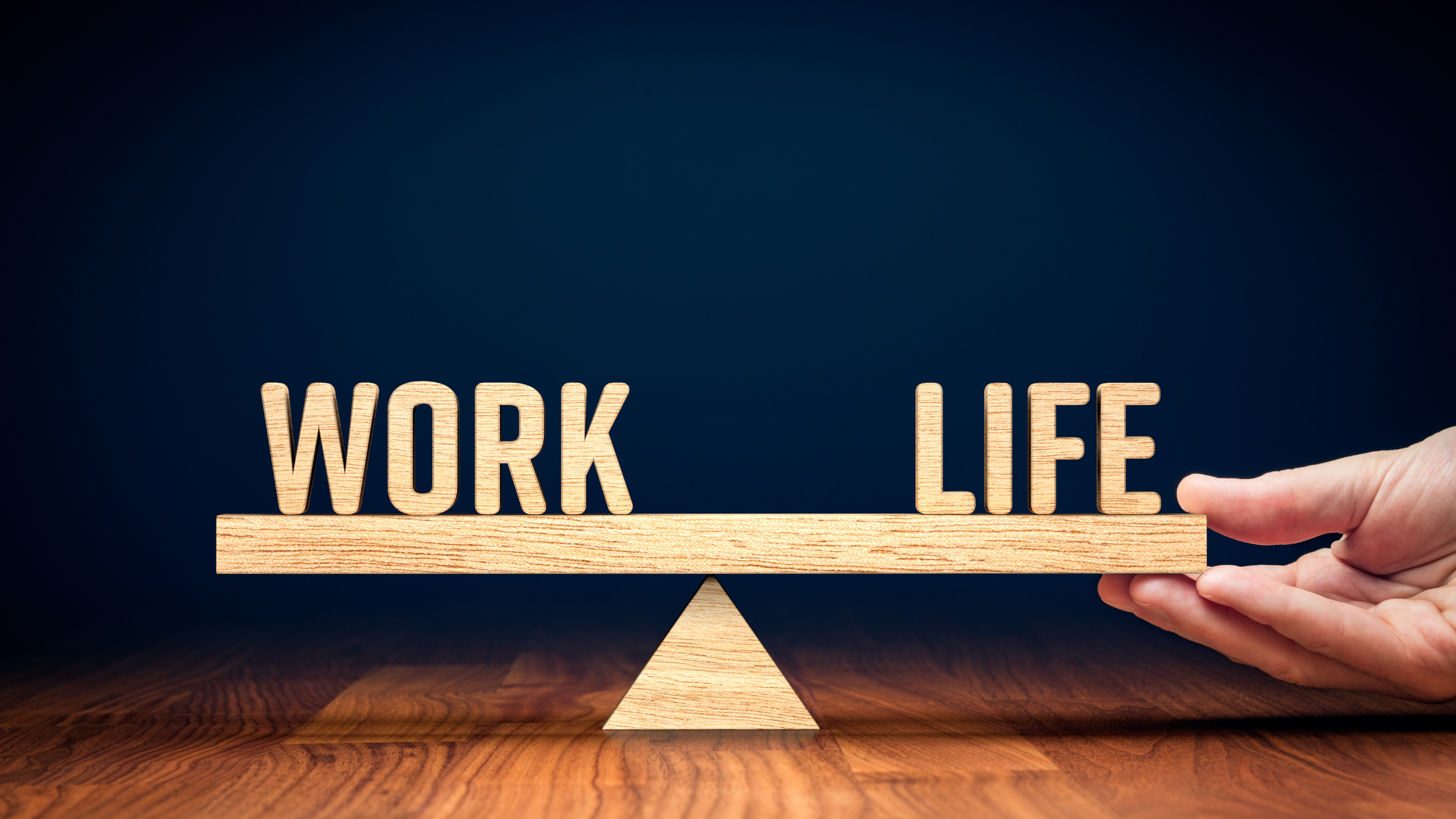
The lines between work and personal life have become less clear in today’s world, where everything is connected. People used to work from 9 to 5, but now they can work whenever they want. For example, emails buzz on smartphones at dinner tables, and weekend “quick check-ins” can turn into hours of work. But it is still possible and necessary for long-term success and health to find a good balance between work and life.
A good work-life balance doesn’t mean having the same amount of time for work and personal life. Instead, it’s about setting boundaries that are long-lasting and help you do well at work while still having strong relationships, staying healthy, and finding happiness in your life. Everyone’s idea of this balance is different, and it may change as they go through different stages of life and work.
Knowing What’s at Stake
A bad work-life balance can have effects that go far beyond just being tired. Burnout is a state of physical, emotional, and mental exhaustion that can take months or years to recover from. It happens when you work too much all the time. Studies have consistently shown that workers who don’t have a good work-life balance are more likely to have anxiety, depression, and heart disease. Relationships suffer, creativity goes down, and ironically, work performance often goes down even though people work longer hours.
On the other hand, people who set healthy boundaries tend to be more productive, creative, and involved at work and at home. They say they are happier with their jobs, have better relationships, and are healthier. More and more businesses are realizing that workers who have a good work-life balance are more loyal, miss fewer days of work due to illness, and help create a better workplace culture.
Ways to Get Better Balance
To achieve a sustainable work-life balance, you need to put in effort and plan ahead. Set clear limits on your work time as a first step. If you work from home, this could mean turning off work notifications after a certain hour, setting aside certain days as completely work-free, or making sure your work and living spaces are not in the same place.
Managing your time becomes very important. Use tools like the Eisenhower Matrix to help you decide which tasks are most important and urgent. During your most energetic times, focus on the most important tasks and learn to delegate or get rid of the less important ones. Keep in mind that being busy doesn’t mean you’re getting things done.
For work-life balance, technology can be both good and bad. Set up email filters, schedule messages for the right times, and use productivity apps that help you stay focused to make the most of it. But don’t let technology run your life. Think about taking breaks from technology or using apps that limit your screen time during personal time.
How to Say No
Learning how to say no nicely is one of the best ways to keep your work-life balance. This is true for both work and personal requests. Before you take on a new responsibility, think about whether it fits with your current goals and priorities. Keep in mind that saying yes to one thing means saying no to another.
Be honest but polite when you say no to requests. You could say, “Thanks for thinking of me for this project, but I can’t take on any more work right now.” Offering options, like suggesting someone else who might be available, can help you keep your relationships while still keeping your distance.
Work Arrangements That Are Flexible
The pandemic sped up the use of flexible work arrangements. Now, many companies let employees work from home, have flexible hours, or work fewer days a week. If your boss gives you these choices, think about how they might help you reach your goals for work-life balance. But keep in mind that being flexible means being disciplined enough to keep work and personal time separate.
If you work from home, set up a separate workspace and stick to a schedule. Even when you’re working from home, you should dress for work, take proper lunch breaks, and have a clear end-of-workday routine. These rituals help your brain switch from work to personal mode.
Self-Care as a Base
You can’t have a good work-life balance if you don’t take care of yourself. This means taking care of your body by exercising regularly, getting enough sleep, and eating healthy foods. Mental health is just as important as physical health. You need to do things that help you relax and recharge, like meditating, doing hobbies, spending time with friends, or even just reading a book. Don’t think of self-care as something you can skip or that is selfish. You can’t expect to do your best if you don’t take care of yourself, just like you can’t expect a car to run without regular maintenance. Make time for self-care activities just like you would for any other important meeting.
Systems for communication and support
It’s important to talk openly with your boss, coworkers, family, and friends about what you need to balance your work and personal life. Unclear expectations are the cause of many workplace problems with boundaries. Talk about your availability, preferred ways to communicate, and any limits you may have ahead of time.
At work and at home, make sure you have a strong support system. This could mean finding a mentor who shows you how to balance work and life, joining or starting peer support groups, or making sure you have friends and family who respect your boundaries.
Taking care of the guilt
A lot of people feel guilty when they try to find a balance between work and life because they think they’re letting other people down or not working hard enough. This guilt is often not necessary. Keeping yourself healthy will help you do better in all areas of your life. A family member or employee who is burned out doesn’t help anyone.
Change the way you think about work-life balance from a luxury to something you need to keep doing well. Like athletes need days off to stay at their best, knowledge workers need time off to keep their creativity and decision-making skills sharp.
Getting used to changes in life
Work-life balance isn’t a goal; it’s something that needs to be changed on a regular basis. Life changes, work changes, and personal priorities change. When you were in your twenties, things that worked then might not work now that you have young kids, aging parents, or different career goals.
Check your balance often and be open to making changes. This could mean changing your job duties, making changes to your personal commitments, or getting extra help when things get really tough.
The Big Picture
In the end, finding a balance between work and life is about making a life that feels real and lasting to you. It’s about being there for everything you do, whether it’s focusing on a work project or being fully present with your family at dinner.
The goal isn’t to be perfect, but to feel like you’re spending your time and energy in ways that are in line with your values and long-term goals. Some days will be busier with work, while others will be more focused on your personal life. But over time, you should feel like you’re taking care of all the important parts of your life.
Finding a balance between work and life is not a one-size-fits-all solution; it is a personal journey that needs to be worked on and changed over time. You can live well in a way that lasts by setting clear limits, managing your time well, letting people know what you need, and putting your own health first. Keep in mind that finding balance doesn’t mean working less or caring less about your job. It means working smarter and living with more purpose. The time and money you spend on finding a balance between work and life will pay off in your health, relationships, and long-term career success.

WeeklyMinds.com is proud to feature an author who brings a wealth of knowledge and experience to our blog. Weekly Minds is an accomplished freelancer writer with 12 years of experience in the field.
WeeklyMinds.com has a passion for sharing insights and perspectives on political, news, technology, home improvement, interiors and many more. Their unique perspective on current affairs has been featured in numerous publications and they have been a guest speaker at college fests.
WeeklyMinds.com is also an avid interest in writing and reading and enjoys singing, music, shopping, travelling and some more. In their free time, they can often be found of reading the novels and various current topics.
We are thrilled to have Elia Scala as a contributor to WeeklyMinds and look forward to their continued insights and contributions to our blog.