

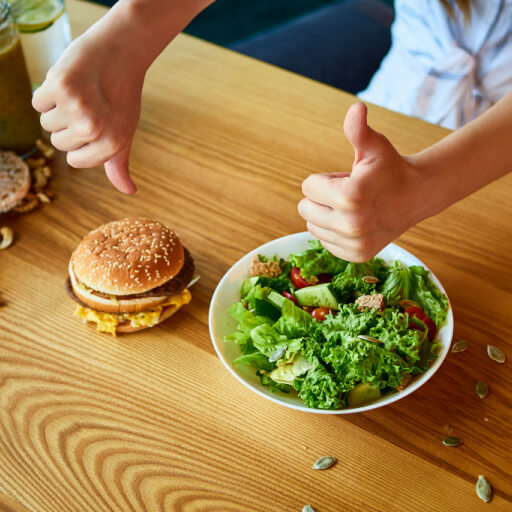
Today’s world moves fast and is filled with processed foods lining supermarket aisles and dinner tables. Marketed as easy and delicious, these products offer fast meals but come at a hidden price to your body. One of the greatest steps you can take toward long-term health, steady energy, clear thinking and disease prevention is to avoid processed foods. This guide tells you what processed foods are, why they are bad for you and exactly how to get rid of them and replace them with colorful, nutrient-dense, whole foods that will nourish every cell. By the end of this article you’ll have a clear, practical roadmap to transform your plate and your life.
What Are Processed Foods, Anyway?
Processed foods are foods that have been altered from their natural state, whether by cooking, canning, freezing, or adding ingredients. Nutrition scientists classify them with the NOVA classification system. Group 1 includes unprocessed or minimally processed foods such as fresh fruits, vegetables, whole grains, eggs and plain meats that are washed, cut or pasteurized. Group 2: Processed culinary ingredients, including oils, butter, sugar and salt, used in home cooking Group 3 includes processed foods that contain few additives, such as canned vegetables in brine, cheese or freshly baked bread. Group 4, ultra-processed foods, is the real danger. These industrial concoctions mix cheap ingredients with additives, emulsifiers, colourings, flavour enhancers and preservatives to create hyper-palatable, long-shelf-life products. Think sugar-laden breakfast cereals, snack foods, frozen pizzas, sodas, instant noodles and ‘diet’ bars. Today, more than 50% of our calories come from ultra-processed foods, a stark contrast to the whole-foods-based diets of the past.
The Unseen Health Dangers of Ultra-Processed Foods
Ultra-processed foods are designed to trick your body’s natural hunger signals. Refined sugars, unhealthy fats and salt in high levels prepare you for rapid blood-sugar spikes and subsequent crashes, leaving you tired and wanting more. Research consistently associates high consumption with obesity, where every 10% rise in ultra-processed food calories is about a 10% increase in obesity risk. Too much sodium and trans fats can damage blood vessels, which can raise blood pressure and risk of heart disease. Synthetic additives and emulsifiers upset the gut microbiome, killing off beneficial bacteria that support immunity and digestion. This causes chronic inflammation, which leads to joint pain, fatigue and accelerated aging in the body. Studies link ultra-processed diets to higher rates of type 2 diabetes, some cancers (especially colorectal), depression and cognitive decline. Additives made for shelf life and texture can irritate the intestinal lining causing leaky gut and food sensitivities. Children are especially vulnerable. Nutrient-poor calories that crowd out the vitamins and minerals necessary for growth damage developing brains and bodies.
Why Whole Foods Feed You Better –
Whole foods come in nature’s perfect package. An apple has fiber, polyphenols and water that slow sugar absorption and feed gut bacteria. A handful of almonds contains healthy fats, protein, vitamin E and magnesium in ratios your body recognizes. “Every system improves when you eat mostly plants, good proteins and healthy fats. Fiber pulls cholesterol out of your arteries and stabilizes blood sugar. Antioxidants combat free radicals that harm DNA. Protein is good for muscles and fills you up for hours. Healthy fats help make hormones and keep your brain in good shape. What you get is steady energy without the afternoon slump, better sleep, brighter skin, stronger hair and nails and a more resilient immune system. Many report less bloating in days and clearer thinking in weeks as the brain gets a steady fuel source instead of inflammatory spikes.
The Amazing Benefits of Avoiding Processed Foods
“People are having life-changing results when they switch to whole foods. Nutrient-dense meals keep you satisfied longer without calorie counting, and weight naturally normalizes. Blood pressure usually drops 10-15 points in months. Blood sugar levels stabilize and sometimes prediabetes is reversed. The gut microbiome restores and digestion is regular and comfortable. Less inflammation, better nutrient supply to the brain, mental health gets better, less anxiety, more mood stability. Skin clears, acne clears, chronic inflammatory markers like CRP fall. In the long run, you lower your lifetime risk of heart disease, stroke, dementia and many cancers. For instance, medical costs tend to decrease and grocery expenses tend to fall once you quit purchasing pricey packaged “health” foods. Environmentally you cut down on plastic waste and support sustainable farming The most rewarding part may be the sense of empowerment. Food becomes medicine and not something that you feel guilty or tired about.
How to Spot and Avoid Processed Foods
Become a label sleuth. Turn the packages over and look at the list of ingredients. More than five ingredients? Or ones you cannot pronounce or imagine in nature? Put it back. Look for high fructose corn syrup, hydrogenated or partially hydrogenated oils, artificial colors (Red 40, Yellow 5), artificial flavors, monosodium glutamate (MSG), sodium benzoate, and “natural flavors” that disguise dozens of chemicals. Sugar lurks under many names: dextrose, maltodextrin, cane juice, agave nectar. Even products labeled “organic,” “gluten-free,” or “low-fat” can be ultra-processed. Shop the perimeter of the store — produce section, meat counter, dairy case (choose plain yogurt and milk), and bulk bins for oats, beans, nuts and seeds. Forget about the boxes and bags in the interior aisles. When in doubt, ask, “Did this grow from a plant or did it come from a plant?”
Practical Strategies for a Successful Transition
Go slow so you don’t overwhelm yourself. Swap out one processed meal or snack a day Roast a tray of veggies, make a big pot of beans or lentils, grill chicken or bake fish, and put into glass containers. Batch-cook on weekends. Keep your kitchen stocked with staples – onions, garlic, lemons, olive oil, spices, frozen berries, and whole grains. Learn 5 easy recipes you love: stir-fries, sheet-pan dinners, big salads, overnight oats, and soups. When hunger strikes, grab fruit, a handful of nuts, carrot sticks and hummus or plain Greek yogurt with cinnamon. Avoid creamy dressings; instead choose foods that are grilled, steamed, or drizzled with olive oil and lemon. Bring a beautiful fruit platter or veggie tray to parties so you always have safe options. After two or three weeks your taste buds adjust: sweetened cereals taste sickeningly artificial, and fresh strawberries taste so intensely sweet. blood sugar stabilizes. cravings disappear.
Tasty Whole Food Substitutions
Try overnight oats instead of sugary cereal: mix rolled oats, chia seeds, almond milk and cinnamon. Top with fresh berries and a spoonful of almond butter. Replace chips with crunchy roasted chickpeas or kale chips in olive oil and sea salt. Switch out soda for sparkling water infused with cucumber, mint and lime or homemade kombucha. Make whole-wheat pita pizzas topped with tomato sauce, fresh mozzarella and vegetables instead of frozen pizza. Homemade Energy Bites Turn breakfast bars into homemade energy bites: Combine dates, oats, nuts and cocoa powder, roll into balls and refrigerate. And simple olive oil, balsamic vinegar, Dijon mustard and herbs shaken up in a jar, replace packaged salad dressings. When you factor in the health savings, these swaps taste better and cost less.
Sample Day of Whole Foods Eating
Breakfast: Two scrambled eggs with spinach and tomatoes, one slice of sprouted-grain toast with avocado, and a bowl of fresh berries. Mid-morning: Apple slices with a small handful of walnuts. Lunch: Big salad of mixed greens, grilled chicken or chickpeas, cucumber, bell peppers, cherry tomatoes, olives, and olive-oil-lemon dressing; side of quinoa. Afternoon: Carrot sticks, plain yogurt sprinkled with cinnamon. Dinner Idea: Baked salmon with roasted broccoli and sweet potato topped with fresh herbs. Evening: Herbal tea & a few squares of dark chocolate (85% or higher cacao).
This pattern provides steady energy, plenty of nutrients and deep satisfaction—and it doesn’t rely on processed ingredients.
Meeting Challenges and Staying Consistent
Biggest objection is time pressure. Beat it by preparing parts once and assembling quickly. Cost is not a factor if you buy seasonal foods, bulk dry goods and frozen plain vegetables and fruits (minimally processed foods that still retain nutrients). Concentrate on conversation . Bring a dish everyone likes . Makes social situations easier . When kids are exposed to colorful whole foods and get to help with cooking, they adapt very quickly. If slip-ups happen, and they will, just go back to whole foods at the next meal without guilt. Progress, not perfection, is how real change comes.
The Science of Change, and Lasting Rewards
Gut bacteria change over to good guys within days. Markers of inflammation fall and energy rises within weeks. Within months weight stabilizes, skin glows and labs improve. Large-scale studies have shown much lower rates of chronic disease and longer, healthier lives for populations eating mostly whole foods. Your genes like to be in nutrient-rich environments and will turn on protective pathways and turn off disease-promoting pathways. The investment pays off for decades.
Summary
The goal is not restriction but abundance, and avoiding processed foods. You get vibrant energy, mental clarity, protection from disease and the quiet confidence that every bite you take is nourishing your future self. A simple swap to kick off today. Make one more meal from scratch this week. Your body will thank you for it, and you will soon be wondering how you ever tolerated the artificial taste and sluggish feeling of processed foods. One whole-food meal at a time, the road to optimal health is delicious, satisfying and totally attainable. Start today and watch your health transform.

WeeklyMinds.com is proud to feature an author who brings a wealth of knowledge and experience to our blog. Weekly Minds is an accomplished freelancer writer with 12 years of experience in the field.
WeeklyMinds.com has a passion for sharing insights and perspectives on political, news, technology, home improvement, interiors and many more. Their unique perspective on current affairs has been featured in numerous publications and they have been a guest speaker at college fests.
WeeklyMinds.com is also an avid interest in writing and reading and enjoys singing, music, shopping, travelling and some more. In their free time, they can often be found of reading the novels and various current topics.
We are thrilled to have Elia Scala as a contributor to WeeklyMinds and look forward to their continued insights and contributions to our blog.