

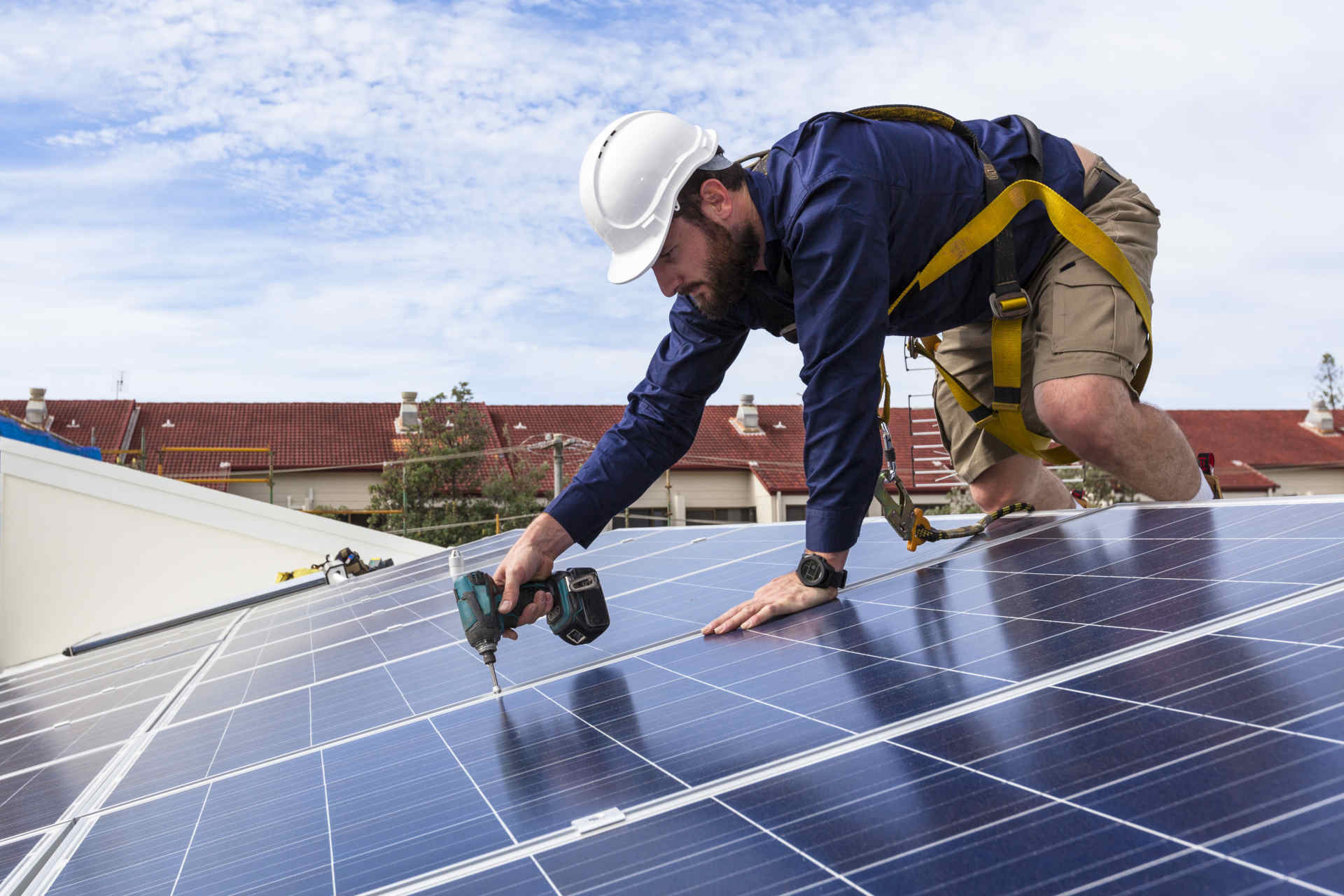
The solar energy revolution continues to gain momentum in 2025, with technological advances, improved incentives, and growing environmental awareness making solar panels more attractive than ever. Whether you’re a homeowner looking to reduce electricity bills or a business owner seeking sustainable solutions, understanding the benefits of solar installation can help you make an informed decision.
Financial Benefits
Significant Energy Cost Savings
One of the most compelling reasons to install solar panels is the dramatic reduction in electricity bills. With utility rates continuing to climb, solar panels allow you to generate your own power and potentially eliminate most or all of your monthly electricity costs. Most homeowners see a return on investment within 6-10 years, after which the electricity generated is essentially free.
Increased Property Value
Solar panels are now recognized as a valuable home improvement that increases property value. Studies have consistently shown that homes equipped with solar energy systems sell faster and at higher prices than comparable homes without solar. Buyers increasingly view solar installations as premium upgrades that offer long-term financial benefits.
Federal and State Incentives
The federal Investment Tax Credit (ITC) remains available in 2025, allowing homeowners to deduct a significant percentage of their solar installation costs from their federal taxes. Many states also offer additional rebates, tax credits, and performance-based incentives that can further reduce the upfront cost of going solar.
Protection Against Rising Energy Costs
By generating your own electricity, you create a hedge against unpredictable utility rate increases. This price stability provides financial predictability and protection from inflation in energy costs over the 25-30 year lifespan of your solar system.
Environmental Benefits
Reduced Carbon Footprint
Solar panels produce clean, renewable energy that significantly reduces your household’s carbon emissions. A typical residential solar system can offset approximately 3-4 tons of carbon dioxide annually—equivalent to planting over 100 trees each year.
Decreased Reliance on Fossil Fuels
Every kilowatt-hour of solar energy generated reduces the demand for electricity from fossil fuel sources like coal and natural gas. This shift helps decrease air pollution, water contamination, and the environmental degradation associated with traditional energy production.
Contribution to a Sustainable Future
By adopting solar energy, you become part of the global movement toward renewable energy and climate change mitigation. Individual actions collectively create significant environmental impact and help drive the transition to a sustainable energy economy.
Technological Advancements in 2025
Improved Efficiency
Modern solar panels in 2025 offer significantly higher efficiency ratings than earlier generations. Today’s panels convert more sunlight into electricity, meaning you can generate more power with fewer panels and less roof space.
Enhanced Durability
Current solar technology features improved weather resistance, with panels designed to withstand extreme conditions including hail, high winds, and heavy snow loads. Most manufacturers now offer warranties of 25 years or more, reflecting confidence in panel longevity.
Smart Energy Management
Integration with smart home systems and battery storage has become seamless in 2025. Advanced monitoring apps allow you to track energy production and consumption in real-time, optimize usage patterns, and maximize your solar investment.
Battery Storage Options
The declining cost and improved performance of battery storage systems make energy independence more achievable. Modern batteries allow you to store excess solar energy for use during nighttime or cloudy days, and provide backup power during grid outages.
Energy Independence
Grid Independence
Solar panels with battery storage can provide significant or complete independence from the electrical grid. This autonomy protects you from power outages and gives you control over your energy supply.
Net Metering Benefits
Many utilities offer net metering programs that credit you for excess electricity your solar panels send back to the grid. These credits can offset electricity costs during periods when your panels aren’t producing enough power, such as at night.
Low Maintenance Requirements
Solar panel systems require minimal maintenance, typically needing only occasional cleaning and annual inspections. With no moving parts, there’s little that can break or wear out, making solar one of the most hassle-free home improvements you can make.
Considerations Before Installation
Roof Suitability
Assess your roof’s age, condition, orientation, and shading. South-facing roofs with minimal shade provide optimal solar production, but east and west-facing installations can also be effective.
Local Regulations and HOA Rules
Research local building codes, permit requirements, and any homeowners association restrictions before proceeding with installation. Most areas have streamlined solar permitting processes in 2025.
System Sizing
Work with qualified installers to determine the appropriate system size based on your energy consumption patterns, roof space, and budget. Oversizing or undersizing can impact your return on investment.
Financing Options
Explore various financing methods including cash purchases, solar loans, leases, and power purchase agreements (PPAs). Each option has different financial implications and benefits.
The Bottom Line
Installing solar panels in 2025 represents a smart investment that delivers financial savings, environmental benefits, and energy independence. With technology continuing to improve and costs remaining competitive, there has never been a better time to harness the power of the sun. While the upfront investment requires careful consideration, the long-term benefits—both for your wallet and the planet—make solar energy an increasingly compelling choice for forward-thinking homeowners and businesses.
As the world continues its transition to renewable energy, early adopters of solar technology position themselves to reap maximum benefits while contributing to a cleaner, more sustainable future for generations to come.

WeeklyMinds.com is proud to feature an author who brings a wealth of knowledge and experience to our blog. Weekly Minds is an accomplished freelancer writer with 12 years of experience in the field.
WeeklyMinds.com has a passion for sharing insights and perspectives on political, news, technology, home improvement, interiors and many more. Their unique perspective on current affairs has been featured in numerous publications and they have been a guest speaker at college fests.
WeeklyMinds.com is also an avid interest in writing and reading and enjoys singing, music, shopping, travelling and some more. In their free time, they can often be found of reading the novels and various current topics.
We are thrilled to have Elia Scala as a contributor to WeeklyMinds and look forward to their continued insights and contributions to our blog.