

New standard for run-and-gun pros:
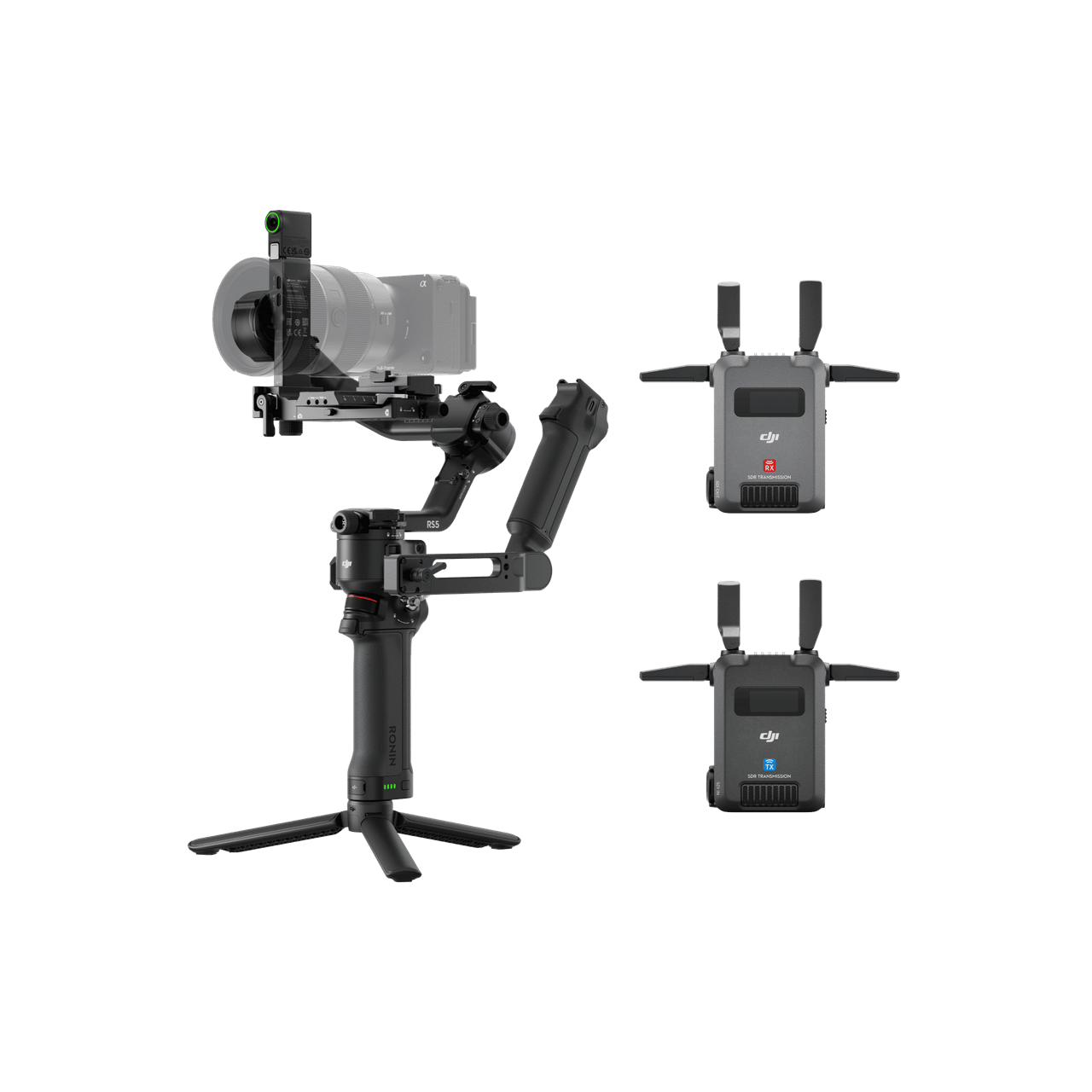
The RS 5 is a clear improvement in small, professional stabilizers. It’s made for filmmakers who want smoothness like in a movie without the weight of a bigger rig. It has a lightweight frame and a surprisingly wide payload range. It also has modern features like a touchscreen, smarter tracking, and faster charging that make it great for solo operators and small crews.
Make it light, lockable, and useful.
The RS 5 weighs only 1.46 kg (3.22 lb) with the quick-release plates and grip, but it can carry 3 kg (6.6 lb), which is enough for most mirrorless camera setups with a fast lens and small monitor. The form factor has second-generation automated axis locks and a better briefcase-style handle for shooting in low and briefcase mode. Those changes make setup faster and lessens the wear on delicate balancing adjustments when working in the field.
5th-Gen algorithm and a smarter Z-axis for stabilization
The RS 5’s main feature is stability. DJI’s fifth-generation RS stabilization algorithm is set up to smooth out walking, running, and vertical shooting while keeping intentional camera moves. A new Z-axis indicator helps operators fix walking motion and better predict micro-shakes that regular gimbals miss. Together, these software and small hardware upgrades make the RS 5 much better at keeping the horizon steady during dynamic shots.
Tracking and automation: magnetic modules and touchscreen control
The RS Enhanced Intelligent Tracking Module is one of the most useful updates. It attaches magnetically and can detect people, animals, and vehicles up to about 10 meters away. It can also find subjects that leave and come back into the frame. The RS 5’s fixed OLED touchscreen lets you start and stop tracking and change framing on the fly, so you don’t need a phone or a tethered monitor. This makes on-location shoots much more productive.
Battery life and charging: long-lasting without any problems
The RS 5’s battery life is great for a gimbal of this size. The standard grip lasts about 14 hours on a charge and can be charged in about an hour with a 65 W PD charger. An optional high-capacity BG70 grip can add about 30 hours of runtime for longer shoots. Fast charging and long battery life mean fewer interruptions and allow one person to do full-day jobs without having to switch power systems all the time.
Cameras, lenses, and accessories that work together and make things easier
The RS 5 is best for modern mirrorless systems, but it works with more than just Sony, Canon, and Nikon cameras. Some models also work with Panasonic and Fujifilm cameras. This makes it easier to control start/stop, exposure, and focus through on-gimbal interfaces on compatible cameras. The payload ceiling and mounting system also make it easy to add small monitors, follow-focus motors, and wireless transmitters without throwing off the balance. This is a big plus for hybrid shooters who switch between run-and-gun and more planned setups.
What reviewers said about how it worked in the field
According to independent reviewers who tested the RS 5, the gimbal smooths out motion better than many older Ronin models and feels more refined when you’re moving quickly, like when you’re running or panning quickly. Reviewers say that the better tracking, the comfortable handle on the briefcase, and the quickness of the automated locks and balancing are all things that really save time on every setup. Over the course of a shoot day, that adds up. That being said, some professionals will still choose the beefier RS 4 Pro or RS 3 Pro setups for heavier cinema lenses or productions with more than one operator.
Accessories and the ecosystem: modularity is important
DJI still uses a modular accessory system. Magnetic modules, a separate electronic control handle, and better quick-release plates let you put together the exact setup you need. Because the RS 5 works with the whole Ronin ecosystem, from focus motors to image transmitters, it fits right in with existing kits and workflows. This can save rental houses and production teams money and time spent training.
Who should get it? use cases and value proposition
The RS 5 is best for solo shooters, wedding videographers, indie filmmakers, and corporate videographers who need to be able to move around easily and set up quickly without losing professional stabilization. If you often use heavy cinema lenses or need studio rigs and multi-camera broadcasting features, a Ronin model with more storage space might be a better choice. But for most common professional uses, the RS 5 is the best choice because it is portable, has good technology, and is not too expensive.
Price, availability, and notes for each region
Prices and availability depend on the market and the SKU (standard vs. combo). The RS 5 is being released in a lot of places with either a standalone body or a combo that comes with the tracking module and other accessories. Keep in mind that rules and trade issues have made some products hard to find in some countries. For the most up-to-date information, check with local stores or the manufacturer’s official website.
Conclusion: a modern workhorse for telling stories on the go
The RS 5 is a stylish upgrade to the Ronin line. It’s lighter, easier to use, has better tracking, and lasts longer on a charge. It doesn’t take the place of bigger, cinema-grade stabilizers that are needed for heavy lenses and raw payloads, but for everyday professional video work, it has a lot of useful tools that help creators work faster and get cleaner shots with less trouble. The RS 5 is worth a close look if you want something that is fast, smartly automated, and small.