

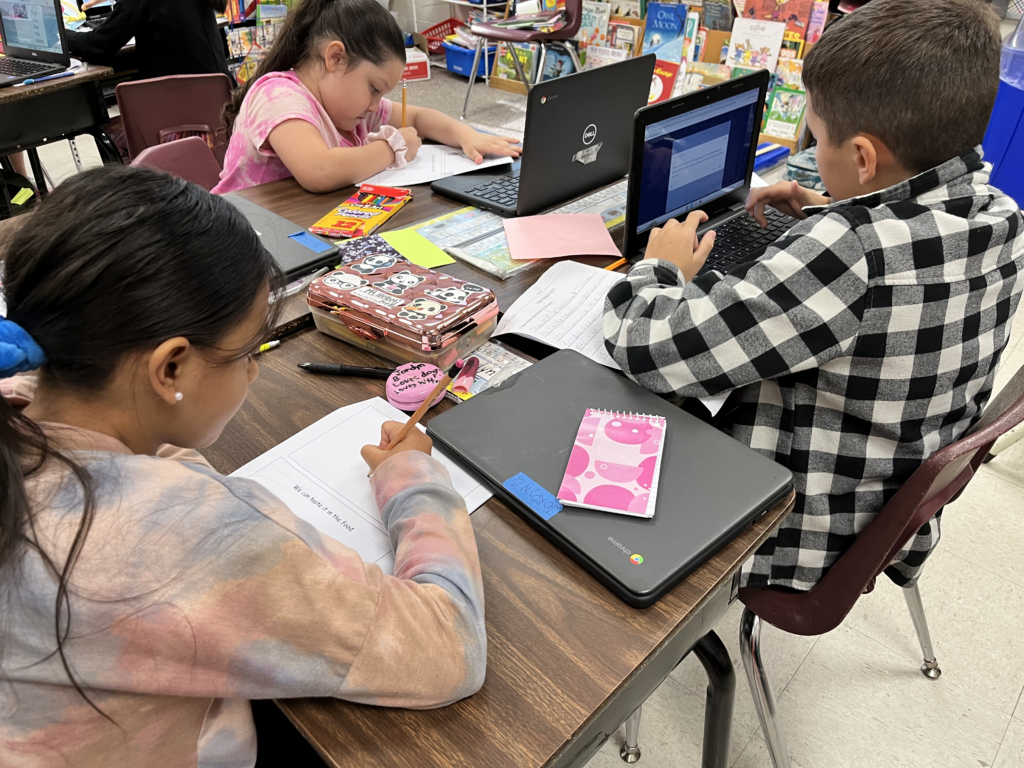
Why multimedia is important in school
In today’s schools, using multimedia resources like YouTube videos and movies has become an important part of effective teaching and learning. Adding visual and auditory content to the classroom not only keeps students interested, but it also helps them understand and remember important ideas much better. Studies show that students learn and remember things better when they are shown through a mix of pictures, sounds, and interactive elements.
One of the main benefits of using multimedia in the classroom is that it can help students with different learning styles. Gardner’s Theory of Multiple Intelligences says that students have different kinds of intelligence, like linguistic, logical-mathematical, spatial, and bodily-kinesthetic. Teachers can use YouTube videos and movies to give students content that appeals to a wider range of these intelligences. This lets students learn in a way that works best for them. For example, diagrams and videos help visual learners, while films that have dialogue and sound effects work better for auditory learners.
Using multimedia in the classroom can also make students more interested and motivated. Because digital technology is so common in everyday life, students are becoming more used to consuming content in different formats. Teachers can use platforms like YouTube to take advantage of this familiarity, which makes learning more interesting and useful. Many studies back up this claim by showing that students are more interested and willing to participate when they are given lessons that include multimedia.
In the end, multimedia is very important in education. By using YouTube videos and movies in the classroom, teachers can improve the learning experience by meeting the needs of different learning styles and encouraging students to pay more attention and remember what they learned. As technology changes, so does the chance that multimedia can improve learning.
What to Think About When Choosing the Right Content
Teachers need to carefully think about whether the YouTube videos and movies they use in class are appropriate for their students. Age appropriateness is one of the most important things to think about. Content should be tailored to the developmental stages and maturity levels of the students, ensuring that it is not only engaging but also appropriate for their understanding. Young learners can get confused or uncomfortable if they use materials that are too advanced or not appropriate.
The educational value of the content is another important part. Teachers should check to see if the movie or video fits with the goals of the curriculum and the learning goals. Materials that make learning more interesting can give students more information and a better understanding of the subject. Choosing content that makes people curious and encourages them to ask questions can be a great way to get people interested in and excited about learning.
Along with relevance and appropriateness, teachers should also think about how well the material can get students to think critically. Picking movies and videos that make people talk, think, and analyze helps people learn how to think critically. For example, teachers might look for materials that show different points of view or question common stories, since these can help students have more interesting discussions and encourage them to think for themselves.
Finally, it’s important to check the credibility of sources when choosing content. Teachers should look for materials from trustworthy creators and platforms and make sure they are real and meet educational standards. This makes sure that the information is correct and trustworthy, which is a good base for students to learn from. By thinking about these things, teachers can carefully choose YouTube videos and movies that will make learning more fun and add to classroom discussions in a meaningful way.
Adding videos and movies to lesson plans
In today’s schools, it’s becoming more and more important to include videos and movies in lesson plans. Teachers can use these pictures to get students more involved, meet the needs of different learning styles, and make the classroom more interactive. Using videos as an introduction to a new topic is a good way to get people interested. For example, beginning a lesson on the water cycle with a short animated video helps students picture the ideas and makes them more interested, which leads to deeper conversations.
Extra tools are also very important when planning lessons. Videos can help explain what is being taught by giving it more context. For instance, a historical documentary can add to a lesson about World War II by showing students real footage that helps them understand what they are learning. This exposure not only helps students understand better, but it also helps them remember what they’ve learned. Also, teachers could use clips from educational movies that are related to the subject, like scenes from a literary adaptation, to make discussions about character development and themes more interesting.
To get the most educational value out of these viewing experiences, it’s important to encourage conversations and activities around them. One way to do this is to have guided reflections or structured discussions after the viewing. Teachers can ask students to think about how the video related to the lesson’s goals or how it might have changed how they see the topic. Group activities can also make learning more fun, like having students work together to make presentations based on what they saw in the video. Videos can be used in many different ways, making them an important part of lesson plans and creating a fun and lively classroom environment.
Getting through problems and making things easier to get to
Teachers often face problems that make it harder to use YouTube videos and movies in the classroom, even though they can greatly improve learning. One of the biggest problems is that technology isn’t always up to par. Some classrooms don’t have high-speed internet or other advanced technology, which can make it harder for some students to access multimedia. If the bandwidth is too low, it may cause buffering or make it hard to stream content, which can make learning less enjoyable.
Another problem has to do with problems with internet access. Students might not always be able to get online at home, which can make learning opportunities unfair. This is especially worrying when students have to watch videos or do activities that use multimedia resources for their homework. Teachers should think about other options, like giving students resources they can use at home or a way to download content.
When students watch multimedia in class, one of their biggest worries is that they might get distracted. Students may lose interest in the material if they are interrupted, browse unrelated sites, or act inappropriately. To reduce these distractions, teachers need to set clear rules for viewing and make the classroom interesting. You can stay focused during video presentations by using techniques like interactive discussions and reflective questions.
To make it easier for all students to use, including those with disabilities, it is important to choose multimedia resources that have features like closed captions, audio descriptions, and sign language interpretation. These tools make sure that everyone can learn in a way that works for them. Also, teachers should offer different formats or extra materials to meet the needs of all students.
Teachers can make their classrooms more welcoming and interesting by dealing with these problems and using good strategies. Overcoming problems with technology and access will ultimately make learning more enjoyable for all students, using the full potential of multimedia in the classroom.