

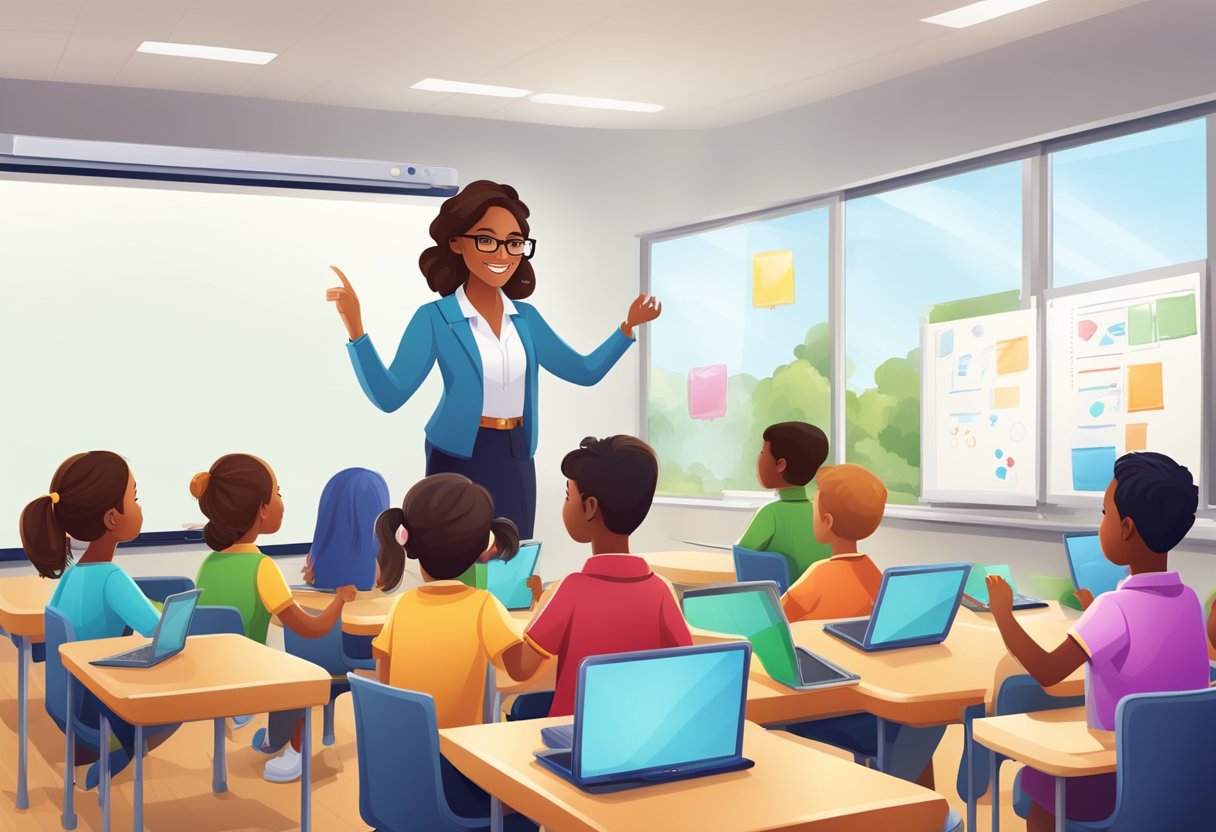
The quick move toward digital learning has changed education all over the world. Teachers in K–12 and higher education are expected to use technology not just as a tool, but as an important part of their teaching. This change brings both exciting new possibilities and big problems for teachers. Giving teachers the tools they need to teach online is important for students to do well in today’s connected world.
Getting to Know the Digital Teaching World
Using a projector or giving students online homework is only the tip of the iceberg when it comes to digital teaching. It includes online learning platforms, interactive tools, virtual classrooms, digital tests, and even AI. With these new technologies, teachers must promote digital literacy, engagement, and collaboration, all while making sure that everyone has equal access.
Important Skills for Teaching Online
Teachers need to be good with technology. They need to know how to use learning management systems (LMS), video conferencing software, interactive whiteboards, and educational apps. Teachers can keep up with changing platforms by taking part in regular training and professional development.
Digital Pedagogy: To teach effectively online or in a hybrid setting, you need to change the way you teach. This includes making lessons that students can interact with, leading discussions online, and using technology to check how well students are learning.
Managing student participation, engagement, and behavior online is different from managing a classroom in person. Setting clear goals, using breakout rooms, and keeping an eye on chat functions are all important skills.
Accessibility and Inclusion: All students, even those with disabilities or limited internet access, should be able to use digital learning. To make sure that all students have equal learning opportunities, teachers should know about accessibility features and other resources.
Digital Citizenship and Data Privacy: Teachers need to know how to keep student data safe and how to act responsibly online. They are also very important for teaching students how to be good digital citizens and use the internet safely.
Ways to Help Teachers Get Ready
Ongoing Professional Development: Schools and districts should hold regular workshops, training sessions, and peer-to-peer mentoring sessions that focus on both technology and digital pedagogy.
Collaborative Communities: Making online communities lets teachers share resources, experiences, and ways to solve common problems that come up when teaching digitally.
Technical Support: Teachers can get help with IT problems quickly, which keeps the classroom from getting too noisy.
Resource Curation: Teachers save time and make sure the quality of resources by using curated collections of lesson plans, tutorials, and vetted digital tools.
Feedback and Reflection: Getting teachers to think about how they teach digitally and ask for student feedback helps them get better all the time.
Final Thoughts
Preparing teachers to teach online isn’t a one-time thing; it’s an ongoing process that changes as technology and teaching methods do. Schools give teachers the tools they need to make digital learning experiences that are dynamic, welcoming, and effective by giving them training, support, and opportunities to work together. In the end, well-prepared teachers are the most important thing for making sure that students do well in the digital age.

WeeklyMinds.com is proud to feature an author who brings a wealth of knowledge and experience to our blog. Weekly Minds is an accomplished freelancer writer with 12 years of experience in the field.
WeeklyMinds.com has a passion for sharing insights and perspectives on political, news, technology, home improvement, interiors and many more. Their unique perspective on current affairs has been featured in numerous publications and they have been a guest speaker at college fests.
WeeklyMinds.com is also an avid interest in writing and reading and enjoys singing, music, shopping, travelling and some more. In their free time, they can often be found of reading the novels and various current topics.
We are thrilled to have Elia Scala as a contributor to WeeklyMinds and look forward to their continued insights and contributions to our blog.