

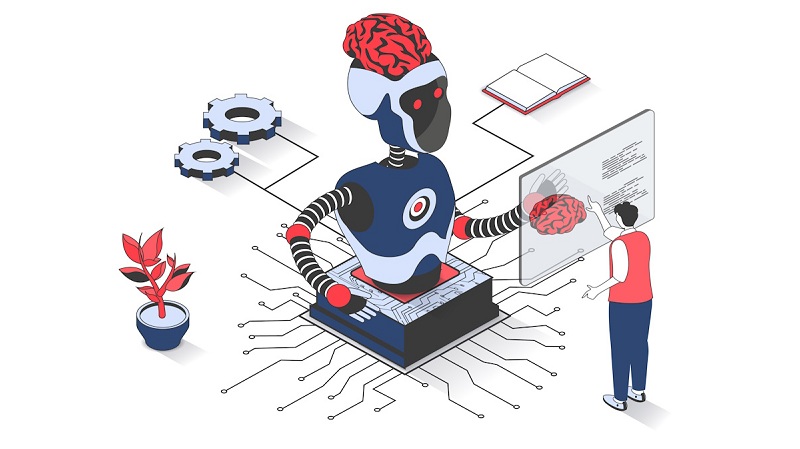
The integration of artificial intelligence into our daily work routines has moved beyond the realm of science fiction into practical reality. From the moment we wake up to check AI-curated news feeds to the intelligent scheduling assistants that organize our meetings, AI has become an invisible yet powerful force reshaping how we approach productivity, creativity, and problem-solving in both professional and personal contexts.
The Automation Revolution in Knowledge Work
Traditional knowledge work, once considered immune to automation, is experiencing a fundamental transformation. AI-powered tools are now handling tasks that previously required human intervention, from document analysis and data entry to content creation and customer service interactions.
Email management exemplifies this shift perfectly. Modern AI systems can prioritize messages based on importance, draft responses that match your writing style, and even schedule meetings by parsing conversational language. What once consumed hours of administrative time now happens seamlessly in the background, allowing professionals to focus on strategic thinking and relationship building.
Document processing has similarly evolved. Legal professionals use AI to review contracts and identify potential issues, while financial analysts leverage machine learning algorithms to process vast datasets and generate insights that would take human teams weeks to compile. These systems don’t replace human expertise but amplify it, enabling professionals to handle larger volumes of work with greater accuracy.
Creative Industries Embrace AI Enhancement
The creative sector has witnessed perhaps the most dramatic AI integration, challenging traditional notions of human-only creative processes. Graphic designers now collaborate with AI tools that can generate initial concepts, suggest color palettes, and even create variations of existing designs. Writers use AI assistants for research, ideation, and editing, while maintaining creative control over their final output.
Marketing teams have particularly benefited from AI’s analytical capabilities. Predictive algorithms analyze consumer behavior patterns to optimize campaign timing and content, while AI-generated A/B tests help refine messaging strategies. Social media managers rely on AI tools to schedule posts, analyze engagement metrics, and even generate hashtag suggestions that maximize reach.
Video production, once a time-intensive process, now incorporates AI for tasks ranging from automated transcription and subtitle generation to smart editing that can identify the most engaging moments in raw footage. Musicians experiment with AI-composed melodies and harmonies, using these tools as collaborative partners rather than replacements for human creativity.
Healthcare and Professional Services Transformation
Healthcare workflows have experienced revolutionary changes through AI implementation. Electronic health records now feature intelligent systems that can flag potential drug interactions, suggest diagnostic tests based on symptoms, and even predict patient deterioration before visible signs appear. Radiologists work alongside AI systems that can detect anomalies in medical images with remarkable accuracy, allowing them to focus on complex cases requiring human judgment.
Mental health professionals use AI-powered platforms to monitor patient progress between sessions, analyze speech patterns for mood indicators, and provide 24/7 crisis intervention support. These tools extend therapeutic reach without replacing the essential human connection that drives healing.
In legal services, AI research assistants can scan through thousands of case precedents in minutes, draft initial contract versions, and perform due diligence tasks that traditionally required junior associates. This shift allows experienced lawyers to spend more time on strategy and client consultation while reducing costs for routine legal services.
Education and Learning Reimagined
Educational workflows have been fundamentally altered by AI’s personalization capabilities. Adaptive learning platforms adjust difficulty levels in real-time based on student performance, ensuring optimal challenge without overwhelming learners. Teachers use AI-powered analytics to identify students at risk of falling behind and receive suggestions for individualized intervention strategies.
Administrative tasks that once consumed educators’ time, such as grading multiple-choice tests and providing initial feedback on essays, are increasingly handled by AI systems. This automation frees teachers to focus on relationship building, creative lesson planning, and addressing complex learning challenges that require human insight.
Corporate training programs leverage AI to create personalized learning paths for employees, adapting content delivery based on learning styles and progress rates. Virtual reality training simulations, powered by AI, provide safe environments for practicing high-risk procedures in fields ranging from surgery to aviation.
Small Business and Entrepreneurship Acceleration
Perhaps nowhere is AI’s democratizing effect more evident than in small business operations. Entrepreneurs who previously couldn’t afford specialized staff now access AI-powered tools for accounting, customer relationship management, and market analysis. Chatbots handle initial customer inquiries, allowing small teams to provide 24/7 support without hiring additional staff.
E-commerce businesses use AI for inventory management, predicting demand patterns and optimizing stock levels to reduce waste while ensuring product availability. Pricing algorithms adjust rates dynamically based on competitor analysis and market conditions, maximizing revenue without constant manual oversight.
Social media marketing, once requiring dedicated specialists, is now manageable for small business owners through AI platforms that create content calendars, design graphics, and analyze performance metrics automatically.
The Human-AI Collaboration Model
Rather than replacing human workers, the most successful AI implementations create collaborative partnerships. AI handles data processing, pattern recognition, and routine tasks, while humans provide creative vision, ethical judgment, and emotional intelligence. This division of labor allows both parties to operate in their areas of strength.
Customer service exemplifies this collaborative approach. AI chatbots handle routine inquiries and gather initial information, then seamlessly transfer complex issues to human agents who have context and preliminary solutions already prepared. The result is faster resolution times and improved customer satisfaction.
Project management has evolved similarly, with AI tools tracking progress, identifying potential bottlenecks, and suggesting resource allocation adjustments, while human managers focus on team motivation, stakeholder communication, and strategic decision-making.
Challenges and Adaptation Strategies
The AI revolution in workflows isn’t without challenges. Privacy concerns, algorithmic bias, and job displacement fears require careful consideration. Organizations successfully integrating AI invest heavily in employee training, ensuring teams understand how to work effectively with AI tools rather than fear replacement by them.
Data quality and security have become paramount concerns as AI systems require vast amounts of information to function effectively. Companies must balance AI’s analytical power with robust privacy protections and ethical usage guidelines.
The learning curve associated with new AI tools can initially reduce productivity before improvements become apparent. Successful organizations phase AI implementation gradually, allowing teams to adapt while maintaining operational efficiency.
Looking Forward: The Future of AI-Enhanced Work
The trajectory suggests even deeper AI integration into daily workflows. Predictive AI will anticipate needs before they arise, scheduling meetings when all participants are most alert, ordering supplies before they run out, and suggesting break times to optimize mental performance.
Voice-activated AI assistants will become more sophisticated, handling complex multi-step tasks through natural conversation. Augmented reality interfaces will overlay AI-generated insights directly onto our physical work environment, creating seamless integration between digital intelligence and human intuition.
The most significant change may be cultural: a shift from viewing work as individual effort to understanding it as human-AI collaboration. Success will increasingly depend on our ability to effectively partner with artificial intelligence rather than compete against it.
Conclusion
Artificial intelligence is not just changing how we work; it’s redefining what work means in the modern era. By automating routine tasks, enhancing creative processes, and providing powerful analytical capabilities, AI frees human workers to focus on relationship building, strategic thinking, and creative problem-solving.
The organizations and individuals who thrive in this new landscape will be those who embrace AI as a collaborative partner, investing in the skills needed to work effectively alongside artificial intelligence while maintaining the uniquely human qualities that no algorithm can replicate. The revolution is not about human versus machine, but about the powerful possibilities that emerge when human creativity and artificial intelligence work in harmony.
As we stand at the threshold of even more advanced AI capabilities, the key to success lies not in resisting change but in thoughtfully integrating these powerful tools into workflows that enhance human potential rather than diminish it. The future belongs to those who can dance with the machines, creating value that neither human nor artificial intelligence could achieve alone.

WeeklyMinds.com is proud to feature an author who brings a wealth of knowledge and experience to our blog. Weekly Minds is an accomplished freelancer writer with 12 years of experience in the field.
WeeklyMinds.com has a passion for sharing insights and perspectives on political, news, technology, home improvement, interiors and many more. Their unique perspective on current affairs has been featured in numerous publications and they have been a guest speaker at college fests.
WeeklyMinds.com is also an avid interest in writing and reading and enjoys singing, music, shopping, travelling and some more. In their free time, they can often be found of reading the novels and various current topics.
We are thrilled to have Elia Scala as a contributor to WeeklyMinds and look forward to their continued insights and contributions to our blog.