

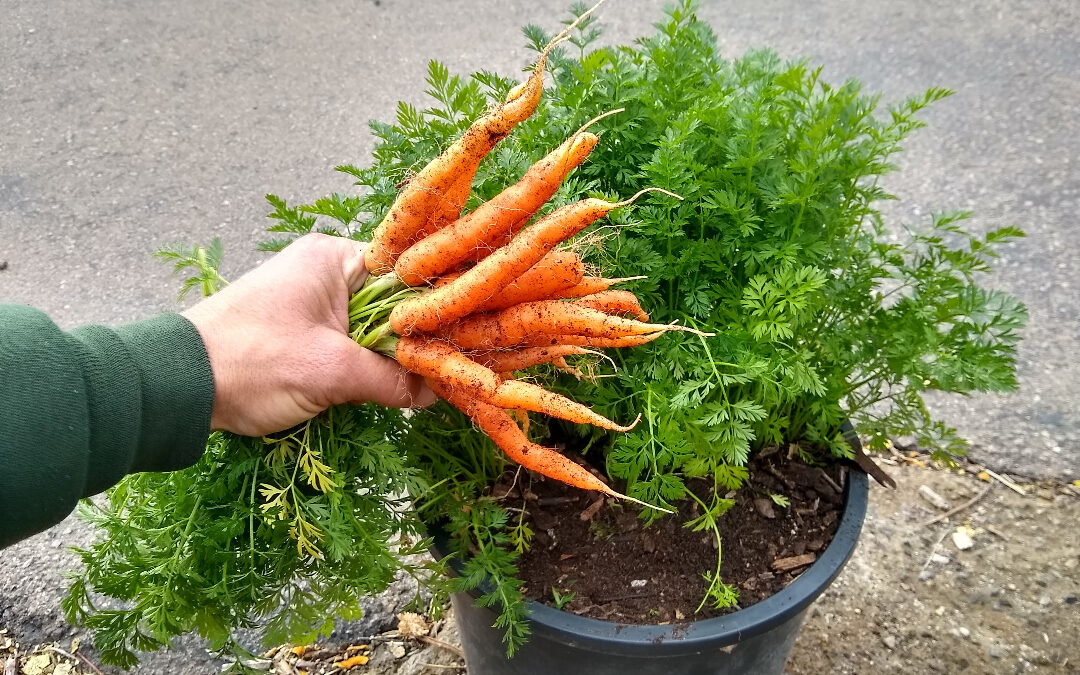
Growing carrots in containers is an excellent way to enjoy fresh, homegrown vegetables even if you have limited garden space. Container gardening allows you to control soil conditions, makes harvesting easier, and lets you grow carrots on patios, balconies, or anywhere with adequate sunlight. This comprehensive guide will walk you through everything you need to know to successfully grow carrots in containers.
Why Grow Carrots in Containers?
Container gardening offers several advantages for growing carrots:
Space efficiency: Perfect for small spaces, apartments, or urban gardening where ground space is limited.
Soil control: You can provide the ideal loose, well-draining soil that carrots need without dealing with compacted or rocky garden soil.
Pest management: Containers make it easier to protect your carrots from ground-dwelling pests and diseases.
Easier harvesting: No need to dig through hard soil – simply dump the container to harvest your crop.
Mobility: Containers can be moved to optimize sunlight exposure or protect from harsh weather.
Choosing the Right Container
The container you select is crucial for carrot success. Carrots are root vegetables that need adequate depth and width to develop properly.
Container depth: Most carrot varieties require containers at least 12-18 inches deep. Shorter varieties like Paris Market or Thumbelina can grow in containers as shallow as 8-10 inches, while longer varieties like Imperator need containers 18-24 inches deep.
Container width: Choose containers at least 12 inches wide to allow proper spacing between carrots. Wider containers allow you to grow more carrots and provide better root development.
Drainage: Ensure your container has adequate drainage holes in the bottom. Poor drainage leads to root rot and stunted growth.
Material considerations: Plastic containers retain moisture well and are lightweight. Ceramic or clay pots provide better insulation but can be heavy. Fabric grow bags offer excellent drainage and root aeration.
Selecting Carrot Varieties
Not all carrot varieties are suitable for container growing. Choose varieties based on your container depth and personal preferences.
Short varieties (6-8 inches deep containers): Paris Market, Thumbelina, and Romeo are compact, round varieties perfect for shallow containers.
Medium varieties (10-12 inches deep containers): Chantenay, Danvers Half Long, and Scarlet Nantes work well in moderately deep containers.
Long varieties (18+ inches deep containers): Imperator, Purple Haze, and Cosmic Purple need deep containers but offer impressive length and yield.
Specialty varieties: Consider colorful options like Purple Top, White Satin, or Rainbow Blend to add visual interest to your harvest.
Soil Requirements
Carrots are particular about soil conditions, making container growing ideal since you can provide exactly what they need.
Soil texture: Use a light, loose potting mix that drains well. Heavy or clayey soils cause carrots to fork or become stunted. A quality commercial potting mix combined with compost works excellently.
Soil depth: Fill containers with at least 12 inches of soil for most varieties, ensuring the soil is loose all the way to the bottom.
pH levels: Carrots prefer slightly acidic to neutral soil with a pH between 6.0-7.0. Most commercial potting mixes fall within this range.
Nutrients: Mix in compost or well-aged manure before planting. Avoid fresh manure, which can cause carrots to fork or become hairy.
Planting Your Carrots
Timing and technique are important for successful carrot germination and growth.
When to plant: Carrots are cool-season crops that can be planted 2-3 weeks before the last spring frost. For fall harvests, plant 10-12 weeks before the first expected frost.
Seeding technique: Carrot seeds are tiny and can be challenging to space properly. Mix seeds with sand for easier, more even distribution, or use seed tape for precise spacing.
Planting depth: Sow seeds ¼ inch deep in loose soil. Plant more thickly than needed since carrot germination rates can be inconsistent.
Spacing: Plant seeds about ½ inch apart initially, knowing you’ll need to thin them later.
Watering after planting: Keep soil consistently moist but not waterlogged. Use a gentle spray to avoid displacing the tiny seeds.
Care and Maintenance
Proper ongoing care ensures healthy carrot development from seedling to harvest.
Watering: Maintain consistent moisture throughout the growing season. Carrots need about 1 inch of water per week. Inconsistent watering can cause splitting or poor root development. Water at soil level to avoid getting foliage wet.
Thinning: Once seedlings are 2 inches tall, thin to 1-2 inches apart. This step is crucial – overcrowded carrots will be small and malformed. Use scissors to cut unwanted seedlings rather than pulling, which can disturb neighboring roots.
Fertilizing: Carrots don’t need heavy fertilization. Apply a balanced, low-nitrogen fertilizer every 3-4 weeks. Too much nitrogen promotes leaf growth at the expense of root development.
Mulching: Apply a thin layer of organic mulch around plants to retain moisture and suppress weeds. Avoid mulching too heavily, which can keep soil too cool.
Sunlight requirements: Carrots need at least 6 hours of direct sunlight daily for optimal growth. If your containers receive less light, choose shorter varieties that mature more quickly.
Common Problems and Solutions
Understanding potential issues helps you maintain healthy carrot crops.
Poor germination: Carrot seeds can take 14-21 days to germinate and need consistent moisture. Cover the container with burlap or shade cloth to prevent soil from drying out during germination.
Forked or misshapen carrots: Usually caused by rocks, hard soil, or obstacles in the growing medium. Ensure your potting mix is fine and obstacle-free.
Stunted growth: Often results from overcrowding, poor soil, or insufficient water. Proper thinning and consistent care prevent this issue.
Pest management: Common pests include carrot flies and aphids. Row covers can prevent carrot flies, while insecticidal soap controls aphids. Beneficial insects like ladybugs help control pest populations naturally.
Disease prevention: Ensure good air circulation and avoid overhead watering to prevent fungal diseases. Rotate containers to different locations each season if possible.
Harvesting Your Carrots
Knowing when and how to harvest ensures the best flavor and texture.
Maturity indicators: Most carrot varieties mature in 70-80 days from seeding. Check seed packets for specific timing. Mature carrots will have shoulders (tops) that are the expected diameter for the variety.
Testing for readiness: Gently brush away soil from the top of a few carrots to check size and color. If they’re not ready, cover them back up and wait another week or two.
Harvesting technique: Water the soil thoroughly before harvesting to make removal easier. Grasp the carrot tops near the base and pull straight up with a gentle twisting motion. For long varieties in deep containers, you may need to carefully dig alongside the carrot.
Storage: Remove tops immediately after harvest, leaving about ½ inch of stem. Brush off soil but don’t wash until ready to use. Store in the refrigerator in perforated plastic bags for up to several weeks.
Succession Planting for Continuous Harvest
Maximize your carrot production with strategic succession planting.
Timing successive plantings: Plant new containers every 2-3 weeks throughout the growing season for a continuous harvest. This ensures you always have carrots at different stages of maturity.
Season extension: Use row covers or move containers to protected areas to extend the growing season. Carrots can tolerate light frosts and actually become sweeter after cold exposure.
Fall and winter growing: In mild climates, carrots can be grown through winter. Choose cold-hardy varieties and provide protection during the coldest periods.
Container Carrot Varieties by Season
Spring planting: Fast-maturing varieties like Babette, Paris Market, or Little Finger work well for early season planting.
Summer growing: Heat-tolerant varieties such as Bolero or Resistafly perform better in warm weather.
Fall harvest: Cold-hardy varieties like Yellowstone or Purple Haze provide excellent fall and winter harvests.
Troubleshooting Guide
Seeds won’t germinate: Check soil temperature (should be 55-75°F), ensure consistent moisture, and verify seed freshness. Old seeds have poor germination rates.
Carrots are too small: Usually indicates overcrowding, poor soil nutrition, or insufficient water. Thin more aggressively and maintain consistent care.
Split or cracked carrots: Often caused by irregular watering, especially drought followed by heavy watering. Maintain consistent moisture levels.
Bitter taste: Can result from stress, inconsistent watering, or harvesting too late. Harvest at proper maturity and maintain good growing conditions.
Conclusion
Growing carrots in containers is a rewarding way to produce fresh, flavorful vegetables in any space. Success depends on choosing appropriate varieties for your container size, providing loose, well-draining soil, and maintaining consistent moisture throughout the growing season. With proper care and attention to detail, you can enjoy homegrown carrots that far surpass store-bought alternatives in both flavor and satisfaction.
The key to container carrot success lies in understanding that these root vegetables need room to grow downward and consistent conditions to develop properly. By following these guidelines and paying attention to your plants’ needs, you’ll be rewarded with sweet, crisp carrots that showcase the benefits of homegrown produce.
Whether you’re a beginner gardener working with limited space or an experienced grower looking to expand your harvest, container-grown carrots offer an accessible and productive way to enjoy one of the garden’s most satisfying crops. Start with one or two containers, learn what works in your specific conditions, and gradually expand your carrot growing operation as your confidence and success grow.

WeeklyMinds.com is proud to feature an author who brings a wealth of knowledge and experience to our blog. Weekly Minds is an accomplished freelancer writer with 12 years of experience in the field.
WeeklyMinds.com has a passion for sharing insights and perspectives on political, news, technology, home improvement, interiors and many more. Their unique perspective on current affairs has been featured in numerous publications and they have been a guest speaker at college fests.
WeeklyMinds.com is also an avid interest in writing and reading and enjoys singing, music, shopping, travelling and some more. In their free time, they can often be found of reading the novels and various current topics.
We are thrilled to have Elia Scala as a contributor to WeeklyMinds and look forward to their continued insights and contributions to our blog.