

Jeep is more than just a car brand; it’s a sign of adventure, freedom, and the ability to go off-road. Jeep has a unique place in automotive history. It started out as a military vehicle during World War II and has since become a well-known brand known for its durability and ability to explore. This article looks at the history of Jeep, how it has changed over time, and why it is still a popular car brand.
Where they came from: Battle
The U.S. Army needed a versatile, lightweight, all-terrain vehicle to help troops during World War II, which is how Jeep got its start in the early 1940s. The Army asked car companies for a “general-purpose” vehicle in 1940, which led to a competition between companies like Willys-Overland, Ford, and American Bantam. The Willys MB, which was designed by Willys-Overland, came out on top because it was strong, had four-wheel drive, and could handle tough situations.
The Willys MB, which came out in 1941, was the first real “Jeep.” People think its name comes from a slurring of “GP” (general purpose), but others say it’s based on the character “Eugene the Jeep” from the Popeye comics, who was known for being clever. More than 600,000 Jeeps were made during the war, and they were praised for being able to safely move troops, equipment, and supplies across battlefields all over the world.
Changes in the Post-War Era: From Military to Civilian
Willys-Overland saw that the Jeep could be useful for civilians after the war. The CJ (Civilian Jeep) series, which began with the CJ-2A, was first made by the company in 1945. The CJ-2A was marketed to farmers, ranchers, and people who like to spend time outside. It kept the military Jeep’s tough design but added things like a tailgate and a spare tire that could be mounted on the side. This was the start of Jeep’s change into a brand for consumers.
Jeep has added more models over the years, but it has always stayed true to its off-road roots. The brand made famous models like the Wagoneer in 1963. It was one of the first SUVs and combined luxury features with off-road capability. The Cherokee, which came out in 1974, made the SUV idea even more popular by giving families a more comfortable option than the utilitarian CJ models.
Changes in ownership and growth around the world
The fact that Jeep has changed hands so many times shows how valuable it is. In 1953, Kaiser Motors bought Willys-Overland. In 1970, American Motors Corporation (AMC) took over. AMC changed the compact SUV market with new ideas, like the XJ Cherokee, which came out in 1984. Chrysler Corporation bought Jeep in 1987, which helped the company grow even more. Stellantis, which was formed in 2021 when Fiat Chrysler Automobiles and PSA Group merged, now owns Jeep.
Stellantis has turned Jeep into a global brand, with factories in the U.S., Europe, Asia, and Latin America. People who like adventure and people who drive in cities can both buy its cars in more than 140 countries.
The modern Jeep lineup is flexible and new.
Wrangler: The Wrangler is Jeep’s most famous model. It’s the spiritual successor to the original Willys MB and is known for its removable doors, fold-down windshield, and unmatched off-road ability. The 2025 Wrangler comes in both hybrid and electric versions, such as the 4xe plug-in hybrid, which is good for the environment and good for off-road driving.
The Grand Cherokee: The Grand Cherokee is a midsize SUV that is both luxurious and useful. It is popular with families and people who like to go off-road. The 2025 version has high-end interiors and advanced driver-assistance systems.
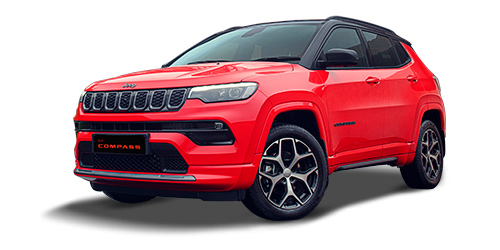
Cherokee and Compass: These small SUVs are great for city drivers who want a lot of options without losing Jeep’s signature capability.
The Gladiator is Jeep’s first pickup truck since the 1990s. It came out in 2019 and has the same off-road ability as the Wrangler but can also carry things.
The Wagoneer and Grand Wagoneer are full-size SUVs that are aimed at the luxury market. They have high-end features and powerful performance for high-end buyers.
Jeep is also getting into electric vehicles, with the Wrangler 4xe and Grand Cherokee 4xe being two of the first. The brand wants to add more electric vehicles to its lineup. This is in line with Stellantis’ push for eco-friendly transportation while keeping Jeep’s tough image.
Legacy and Community in Off-Roading
No other company can match Jeep’s reputation as the best off-road vehicle. Models like the Wrangler and Gladiator are great for going over trails, mud, rocks, and sand because they have four-wheel drive, high ground clearance, and skid plates. The brand’s Trail Rated badge shows that a vehicle can handle tough situations after going through a lot of testing.
Jeep is more than just a car company; it’s a community. The Jeep Jamboree is an annual event that takes place all over the U.S. and beyond. It brings Jeep fans together to explore trails and celebrate the Jeep lifestyle. The “Jeep Wave,” a friendly gesture between Jeep drivers, shows how close owners are to each other.
Effects on culture and the future
Jeep’s impact goes beyond car design and into pop culture, where it can be seen in movies, music, and adventure media. People who want to be free and explore love its tough look and “go anywhere” attitude, which makes it a cultural icon.
Jeep wants to find a balance between its history and new ideas in the future. The company’s plans for fully electric models by 2030 show how it is adapting to a changing industry. But Jeep is still committed to keeping its core values of adventure, durability, and versatility.
Conclusion
Jeep has been popular for a long time, going from being a utility vehicle during World War II to becoming a global car icon. Jeep has a long history of making tough vehicles and a bright future focused on sustainability. This inspires drivers to take the road less traveled. Jeep is still a symbol of adventure, freedom, and the unbreakable spirit of exploration, whether you’re driving through the city or on a remote trail.

WeeklyMinds.com is proud to feature an author who brings a wealth of knowledge and experience to our blog. Weekly Minds is an accomplished freelancer writer with 12 years of experience in the field.
WeeklyMinds.com has a passion for sharing insights and perspectives on political, news, technology, home improvement, interiors and many more. Their unique perspective on current affairs has been featured in numerous publications and they have been a guest speaker at college fests.
WeeklyMinds.com is also an avid interest in writing and reading and enjoys singing, music, shopping, travelling and some more. In their free time, they can often be found of reading the novels and various current topics.
We are thrilled to have Elia Scala as a contributor to WeeklyMinds and look forward to their continued insights and contributions to our blog.