

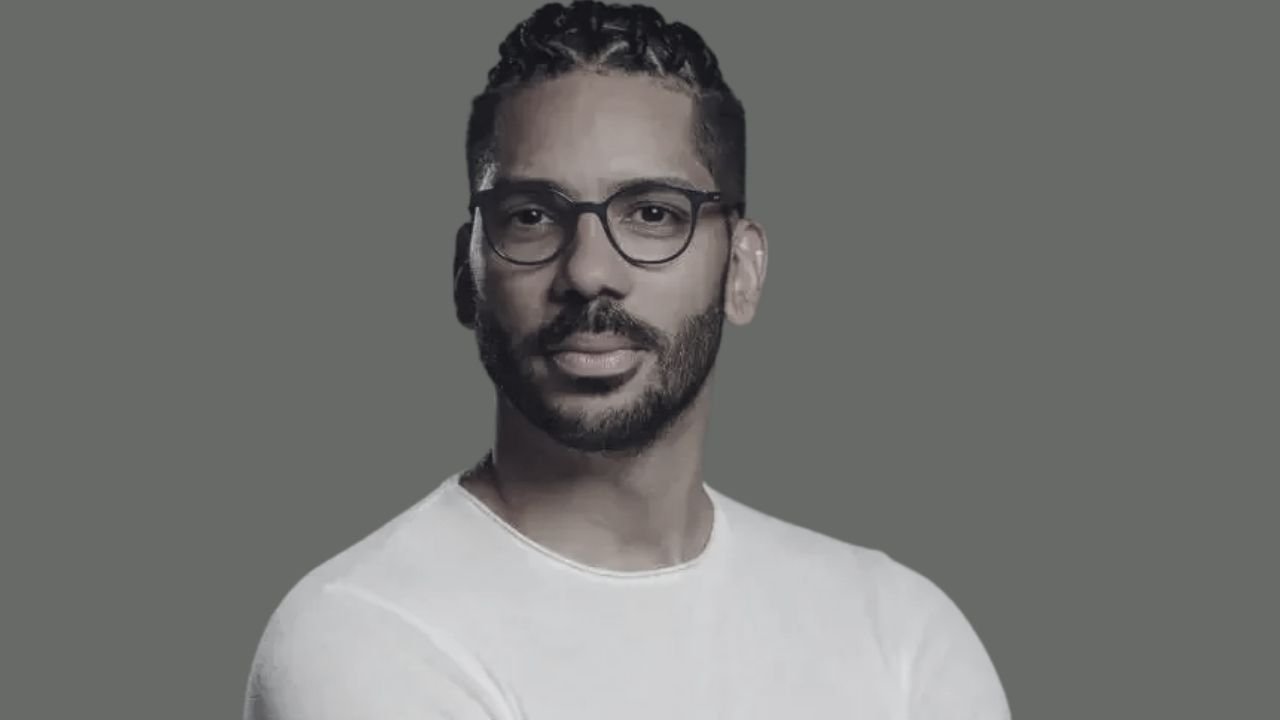

Joel Jota: The Rise, Controversy, and Resilience of Brazil’s High-Performance Coach
In the world of sports and personal development, few figures embody the blend of athletic grit, entrepreneurial savvy, and motivational fire quite like Joel Jota. Born on January 7, 1981, in Santos, Brazil—a coastal city renowned for producing soccer legends like Pelé—Jota’s journey from competitive swimmer to the country’s self-proclaimed “maior especialista em alta performance” (most excellent high-performance specialist) has captivated millions. With over 5 million Instagram followers, best-selling books, and a portfolio of businesses spanning tech, health, and education, Jota has built an empire on the promise that success is “treinável” (trainable). Yet his path hasn’t been without turbulence, marked by a high-profile Olympic controversy in 2024 that tested his credibility and forced him to confront his past. As we approach the end of 2025, Jota’s story remains a compelling case study in ambition, reinvention, and the fine line between inspiration and exaggeration.
From the Pool to the Podium: An Athlete’s Foundation
Jota’s early life was immersed in the disciplined world of swimming. Growing up in Santos, he dove into the sport during his teens, quickly rising through the ranks of Brazilian aquatics. Over a 15-year professional career, he amassed more than 30 medals in national and international competitions, including participation in the 2002 World Championships in Durban, South Africa, and the 2005 and 2006 editions of the Swimming World Cup—a circuit of high-level meets that, while not the pinnacle event like the World Aquatics Championships, showcased emerging talents. Jota also claimed multiple Brazilian championships, honing a work ethic that would later define his coaching philosophy.
By age 26, however, Jota hung up his goggles and transitioned from competitor to coach. Armed with a degree in Physical Education and over a decade as a university professor, he began applying his poolside lessons to broader realms of performance. “The pool taught me that limits are illusions,” Jota often says in his talks, emphasizing routines like early-morning swims and mental visualization techniques that propelled him forward. This foundation wasn’t just personal; it became the bedrock of his mentoring style, blending sports science with psychology to unlock potential in others.
Building an Empire: Coach, Author, and Entrepreneur
Jota’s pivot to coaching in 2013 was prescient. Brazil was buzzing with post-2014 World Cup energy and pre-2016 Rio Olympics hype, creating fertile ground for mental performance experts. He quickly gained traction by training high-profile figures, including the father of soccer superstar Neymar Jr., which led to his appointment as general coordinator of the Instituto Projeto Neymar Jr. from 2014 to 2022. There, Jota oversaw programs blending sports training with social development for underprivileged youth, sharpening his skills in team dynamics and leadership.
Today, at 44, Jota is a multifaceted mogul. He’s the author of best-sellers like those exploring high performance, leadership, and mindset shifts—books that have sold thousands and inspired professionals across industries. As a speaker, he commands the stage at corporate events and sports summits, delivering actionable strategies for productivity and resilience. His weekly “Lives” broadcasts every Monday at 5:06 a.m.—a nod to his ritualistic start times—draw thousands eager for productivity hacks and interviews with tycoons.
Entrepreneurially, Jota’s reach is vast. He’s a co-founder or partner in seven ventures, including Konioca (nutrition-focused foods), Non Stop Produções (marketing), ClaxClub (a networking hub for executives), Performan-C (performance education), Hygia Saúde (health insurance), Jota Company (tech and media), and 3PS (digital solutions). His flagship offering, however, is personalized high-performance mentoring, where he promises to “transform collaborators’ performance aligned with your company’s vision.” Clients range from executives to athletes like Real Madrid’s Rodrygo and Arsenal’s Gilberto Silva, drawn to Jota’s mantra: “Success isn’t luck; it’s a skill you train.”
A master’s in Sports Sciences and a PhD in Education and New Technologies bolster his credentials, allowing him to infuse coaching with data-driven insights. Monthly podcasts feature luminaries sharing business and life wisdom in a “light and didactic” format, reinforcing Jota’s role as a bridge between elite sports and everyday ambition.
The Olympic Storm: Credibility Under Fire
No chapter in Jota’s story has been more scrutinized than his brief, ill-fated brush with the Olympics. In April 2024, the Comitê Olímpico do Brasil (COB) announced Jota as a “mentor and godfather” for the Paris 2024 delegation, tasked with supporting athletes’ mental preparation alongside figures like soccer icon Kaká. The role was meant to foster “high performance” through non-technical guidance—no coaching or psychology, Jota clarified, just motivational presence.
The backlash was swift and savage. Prominent swimmers like Joanna Maranhão (eight-time Pan-American medalist) and Bruno Fratus (Tokyo 2020 bronze medalist) publicly accused Jota of inflating his résumé. On his website and in promotions, Jota had touted himself as a “professional athlete of the Brazilian National Swimming Team,” a “multiple-time Brazilian champion as both swimmer and coach,” and “one of the fastest swimmers in the world.” Critics contended these were distortions: Jota never made the senior national team for major events like the Olympics or true World Championships, and his World Cup appearances were in a less prestigious series. “Joel was never on the main team,” Maranhão posted on social media, echoing Fratus’s frustration over Jota’s “lying to gain credibility.”
The uproar amplified Jota’s digital footprint into a liability. With Paris looming, the controversy risked overshadowing Brazil’s medal hopes. Jota, stung but composed, released a statement declining the role: “Despite being thrilled by the invitation, I’ve concluded me my family and I shouldn’t participate as godfather for the Brazilian delegation in Paris.” He reiterated that his intent was purely supportive and listed other COB padrinhos to underscore the collaborative spirit.
The episode exposed fault lines in Brazil’s sports ecosystem: the premium on authenticity amid a booming “coach” industry, where influencers monetize inspiration. Jota later adjusted his online bios, toning down claims while defending his journey. “I’ve never pretended to be what I’m not,” he told outlets like O Estado de S. Paulo. “My value is in the transformations I’ve facilitated, not titles.”
Legacy and Looking Ahead: Training the Future
By December 2025, the dust from Paris has settled, and Jota has rebounded with characteristic vigor. His businesses thrive, with Performan-C expanding online courses on resilience and leadership. He’s penned new works dissecting the “trainable success” model, drawing from the controversy as a lesson in vulnerability. Podcasts continue to unpack real-talk wisdom, and his early-morning Lives remain a ritual for high-achievers.
Critics may linger, but Jota’s defenders—many of them former clients—see him as a resilient force. In a nation where sports forge national identity, his story mirrors Brazil’s own: bold, flawed, and unyieldingly forward. As Jota puts it, “Performance isn’t about perfection; it’s about progress.” Whether mentoring the next Neymar or empowering a boardroom, Joel Jota proves that even coaches must swim through storms to reach their peak. In the end, his most fantastic medal may be the one he forges daily: relevance in a world that demands constant evolution.

WeeklyMinds.com is proud to feature an author who brings a wealth of knowledge and experience to our blog. Weekly Minds is an accomplished freelancer writer with 12 years of experience in the field.
WeeklyMinds.com has a passion for sharing insights and perspectives on political, news, technology, home improvement, interiors and many more. Their unique perspective on current affairs has been featured in numerous publications and they have been a guest speaker at college fests.
WeeklyMinds.com is also an avid interest in writing and reading and enjoys singing, music, shopping, travelling and some more. In their free time, they can often be found of reading the novels and various current topics.
We are thrilled to have Elia Scala as a contributor to WeeklyMinds and look forward to their continued insights and contributions to our blog.