

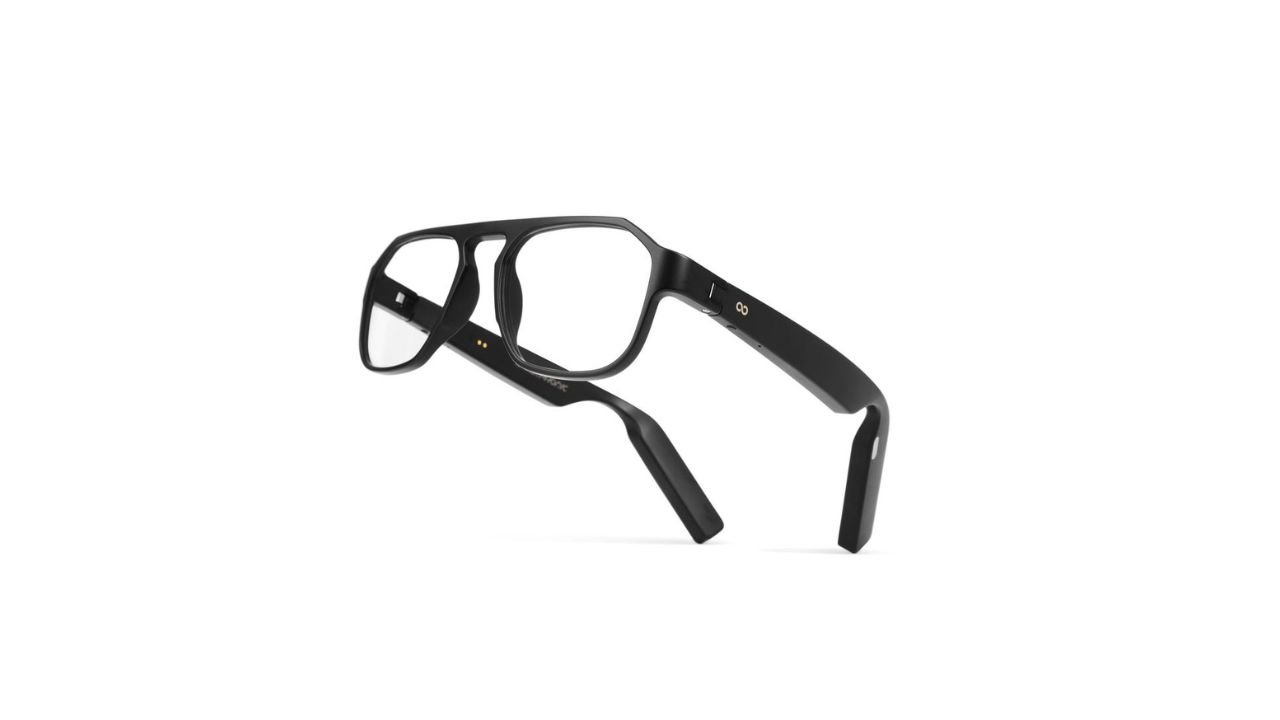

Lenskart, India’s top eyewear brand, has stepped into the future of wearable technology with its AI Smart Glasses. This is a world that is becoming more and more driven by new ideas. This revolutionary product aims to combine fashion, function, and artificial intelligence into a single, sleek accessory that not only improves vision but also has smart features that are useful in today’s world.
The Beginning of Lenskart AI Smart Glasses
Peyush Bansal started Lenskart in 2010, and the company has always been at the forefront of eyewear innovation in India. The brand has always pushed the limits of what eyewear can do, from 3D try-on technology to home eye exams. The launch of AI Smart Glasses marks the start of a new era in which glasses are more than just a way to see better; they are also a smart companion.
The goal of these glasses is to make artificial intelligence (AI) a part of everyday eyewear. This will give users access to real-time information, smart features, and ways to improve their lives, all while keeping the design stylish and comfortable.
Design and Build: A Mix of Style and Use
The AI Smart Glasses from Lenskart still focus on looks, which is what the brand is known for. These glasses are made of lightweight, strong materials like titanium and acetate blends, so you can wear them for long periods of time without getting tired.
The frames are still sleek, light, and modern, even though they have sensors, microphones, and processors built in. This means that the user doesn’t have to give up style for technology. The design comes in a variety of frame styles and colors, so it can be worn for both business and casual occasions.
Features that use AI to be cutting-edge
The Lenskart AI Smart Glasses stand out because they have smart technology built right into their design.
1. Integration with Voice Assistants
The glasses have built-in support for voice assistants like Google Assistant and Alexa, so you can call, text, navigate, or even play music without using your hands. People can get information without touching their phones by just saying a command.
2. Audio technology with speakers that let sound in
The glasses don’t have traditional earbuds; instead, they have open-ear directional speakers that send high-quality sound straight to the ear without blocking other sounds. This design keeps you safe while you walk or ride a bike and lets you listen to music without being seen.
3. Smart notifications and being able to connect
The glasses can connect to smartphones via Bluetooth and show notifications through soft light signals or voice alerts. Users can stay connected without having to check their devices all the time, whether it’s a message, call, or calendar reminder.
4. AI Health and Productivity Tips
The built-in sensors and AI algorithms keep track of what users do, like how much time they spend on their screens and how they sit, and give them tips on how to be healthier and more focused. The glasses can gently remind people to take breaks, change their posture, or blink often to ease eye strain.
5. Controls for gestures and touch
Users can control music, calls, or voice commands by swiping, tapping, or double-tapping on touch-sensitive temples. This easy-to-use control system makes things easier and more accessible, especially for people who are on the go.
AI Vision Enhancement: More than Just Regular Lenses
Lenskart’s smart glasses are an example of the company’s strength in optical innovation. The glasses can automatically change brightness and focus based on the environment because they have adaptive lenses that use AI.
For example, going outside automatically changes the tint to protect against UV rays, and going into a dark room brings back clarity. Future versions are expected to include integration between prescriptions and smart displays, which will allow for real-time translation, navigation overlays, and augmented reality experiences.
Battery Life and Performance
The Lenskart AI Smart Glasses are made to be efficient. Users can use it for 8 to 10 hours straight because it charges quickly and has a long-lasting battery. The magnetic charging dock makes it easy to use, and the power management AI makes sure that the battery lasts as long as possible.
Smart Living with Every Glance: Use Cases
Not only are the Lenskart AI Smart Glasses a cool piece of technology, but they can also help you live your life.
For Professionals: Notifications, calendar alerts, and reminders to be more productive without using your hands.
For people who love fitness: motion sensors that track your activity and correct your posture
For people who travel: navigation tips in real time and information based on where you are.
For everyday users: music, calls, and messages—all without having to reach for a phone.
These features make the glasses great for people who do a lot of things at once, are good with technology, or want their digital and physical worlds to work together smoothly.
Data and Privacy Safety
Lenskart knows that people are worried about data privacy, so they make sure that all AI processing and voice interactions are done with strong data encryption and, when possible, on the device itself. This makes sure that user data is always safe and private.
Prices and Availability
Lenskart hasn’t announced the final price yet, but early reports say that the AI Smart Glasses will be competitively priced, which means they will be cheaper than other smart glasses on the market, like Bose Frames or Ray-Ban Meta Smart Glasses. The product should be available soon in major Indian cities and on Lenskart’s online store. There will also be subscription options for upgrades and replacements.
A Leap into the Future with Vision
Lenskart’s AI Smart Glasses are more than just a new product; they show how vision care and smart technology are coming together. Lenskart is changing not only how we see the world, but also how we interact with it by combining AI with regular glasses.
Lenskart’s entry into the AI smart eyewear market is a bold step toward the future of personalized, connected, and smarter living. As wearable tech becomes more common, these intelligent accessories will be available to millions of people.