

Buying a home is exhilarating, no doubt, but it’s also a significant financial commitment. Between the thrill of exploring potential new homes and picturing your future there, one crucial step demands your attention: the professional home inspection. Though it might be tempting to overlook or rush this part of the process, comprehensive local home inspections are, without question, the wisest move you can make before you commit.
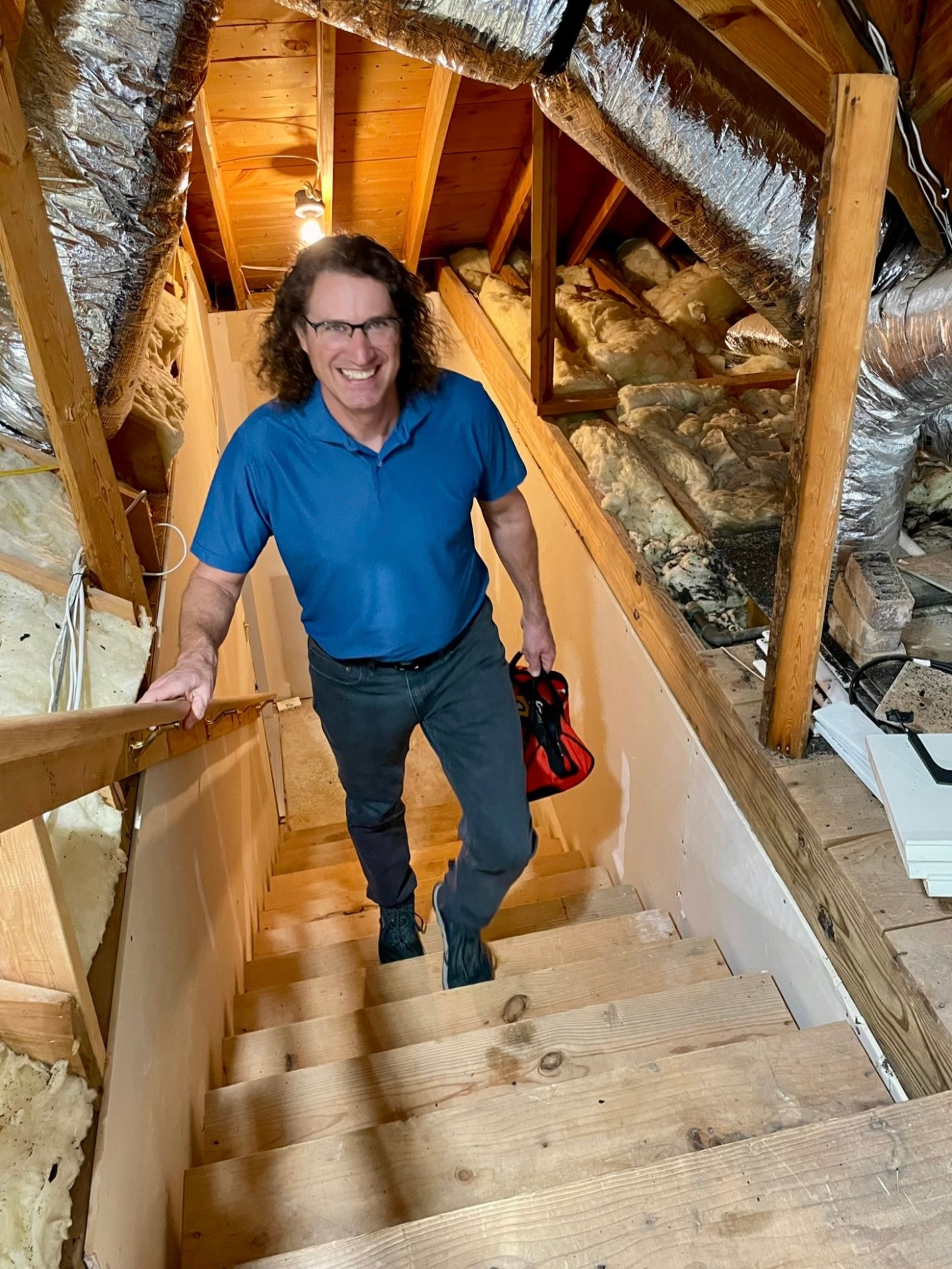
So, what does a home inspector actually do? They serve as your impartial, trained observer, performing a visual assessment of the property’s key systems and structural soundness. This isn’t a simple pass or fail; it’s a detailed assessment of the home’s current state. A thorough inspection report is a cornerstone of their service, a document that lays bare everything from minor inconveniences to potentially expensive problems. Consider this report your guide for future upkeep, and a potent asset when it comes to negotiations.
The real advantage, though, often comes from local know-how. An inspector well-versed in your specific area and the typical homes there offers a level of insight that’s hard to beat. They’re attuned to regional quirks—be it foundation issues linked to local soil, roofing troubles stemming from area weather, or the expected lifespan of popular HVAC systems in your climate. This local perspective allows them to identify subtle warning signs that a less familiar inspector might overlook.
The cost of a home inspection often comes up for discussion among prospective buyers. Usually, it falls somewhere between a couple of hundred and five hundred dollars. Considering the potential for unexpected repairs—think a leaky roof, antiquated electrical systems, or a compromised foundation—the inspection fee is a relatively small price to pay for reassurance. It’s a forward-thinking investment that could potentially save you a small fortune.
At its heart, the inspection is all about minimizing risk. It shifts your perspective from that of an emotionally driven buyer to an informed one. The report’s conclusions give you options: you can move forward with assurance, request repairs or a price cut from the seller, back out of a potentially costly investment, or simply budget for future improvements. You’ll know exactly what you’re getting.
Finding a good inspector is pretty simple. Check for certifications and make sure they have liability insurance. Ask for example reports and find out how quickly they can get the results to you—ideally within a day. While you should compare prices, don’t just go with the cheapest option; a comprehensive inspection, a small price to pay to protect an investment that could be worth hundreds of thousands.
Don’t try to figure this out on your own. Your real estate agent can usually suggest trustworthy, licensed inspectors in the area. Before you finalize the largest purchase you’ll likely ever make, make sure a professional has thoroughly examined the property. A local home inspections do more than just assess the house; it helps protect your investment and your long-term well-being.