

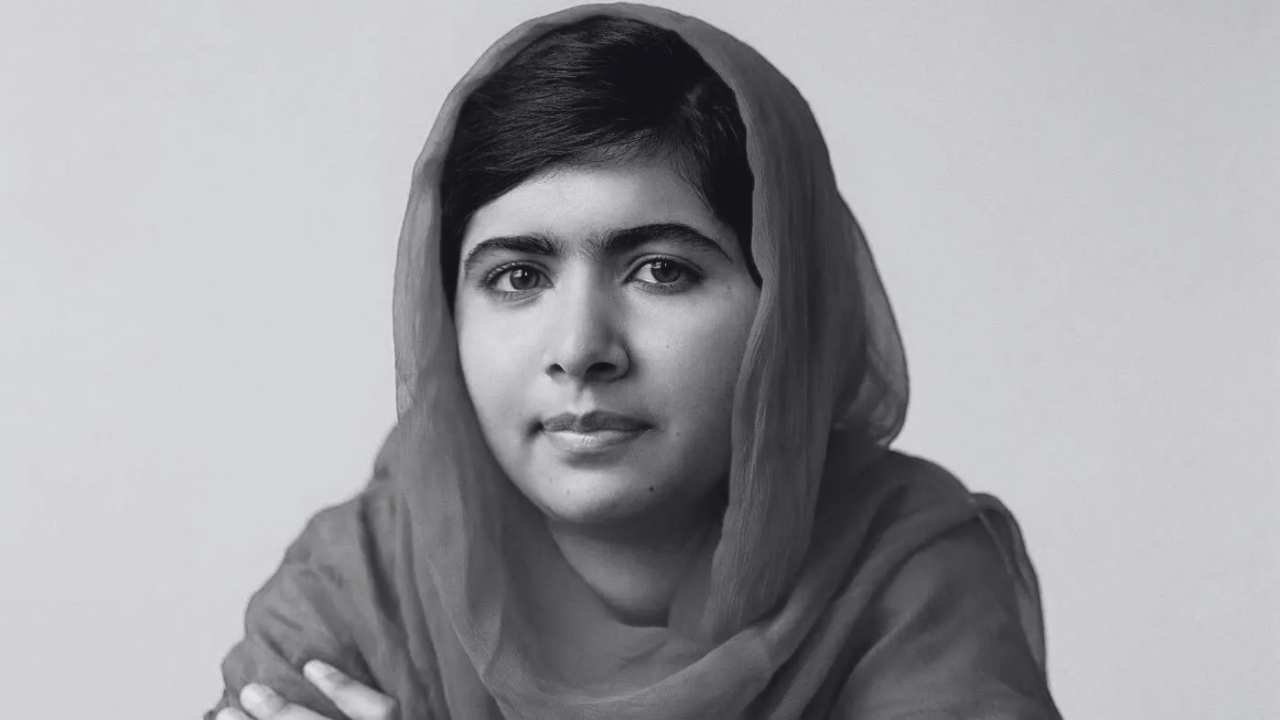

Malala Yousafzai: A Global Symbol of Courage, Education, and Hope
Malala Yousafzai stands today as one of the most influential advocates for girls’ education and human rights. Born on July 12, 1997, in the Swat Valley of Pakistan, she grew up in a region both culturally rich and politically turbulent. Her father, Ziauddin Yousafzai, an educator himself, ran a school and instilled in Malala a deep passion for learning and public service. This early environment shaped her into a fearless voice for educational access long before the world knew her name.
Malala’s activism began at a young age. At just 11, she started writing an anonymous blog for the BBC Urdu service, detailing life under the Taliban’s increasing control in Swat. Through her entries, she wrote candidly about the fear, restrictions, and threats girls faced as the Taliban banned them from attending school. Her writing reflected a maturity and sense of justice far beyond her years. As she continued to speak publicly about the importance of education, she drew widespread attention—both in Pakistan and internationally.
This bravery, however, came at a cost. On October 9, 2012, Malala was targeted by Taliban gunmen and shot in the head on her way home from school. The assassination attempt shocked the world and triggered a global outpouring of support. Malala was flown to the United Kingdom for specialized treatment, and after multiple surgeries and months of rehabilitation, she made a remarkable recovery. Instead of retreating into silence, she emerged stronger, transforming this traumatic event into a powerful catalyst for global change.
In 2013, Malala co-founded the Malala Fund, a non-profit organization dedicated to championing girls’ education worldwide. Through partnerships, grants, and advocacy efforts, the Fund works to ensure that girls in marginalized and conflict-affected regions have access to 12 years of free, safe, and quality education. The organization operates in countries such as Pakistan, Afghanistan, Nigeria, Brazil, and Ethiopia, advancing policy change and empowering young women to raise their own voices.
Malala’s unwavering commitment to education earned her the Nobel Peace Prize in 2014, making her the youngest Nobel laureate in history at the age of 17. The award recognized her extraordinary courage and her relentless fight against oppression, violence, and inequality. In her Nobel lecture, she famously stated, “One child, one teacher, one book, and one pen can change the world.” This message became a rallying cry for millions who believe in education as a fundamental human right.
Beyond her activism, Malala has continued her own academic journey. She graduated from the University of Oxford in 2020 with a degree in Philosophy, Politics, and Economics. Her academic accomplishments further symbolize her dedication to learning—not just as an advocate, but as a student who deeply values knowledge and personal growth. Today, she continues to amplify her mission through public speaking, writing, and producing educational content that highlights the struggles and aspirations of young women worldwide.
Malala has also expanded her impact through storytelling. Her memoir, “I Am Malala,” became an international bestseller, inspiring readers worldwide with her remarkable resilience and determination. She has since launched a production company aimed at elevating stories about women, children, and underrepresented communities. Through books, films, and media, she strives to bring attention to social injustices and highlight the power of individuals—especially young women—to shape their futures.
Malala Yousafzai’s life is more than a story of survival; it is a testament to the power of conviction, courage, and compassion. She reminds the world that education is not just a path to opportunity but a fundamental right worth fighting for. Through her advocacy, leadership, and unwavering spirit, she continues to inspire millions to speak out against injustice and work toward a brighter, more equitable future.
Today, Malala stands not only as a Nobel laureate and global activist, but also as a symbol of hope for every girl who aspires to attend school. Her journey underscores the truth that even in the face of danger and adversity, a single voice can spark worldwide change—and her voice continues to echo across continents, shaping the narrative of education and equality for generations to come.