

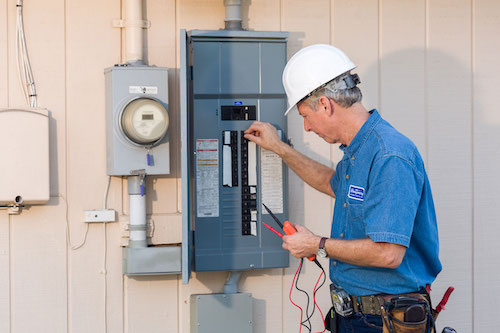
Weekends offer us the ideal opportunity to catch up on jobs around the house. From painting the spare room to assembling new furniture, taking the DIY route can be rewarding and cost-effective. But when it comes to electrics, the safest advice is simple: Never try electrical DIY yourself.
Electrical work in Clearwater is tightly regulated for good reason. Mistakes can lead to fires, shocks or even fatal injuries. No wonder working without a professional electrical contractor Clearwater is something you shouldn’t reconsider.
In this blog post, we’ll take a look at some practical safety tips you can follow at home and show how professional training is key to working safely with electricity in Clearwater.
Why Electrical DIY is Never Worth the Risk
Many people turn to YouTube tutorials or quick Google searches to fix a broken socket, rewire a plug or install an electrical panel in Clearwater. While this might seem straightforward, without formal training you risk breaking the law.
Many YouTube videos miss important codes regarding something as simple as changing out a plug in your home. The National Electrical Code requires Arc Fault protection to be added when replacing a plug in most locations in a residential property. Knowing this is a requirement and how to achieve it is an important aspect of doing electrical work.
It’s not merely about the rules, rather it’s about safety. A wrongly connected wire could overheat and start a fire inside your walls, often without you realizing until it’s very late. A loose earth connection could leave metal parts live, creating a shock hazards for anyone touching an appliance or switch. The reality is clear, if you need electrical work done, call a qualified electrician Clearwater.
Electrical Safety Tips for Every Household
Even if you’re not carrying out electrical panel Clearwater installations yourself, there are plenty of simple steps you can take to reduce risks in your home. For starters, avoid charging devices on beds or sofas. Phone and laptop batteries generate heat while charging. Placing them on soft furnishings restrict airflow, increasing the risk of overhearing and fire.
You should also make it the norm to unplug chargers when not in use. That’s because idle chargers still draw power and can get warm. They also increase the risk of sparks or surges. Make it a habit to switch off and unplug chargers once your device is full.
The good news is many manufacturers offer free online registration for household appliances. Doing so ensures you’ll be notified if there’s a product recall or safety notice. Unregistered appliances can leave households unaware of dangerous faults.
Reasons to Hire an Electrician
As we conclude, you should always remember that working with electricity without the proper training is dangerous, and even a slight mistake can have devastating consequences. A trained electrical contractor reduces the chances of these risks, ensuring your home is safeguarded against hidden dangers.
A licensed electrician boasts the knowledge and skills to complete installations and repairs safely. They know how to detect hazards, use the correct tools, and follow tested procedures. Rather than leaving safety to chance, you gain confidence that the job is done right the first time, reducing the risk of accidents for years to come. That’s precisely what you need to guarantee electrical safety at all times.
FAQs:
1. What’s the difference between an Electrician and an Electrical Contractor?
An Electrician is a trained professional who performs hands-on electrical work—wiring, troubleshooting, installing fixtures, and upgrading an Electrical Panel. An Electrical Contractor is a licensed business that employs one or more Electricians, manages permits, carries insurance, and takes responsibility for the entire project. When you hire an Electrical Contractor, you’re getting a company-level guarantee on code compliance, warranty, and scheduling. If you only need a single outlet replaced, an Electrician can handle it. For remodels, service upgrades, or commercial jobs, an Electrical Contractor is the right choice.
2. How do I choose a qualified Electrician Clearwater homeowners recommend?
Look for three things: state or local licensing, proof of insurance, and recent local experience. A reputable Electrician Clearwater residents trust will provide a license number you can verify with the state, plus a certificate of insurance naming you for the job. Ask about experience with Clearwater-specific issues like salt-air corrosion, storm surge grounding, and older home wiring. A knowledgeable Electrician Clearwater property owners rely on will explain how these conditions affect your Electrical Panel and suggest preventive steps.
3. When should I call an Electrical Contractor Clearwater business owners use instead of a handyman?
Any work involving your Electrical Panel, new circuits, service upgrades, EV chargers, or commercial build-outs should go through a licensed Electrical Contractor Clearwater inspectors are familiar with. Handymen are not permitted to pull electrical permits or work on the Electrical Panel in most jurisdictions. An Electrical Contractor Clearwater businesses trust will handle permitting, coordinate with Duke Energy for service disconnects, and schedule inspections so you stay compliant and insured.
4. How do I know if my Electrical Panel needs replacement?
Warning signs include frequent breaker trips, flickering lights, buzzing from the Electrical Panel, rust or corrosion on breakers, and outdated brands like Federal Pacific or Zinsco. If your Electrical Panel Clearwater home has is under 100 amps, it may not support modern HVAC, appliances, and EV charging. A licensed Electrician can perform a load calculation and inspection. If the Electrical Panel Clearwater inspection reveals double-tapped breakers, burned bus bars, or no room for expansion, an Electrical Contractor will recommend a full upgrade, typically to 200 amps.
5. What should be included in an estimate from an Electrical Contractor Clearwater residents hire?
A complete estimate from an Electrical Contractor should list: labor, materials with model numbers for the Electrical Panel and breakers, permit and inspection fees, drywall/paint patching allowances, and project timeline. The Electrician should specify whether arc-fault and GFCI protection are included to meet current code. Avoid vague proposals. A transparent Electrical Contractor Clearwater homeowners recommend will also note warranty terms for both workmanship and the new Electrical Panel.
6. How long does an Electrical Panel Clearwater upgrade take?
For a typical residential Electrical Panel replacement, a qualified Electrician can complete the work in 6–8 hours once permits are approved. The Electrical Contractor will schedule a utility disconnect in the morning, replace the Electrical Panel, and have the inspection same day or next. Delays usually come from permit backlogs or equipment lead times. Ask your Electrical Contractor Clearwater team about panel availability before you put down a deposit.
7. Is an Electrical Contractor more expensive than hiring an Electrician directly?
Hourly rates for an Electrician may look lower, but an Electrical Contractor provides project management, warranty, and liability coverage you don’t get from a solo operator. For anything beyond minor repairs, an Electrical Contractor Clearwater businesses use often saves money by avoiding failed inspections, rework, and code violations. Always compare scope, not just price. A cheap Electrician who skips the permit on an Electrical Panel job can cost thousands later.
8. What questions should I ask an Electrical Contractor before hiring?
Ask: Are you a licensed Electrical Contractor in Florida? Will an Electrician or apprentice be on site? Who pulls the permit and meets the inspector? What brand and amperage Electrical Panel do you recommend and why? How do you handle change orders? Can you provide references from recent Electrical Panel Clearwater projects? A reputable Electrical Contractor Clearwater clients return to will answer clearly and in writing.

WeeklyMinds.com is proud to feature an author who brings a wealth of knowledge and experience to our blog. Weekly Minds is an accomplished freelancer writer with 12 years of experience in the field.
WeeklyMinds.com has a passion for sharing insights and perspectives on political, news, technology, home improvement, interiors and many more. Their unique perspective on current affairs has been featured in numerous publications and they have been a guest speaker at college fests.
WeeklyMinds.com is also an avid interest in writing and reading and enjoys singing, music, shopping, travelling and some more. In their free time, they can often be found of reading the novels and various current topics.
We are thrilled to have Elia Scala as a contributor to WeeklyMinds and look forward to their continued insights and contributions to our blog.