

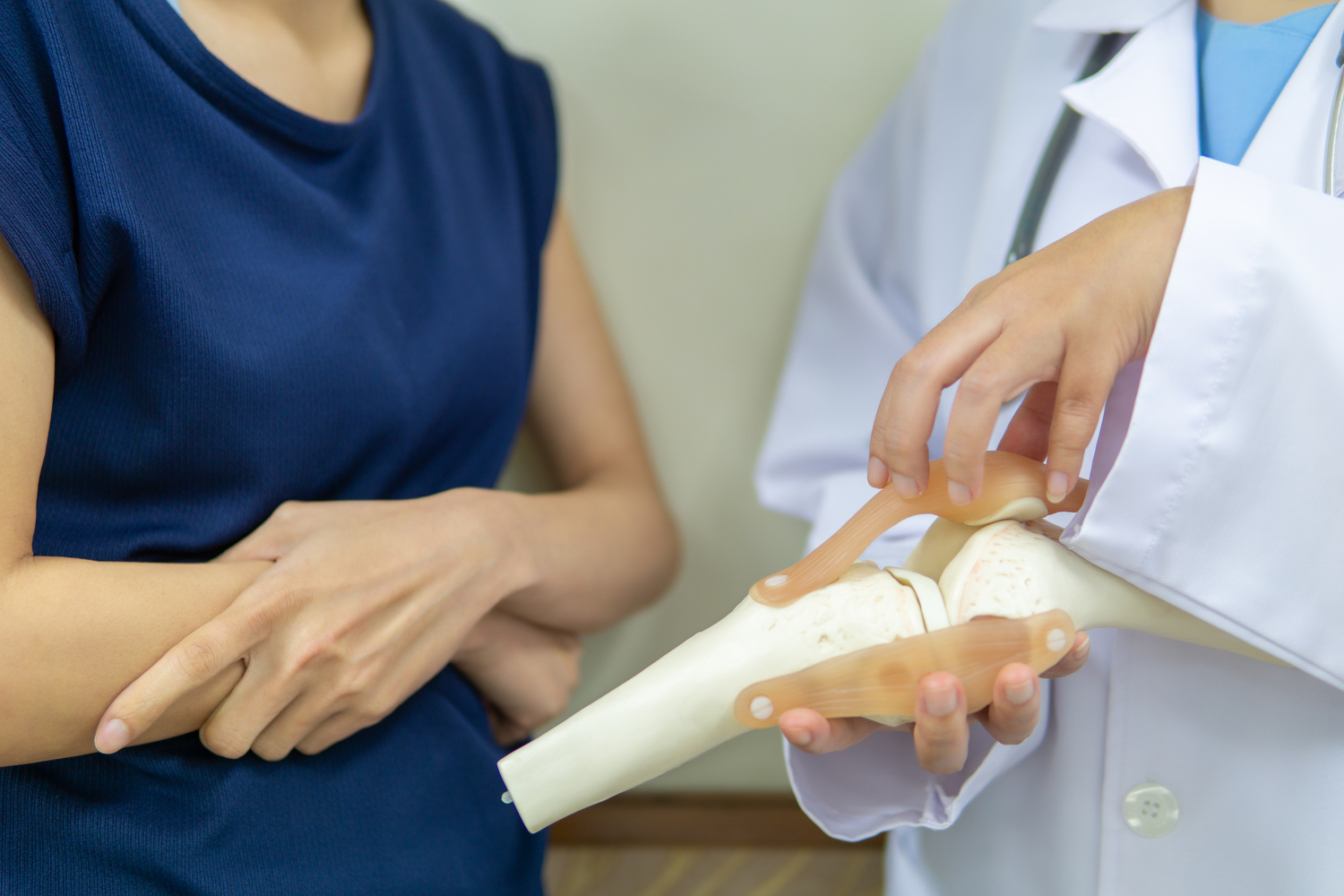
Joint replacement surgery can significantly improve your quality of life by reducing pain and restoring mobility. Whether you’re preparing for a hip, knee, shoulder, or other joint replacement, proper preparation is key to a successful outcome and smooth recovery. This guide will walk you through everything you need to know to get ready for your procedure.
Understanding Your Surgery
Joint replacement involves removing damaged cartilage and bone from your joint and replacing it with artificial components made of metal, plastic, or ceramic. The most common procedures are hip and knee replacements, but shoulder, ankle, and other joints can also be replaced when conservative treatments no longer provide relief.
Your surgeon will explain the specific type of replacement you’ll receive, whether it’s a total or partial replacement, and what to expect during the procedure. Don’t hesitate to ask questions about the surgical approach, the type of implant, and expected outcomes.
Pre-Surgery Medical Preparation
Medical Clearance
Your surgical team will likely require several medical evaluations before your procedure:
- Complete physical examination with your primary care physician
- Blood work to check for anemia, infection, and organ function
- Electrocardiogram (EKG) to assess heart health
- Chest X-ray to evaluate lung function
- Additional tests as needed based on your medical history
Medication Management
Review all your medications with your healthcare team:
- Some medications may need to be stopped before surgery, particularly blood thinners
- Your doctor may prescribe antibiotics to take before surgery
- Continue taking prescribed medications unless specifically told to stop
- Inform your team about all supplements and over-the-counter medications
Dental Health
Complete any necessary dental work at least two weeks before surgery. Dental infections can spread to your new joint, so maintaining good oral hygiene is crucial both before and after surgery.
Physical Preparation
Pre-Surgery Exercise
Strengthening the muscles around your joint before surgery can improve your recovery:
- Work with a physical therapist to learn appropriate exercises
- Focus on strengthening your quadriceps, glutes, and core muscles
- Practice using assistive devices like crutches or walkers
- Maintain your overall fitness level within your comfort limits
Weight Management
If you’re overweight, losing even a small amount can reduce surgical risks and improve outcomes. Discuss realistic weight loss goals with your healthcare team.
Smoking Cessation
If you smoke, quit at least six weeks before surgery. Smoking impairs healing and increases the risk of complications. Ask your doctor about smoking cessation programs and aids.
Home Preparation
Creating a Recovery-Friendly Environment
Prepare your home for your return from the hospital:
- Clear pathways of rugs, electrical cords, and clutter
- Install safety equipment like grab bars in bathrooms and shower chairs
- Arrange furniture to create clear walking paths
- Stock up on essentials so you won’t need to shop immediately after surgery
- Prepare a recovery area on the main floor if possible, with easy access to bathroom and kitchen
Essential Equipment
Consider renting or purchasing helpful items:
- Raised toilet seat
- Shower chair or bench
- Long-handled shoehorn and sock aid
- Reacher or grabber tool
- Ice packs
- Comfortable, supportive pillow
Meal Planning
Prepare and freeze meals in advance, or arrange for meal delivery or help from family and friends. Focus on nutritious options that support healing, including:
- Lean proteins for tissue repair
- Fruits and vegetables for vitamins and minerals
- Whole grains for sustained energy
- Plenty of water for hydration
Planning Your Support System
Immediate Post-Surgery Care
You’ll need someone to:
- Drive you to and from the hospital
- Stay with you for at least the first 24-48 hours after returning home
- Help with daily activities like cooking, cleaning, and personal care
- Assist with medication management
- Provide transportation to follow-up appointments
Extended Support
Consider arranging help for:
- Grocery shopping and meal preparation
- Household chores and laundry
- Pet care
- Assistance with physical therapy exercises
Financial and Practical Considerations
Insurance and Costs
- Verify your insurance coverage for the procedure, hospital stay, and rehabilitation
- Understand your out-of-pocket costs
- Check coverage for post-surgery equipment and physical therapy
- Arrange time off work and understand your disability benefits if applicable
Transportation
- Arrange rides to follow-up appointments
- You won’t be able to drive immediately after surgery, especially if it involves your right leg
- Consider ride-sharing services or medical transport if family help isn’t available
Mental and Emotional Preparation
Managing Anxiety
It’s normal to feel anxious about surgery. Consider:
- Joining support groups for joint replacement patients
- Speaking with others who’ve had similar procedures
- Practicing relaxation techniques like deep breathing or meditation
- Discussing concerns with your healthcare team
Setting Realistic Expectations
Understand that recovery is a process that takes time. While most people experience significant pain relief and improved mobility, full recovery can take several months. Be patient with yourself and celebrate small improvements along the way.
Final Week Preparations
Hospital Arrangements
- Pre-register at the hospital if possible
- Confirm your surgery time and arrival instructions
- Pack a hospital bag with comfortable clothes, personal items, and any required paperwork
- Arrange for someone to handle your responsibilities while you’re away
Last-Minute Details
- Follow all pre-surgery instructions, including fasting requirements
- Take prescribed pre-surgery medications as directed
- Use antibacterial soap as instructed
- Get a good night’s sleep before surgery
- Remove nail polish, jewelry, and contact lenses
What to Expect on Surgery Day
Arrive at the hospital at your scheduled time. You’ll meet with your surgical team, anesthesiologist, and nursing staff. The procedure typically takes 1-3 hours, depending on the complexity. After surgery, you’ll spend time in recovery before moving to your hospital room.
Most joint replacement patients stay in the hospital for 1-3 days. Physical therapy often begins the day of surgery or the next day, helping you start moving safely with your new joint.
Looking Ahead: Early Recovery
Your recovery will involve physical therapy, gradual return to activities, and regular follow-up appointments. Most people see significant improvement in pain and function within 6-12 weeks, with continued improvement over several months.
Remember that joint replacement surgery has a high success rate, with most people experiencing dramatic pain relief and improved quality of life. By preparing thoroughly, you’re setting yourself up for the best possible outcome.
Key Takeaways
- Start preparing weeks before your surgery
- Follow all medical clearance requirements
- Create a safe, comfortable recovery environment at home
- Arrange reliable support from family and friends
- Maintain realistic expectations about the recovery process
- Don’t hesitate to ask questions or voice concerns with your healthcare team
Your joint replacement journey is an investment in your future mobility and quality of life. With proper preparation and a positive attitude, you’ll be well on your way to getting back to the activities you love, free from the pain that brought you to this decision.

WeeklyMinds.com is proud to feature an author who brings a wealth of knowledge and experience to our blog. Weekly Minds is an accomplished freelancer writer with 12 years of experience in the field.
WeeklyMinds.com has a passion for sharing insights and perspectives on political, news, technology, home improvement, interiors and many more. Their unique perspective on current affairs has been featured in numerous publications and they have been a guest speaker at college fests.
WeeklyMinds.com is also an avid interest in writing and reading and enjoys singing, music, shopping, travelling and some more. In their free time, they can often be found of reading the novels and various current topics.
We are thrilled to have Elia Scala as a contributor to WeeklyMinds and look forward to their continued insights and contributions to our blog.