

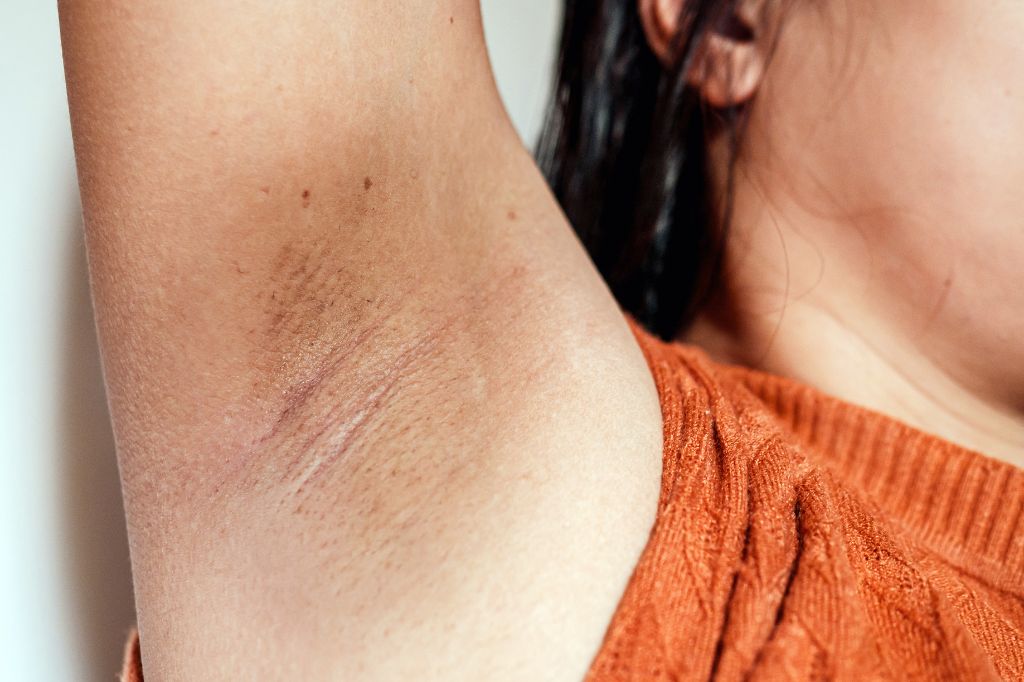
When the sensitive skin in the armpit gets irritated, infected, or reacts to something it touches, it can cause an underarm rash. Some common causes are contact dermatitis from deodorants, soaps, or laundry detergents; friction from shaving or tight clothing; fungal or yeast infections like candida; bacterial infections like erythrasma; heat rash; and long-term skin conditions like eczema, psoriasis, or hidradenitis suppurativa. A rash that won’t go away, hurts, or spreads should always be checked by a doctor or dermatologist because many different problems can look the same.
Contact dermatitis is one of the most common causes of rashes in the armpits. It happens when the skin reacts to an irritant or allergen in everyday things. Some deodorants or antiperspirants (including those with aluminum in some people), new laundry detergents or fabric softeners, and even fragrances and preservatives can cause red, itchy, burning patches. The first thing you should do to get rid of this kind of rash is to stop using any new or questionable products. Instead, use a fragrance-free, hypoallergenic cleanser and deodorant. Also, keep the area clean and dry while your skin heals.
Friction and moisture are also important causes of underarm rashes, especially when it’s hot or when clothes are tight and rub against the skin. Intertrigo is when skin folds rub against each other, which makes the area red, burning, and sometimes cracking. This makes it easier for bacteria or fungi to get into the area. Wearing loose, breathable clothes, gently patting the armpits dry after bathing, using an absorbent powder (if your doctor says it’s okay), and not shaving or rubbing the skin too hard until it heals can help with this.
Fungal and yeast infections, like candida overgrowth or ringworm, love warm, damp places like the underarms. They often cause rashes that are very itchy, red, or discolored, and sometimes they are scaly. These usually need antifungal creams or powders, which can be bought over the counter or with a prescription, for the full recommended course. Good hygiene, cool, dry skin, and avoiding tight synthetic fabrics that trap sweat are also important. If the rash hurts a lot, has pus, or doesn’t get better after a week or two of antifungal treatment, a doctor should look for mixed infections or another cause.
Infections caused by bacteria, such as erythrasma or folliculitis, can also affect the armpits. These infections can cause patches that are different colors, pimples, or pustules, and they may smell bad or be painful. These conditions often need to be checked out by a doctor and treated with certain oral or topical antibiotics. If you try to treat them yourself with random creams, you might not get the right care right away. Conditions like hidradenitis suppurativa or psoriasis can cause bumps, abscesses, and thickened plaques to come back in the underarms. These conditions usually need a longer-term plan with a dermatologist that includes prescription medicines and lifestyle changes like quitting smoking and losing weight if needed.
Daily habits are just as important as treatment when it comes to getting rid of underarm rashes and keeping them from coming back. Using lukewarm water and mild, fragrance-free soap to wash your skin, drying it well but gently, and wearing loose, breathable cotton or moisture-wicking fabrics can help reduce irritation and sweat build-up. To lower the risk of getting rashes in the future, you can patch-test new deodorants or body products on a small area first, not share razors or towels, replace old razors often, and be extra careful in hot, humid weather. If you have a rash that hurts a lot, spreads quickly, is accompanied by a fever, or doesn’t get better after a week of sensible home care, you should see a doctor right away to rule out more serious causes and get the right treatment.