

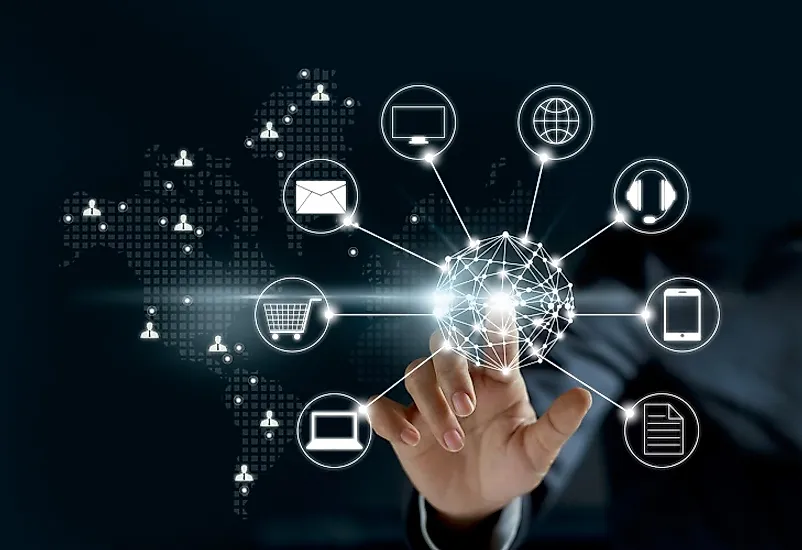
Technology, Media, and Telecommunications (TMT) are three areas that are very important to the modern world. They are the main parts of the global digital economy, and they affect how people talk to each other, use content, do business, and live their daily lives. As industries change quickly due to new technologies, TMT keeps changing economic models, changing what consumers expect, and making the world more connected than ever before.
The Growth of the TMT Ecosystem
The TMT ecosystem has changed in a way that has never happened before in the last 20 years. Technology companies have changed from making basic hardware and software to being major drivers of global innovation. The media industry has moved into the digital age with streaming, social media, and interactive platforms. It used to be all about print and broadcast. Telecommunications used to only let you make voice calls and send text messages. Now, though, they offer super-fast data networks that make digital services available to everyone. These sectors work together to create a dynamic and interdependent network that brings about changes in both the economy and society.
Technology: The Heart of New Ideas
The TMT framework is still based on technology. New technologies like AI, ML, blockchain, cloud computing, and the Internet of Things (IoT) are changing every part of modern life. Companies depend on new technologies to boost productivity, make things run more smoothly, and create smarter goods and services. The world is moving toward automation, digitalization, and green technologies, which is forcing businesses to use new tools that improve performance and cut costs. Also, new developments in quantum computing and 5G networks promise to make data processing and connectivity faster than ever before.
The Evolution of Media Content and Engagement
There has been a digital revolution in the world of media. Digital platforms that offer on-demand, interactive, and personalized content have mostly taken the place of or combined with traditional media like newspapers, TV, and radio. Netflix, YouTube, and Spotify are some of the biggest streaming services that have changed how people watch movies and TV shows. Instagram, X (formerly Twitter), and TikTok are some of the biggest social media sites that have turned regular people into global content creators. AI now powers recommendation algorithms, improves content creation, and makes targeted advertising possible. This makes the media industry more data-driven than it has ever been. This digital change has also made it easier for people and organizations to get information, letting them reach people without the need for traditional gatekeepers.
Telecommunications: Making the World Smaller
Telecommunications is the most important thing in the digital age. 5G technology has made connections faster and more reliable than ever before. This has made things like smart cities, self-driving cars, and remote healthcare possible. To meet the growing global need for high-speed data, telecom companies are putting a lot of money into fiber-optic networks, satellite internet, and cloud-based communication systems. Japan recently set a world record for internet speed, reaching over 1 petabit per second. This shows how far telecom research has come. These improvements not only make it easier for people and businesses to communicate with each other around the world, but they also make it easier for them to do business across borders, which boosts economic growth and digital inclusion.
The Coming Together of TMT
The convergence of technology, media, and telecommunications is what makes them so powerful. As these sectors rely on each other more and more, the lines between them are becoming less clear. For example, technology makes it possible to share digital media, telecommunications keeps people connected, and media gives both industries the content they need to grow. Streaming platforms are a great example of this synergy. They use technology, fast networks, and creative media production to give billions of users around the world smooth experiences. This convergence is pushing new ideas in areas like virtual reality (VR), augmented reality (AR), and the metaverse, where digital environments that are immersive combine communication, entertainment, and shopping.
There will be both problems and chances in the future.
Even though the TMT sectors are growing quickly, they still have a lot of problems to deal with, such as privacy issues, cyber threats, regulatory pressures, and digital inequality. As more people get connected, it’s more important than ever to have ethical technology governance and responsible media practices. But these problems also create chances for new ideas and growth. The growth of green technology, AI-driven analytics, and eco-friendly communication systems is helping the industry find a balance between making progress and being socially and environmentally responsible. More and more, businesses and governments are working together to make sure that new technologies help everyone in society.
The Future of TMT
The future of the Technology, Media, and Telecommunications sector is full of possibilities. Data processing and connectivity will get faster, safer, and more efficient as artificial intelligence gets smarter and quantum computing picks up speed. The combination of 6G, edge computing, and immersive media technologies will bring about a new age of hyper-connectivity that will change industries from education and healthcare to entertainment and finance.
In short, the three main forces behind the 21st century’s digital revolution are technology, media, and telecommunications. Their cooperation is making the world a more connected, smart, and informed place. The TMT sector will always be at the forefront of global progress, connecting people, ideas, and opportunities from all over the world as innovation continues to push the limits.

WeeklyMinds.com is proud to feature an author who brings a wealth of knowledge and experience to our blog. Weekly Minds is an accomplished freelancer writer with 12 years of experience in the field.
WeeklyMinds.com has a passion for sharing insights and perspectives on political, news, technology, home improvement, interiors and many more. Their unique perspective on current affairs has been featured in numerous publications and they have been a guest speaker at college fests.
WeeklyMinds.com is also an avid interest in writing and reading and enjoys singing, music, shopping, travelling and some more. In their free time, they can often be found of reading the novels and various current topics.
We are thrilled to have Elia Scala as a contributor to WeeklyMinds and look forward to their continued insights and contributions to our blog.