

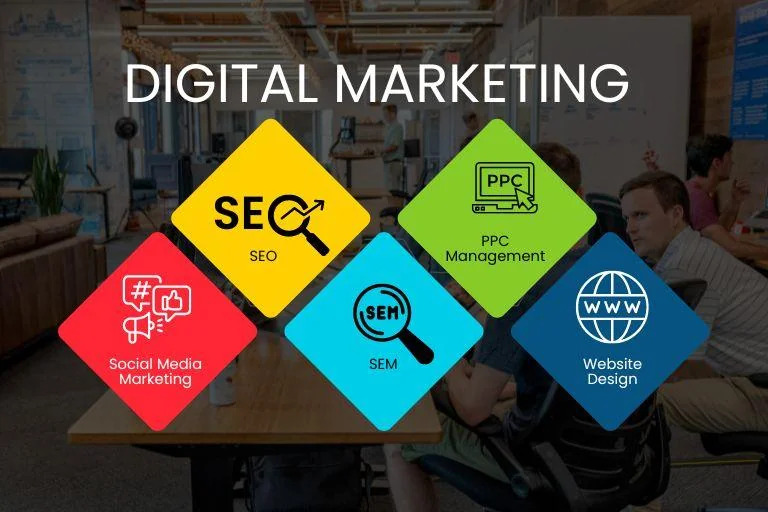
In today’s highly competitive world, having a strong online presence is more than just a nice thing to have; it’s a must. All businesses, big and small, have to make the same choice: should they hire their own marketing team or hire a digital marketing agency? Both paths have their own pros and cons. A digital marketing agency is like a force multiplier because it brings in outside experts and specialized tools. But this convenience comes with its own set of trade-offs, especially when it comes to cost and control.
A business needs to carefully weigh the pros and cons of outsourcing a key business function before making a decision. This in-depth article goes into detail about the main pros and cons of hiring a digital marketing agency.
The Pros: Why Outsourcing Makes Sense
Digital marketing agencies are set up to provide specialized, effective, and scalable marketing solutions. They have a lot of benefits that are hard for most in-house teams to copy.
1. Access to a wide range of skills and specialized knowledge
The world of digital marketing is huge and always changing. It includes things like Search Engine Optimization (SEO), Pay-Per-Click (PPC) advertising, social media marketing, content creation, email marketing, and advanced data analytics. Most companies can’t afford to hire separate experts for each of these areas in-house, and it’s also hard to do so logistically.
A full-service agency gives you quick access to a wide range of experts. You’re not just hiring one generalist; you’re using a whole department of experts who are passionate about their areas of expertise. This specialization often leads to better work, faster identification of the best strategies, and campaigns that are based on experience from many different fields.
2. More cost-effective and better return on investment (ROI) potential
Even though agency fees may seem high, they are often cheaper than hiring and managing your own team. The cost of hiring an employee goes beyond just their salary. It also includes benefits, taxes, hiring, training, office space, and subscriptions to specialized software.
Most agencies charge a set fee for their services, which makes it easier to plan your budget. They already own and know how to use expensive, cutting-edge marketing tools and software, such as SEMrush, HubSpot, or advanced analytics platforms. Companies can use these tools and get the knowledge to use them well without having to spend a lot of money up front. This often leads to the best Return on Investment (ROI) through efficient, data-driven execution.
3. The ability to grow, change, and get things done quickly
The needs of a marketing team can change a lot, especially when new products come out, during busy times of the year, or when the market is unstable. An in-house team can only do so much because of how many people it has, which makes it hard to quickly scale up or down. Hiring and training new people to join an internal team can take a long time and cost a lot of money.
Agencies are made to be flexible and grow. They can quickly add more resources (people, money, time) to a high-priority campaign or quickly cut back during slower times, and the client doesn’t have to worry about layoffs or restructuring. They often get campaigns up and running faster because of their established internal processes and dedicated teams.
4. A new, unbiased point of view
When internal teams are very involved in the day-to-day running of a business, they can sometimes get “tunnel vision.” Too much familiarity can make you stop being creative, use the same old strategies, or not see your blind spots.
An outside group can give you a new, unbiased look at your brand and market. They don’t have to deal with office politics or old ideas. Working with clients from a wide range of industries gives them access to a steady stream of new ideas and best practices. This outside view can help you come up with new creative ideas and find chances that your internal team might miss.
5. Keep your mind on your core business functions
When a company outsources its digital marketing, its leaders and employees can focus on their main tasks, like making new products, selling them, helping customers, and running the business. A company can focus its internal energy where it matters most for long-term growth by hiring an agency to handle the time-consuming tasks of content calendars, ad campaign management, performance tracking, and algorithm updates.
The Cons: The Problems That Come With Outsourcing
There are many benefits to hiring an outside agency, but there are also some problems, mostly with communication, control, and cost transparency.
1. Less control and openness
When you hire someone else to do your marketing, you have to give up some control over how it is done every day and where it is going in the long run. An agency works on its own, so its processes and timelines may not always match up perfectly with how fast your company works. This can be annoying, especially for founders or marketing managers who like to be involved.
Also, even though agencies send reports, the client may not be able to see the raw data or real-time performance dashboards as easily, which can make it seem like there isn’t enough transparency about the real work and strategic decisions that were made.
2. There may be gaps in communication and feedback loops that take longer.
When you work with someone outside of your company, there is a layer of separation that can make it hard to talk to them and make them respond quickly. Agencies have to work with a lot of different clients, so they can’t give your business all of their time. Different time zones, fewer in-person meetings, and relying on email can all make it harder to understand campaign goals, creative direction, or urgent changes.
Setting clear expectations is important for good communication, but it takes a lot of time and effort at the beginning of the partnership.
3. Not knowing enough about the brand and the industry
An in-house employee knows your brand, internal culture, products, and industry better than any outside partner. It takes a lot of time and effort for an agency to fully understand your unique value proposition, the differences between your target audience, and the competitive landscape.
At first, there is a chance that the agency will make content or campaigns that are “off-brand” or don’t have the real voice that your core customers connect with. The client needs a lot of help and correction during this first phase.
4. Conflicts over priorities and competition among clients
A digital marketing agency has to split its time and money between its clients. If your business is one of the smaller ones, there is a chance that your projects will be put on hold in favor of clients who pay more or are more well-known. This can cause deadlines to be missed or make you feel like your business isn’t getting the attention it needs, especially during important campaign times.
5. High Upfront Costs and Contractual Limitations
The initial costs of hiring a high-quality agency can be a big problem for small businesses, even though it might save them money in the long run. Agencies usually want long-term contracts (like 6 or 12 months) and monthly retainers that can’t be changed. Also, be careful of contracts that don’t have clear “early cancellation” clauses or that have hidden fees for services that aren’t clearly listed in the original agreement. These can quickly make the deal seem less cost-effective.
In conclusion, making the right choice
It’s not about which is objectively “better” when it comes to choosing between a digital marketing agency and an in-house team. It’s about which one is the best fit for your company’s needs, budget, and stage of growth.
An agency is a great strategic partner for a fast-growing business that needs quick access to a wide range of specialized talent, advanced tools, and the ability to quickly scale up without the costs of hiring. They have the knowledge to carry out complicated, multi-channel plans and the objectivity to come up with creative ideas.
But a business that wants complete control, deep brand integration, quick internal feedback, and lower variable costs over the long term might be better off with a dedicated in-house team.
Doing your homework is the most important thing you can do to work well with a digital marketing agency. Businesses need to carefully check out potential partners, paying close attention to how open they are, how well they have done in their field, and, most importantly, how they can set up clear communication rules, measurable Key Performance Indicators (KPIs), and a base of trust between them. You can use an agency’s expertise to help you deal with the difficulties of the digital world by weighing the pros and cons against your business goals.

WeeklyMinds.com is proud to feature an author who brings a wealth of knowledge and experience to our blog. Weekly Minds is an accomplished freelancer writer with 12 years of experience in the field.
WeeklyMinds.com has a passion for sharing insights and perspectives on political, news, technology, home improvement, interiors and many more. Their unique perspective on current affairs has been featured in numerous publications and they have been a guest speaker at college fests.
WeeklyMinds.com is also an avid interest in writing and reading and enjoys singing, music, shopping, travelling and some more. In their free time, they can often be found of reading the novels and various current topics.
We are thrilled to have Elia Scala as a contributor to WeeklyMinds and look forward to their continued insights and contributions to our blog.