

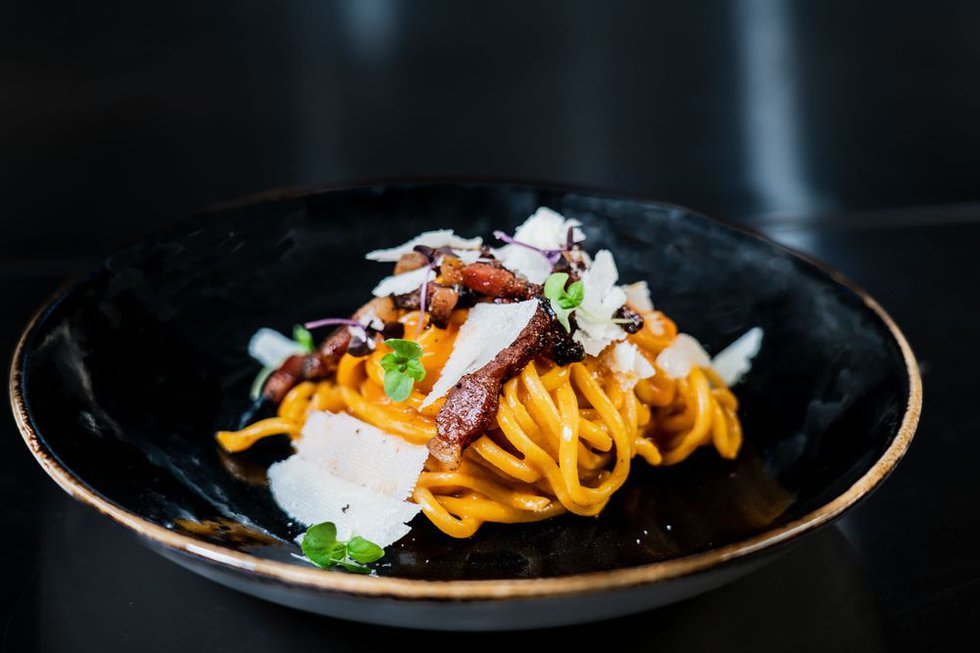
What truly defines an authentic Italian restaurant? It’s a blend of several elements, each contributing to a vibrant culinary experience. At the heart of it all are the recipes themselves. Real Italian cooking is rooted in history and regional differences. Every dish usually has a backstory, handed down through the years, often keeping the same ingredients that highlight the local way of life.
Regional ingredients are also essential. Italy’s varied landscape produces some of the best herbs, vegetables, dairy, and meats.
Authentic Italian establishments place considerable emphasis on procuring specific ingredients to faithfully represent the original flavors of each dish. A Neapolitan pizzeria, for example, will utilize San Marzano tomatoes and mozzarella di bufala, thereby showcasing the unique characteristics of its geographical area.
Furthermore, cooking methodologies are crucial in establishing authenticity. Traditional Italian culinary practices frequently prioritize techniques such as slow cooking, wood-fired preparation, and the creation of fresh pasta. These established methods necessitate both expertise and time, thereby augmenting the overall dining experience. Chefs educated in authentic Italian cuisine generally draw upon their cultural background, preparing dishes that conform to established culinary principles while allowing for seasonal variations.
Ultimately, the culinary legacy inherent in Italian cuisine is of paramount importance.
This heritage is not merely about food; it encompasses a lifestyle, emphasizing family and community around the dining table. Authentic Italian restaurants often celebrate this aspect, creating a warm and inviting atmosphere where guests can enjoy homemade meals that evoke a sense of belonging.
In conclusion, the authenticity of an Italian restaurant hinges on the delicate balance of traditional recipes, regional ingredients, skilled cooking techniques, and a deep-seated culinary heritage. Together, these elements create a genuine dining experience that reflects Italy’s rich cultural and historical legacy.
Exploring the Menu: Signature Dishes of Authentic Italian Cuisine
Authentic Italian cuisine is celebrated for its vibrant flavors and use of fresh ingredients, and the menu of an Italian restaurant often serves as a reflection of this culinary heritage. One cannot discuss this rich culinary tradition without mentioning the renowned fresh pasta, which is a staple in many Italian households.This central dish, varying from region to region, is often homemade and comes in various shapes, such as tagliatelle, orecchiette, or gnocchi. Each preparation reflects the local culture and ingredients, providing diners with a unique taste of Italy.
Moreover, wood-fired pizzas hold a prestigious position within Italian gastronomy. The traditional Neapolitan pizza, characterized by its thin, crispy crust and high-quality toppings, showcases a harmonious blend of simple ingredients such as San Marzano tomatoes, fresh mozzarella, and basil. The art of pizza-making, from kneading the dough to achieving the perfect char on a wood-fired oven, exemplifies the dedication to craftsmanship found in authentic Italian restaurants.
In addition to these staple dishes, regional specialties play a crucial role in crafting an authentic experience. For example, the rich, creamy risottos of Northern Italy contrast sharply with the light, tomato-based seafood recipes found along the southern coasts.Seasonal menus are essential; they showcase local ingredients at their most vibrant. This approach enhances the dishes’ flavors, inviting guests on a sensory exploration that mirrors the Italian countryside.
Ultimately, a look at a genuine Italian restaurant’s menu reveals a deep dedication to quality and heritage. Each signature dish is an opportunity to experience the stories and traditions of Italian cooking, transforming every meal into a special event.
The Dining Experience: Atmosphere, Service, and Italian Heritage
Dining at a true Italian restaurant is a complete experience, engaging not just the taste buds but also the senses and the soul. The atmosphere is key to creating this culinary journey. Authentic Italian restaurants frequently endeavor to mirror Italy’s profound cultural legacy, frequently employing rustic aesthetics. These establishments often feature warm hues, vintage imagery, and natural elements such as wood and stone. This design approach cultivates an inviting environment, encouraging patrons to savor their meals at a leisurely pace, akin to the Italian dining experience.
Service within Italian restaurants frequently adopts a familial tone, with staff members taking pride in customizing the dining experience. Waitstaff are generally well-versed in the menu, frequently suggesting dishes and wine pairings that enhance the meal. This level of attentiveness stems from a deeply rooted cultural value system that prioritizes interpersonal relationships and hospitality. In numerous instances, dining in Italy transcends the mere consumption of food, representing a shared moment with loved ones. This cultural perspective is mirrored in many authentic Italian restaurants, where service contributes significantly to the overall dining experience.
The customs of Italian dining add another layer to the enjoyment. You’ll likely observe the practice of savoring each dish, which fosters conversation and strengthens the bonds between those at the table. Meals are frequently served family-style, cultivating a feeling of togetherness. Italian culture holds food in high regard, and this reverence is clear in the way it’s presented and served. By participating in these traditions, diners can understand that eating at a genuine Italian restaurant is about more than just eating; it’s an invitation to join in a beloved ritual that honors life, family, and community.
Finding the Best Authentic Italian Restaurants: Tips and Recommendations
If you’re looking for the best authentic Italian restaurants, whether at home or abroad, there are a few important things to keep in mind.
First, take a good look at the menu. A real Italian restaurant will have a selection that highlights regional specialties and time-honored recipes. Seek out menus that proudly display handmade pastas, fresh seafood, and ingredients sourced locally. If you see Osso Buco from Lombardy or Arancini from Sicily, you’re probably in for a genuine culinary treat.
Another key element is the inclusion of regional dishes. Italy’s culinary scene is incredibly varied, with each region offering its own distinct flavors and cooking techniques. For example, if a restaurant features dishes from Lazio, such as Carbonara or Saltimbocca, it’s a strong sign they’re committed to authenticity. Consider whether the restaurant emphasizes the specific regions its dishes come from; this can be a good sign of its dedication to authentic Italian food.
Also, using online reviews and recommendations from people you know can really help. Websites like Yelp and TripAdvisor offer a glimpse into what others have experienced, helping you find places that might not be well-known. Pay attention to reviews that talk about real ingredients and traditional cooking techniques; these can be a good indicator of a restaurant’s genuine approach to Italian cuisine.
Finally, don’t be afraid to look into the food of less famous Italian regions. Places like Umbria and Abruzzo might have their own special takes on classic dishes that are often missed in favor of more popular areas like Tuscany or Campania. Talking to locals or staff who know their stuff can lead to some surprising flavors and dishes that aren’t the usual fare.