

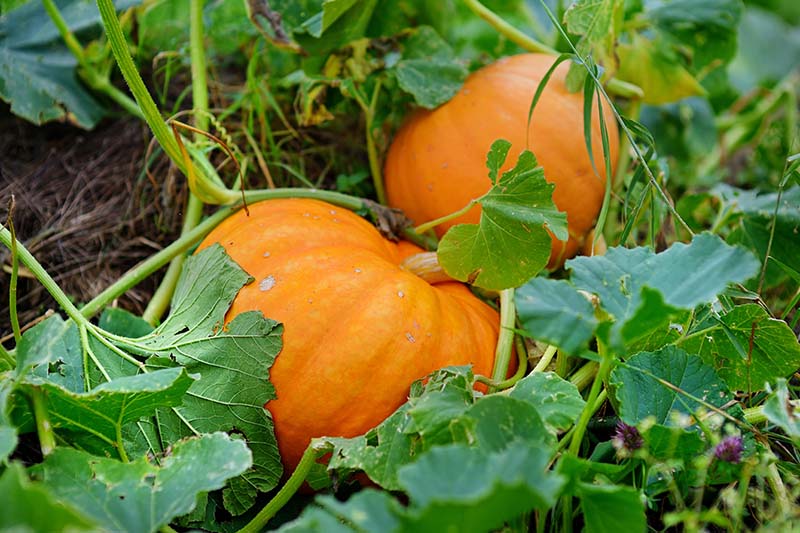
Choosing the Right Type of Pumpkin
When choosing the right pumpkin for your yard, you should think about what you want to do with it, like carving it, baking it, or decorating it. Different types of pumpkins have different traits that meet these needs. For example, the classic Jack-o’-lantern pumpkin is known for its bright orange color and strong skin, which makes it a great choice for carving detailed designs on Halloween. You can easily scoop it out because it is big and hollow. You can find it in most gardening centers.
The Sugar Pie pumpkin is a great choice for people who like to bake. This type is smaller and tastes sweeter than Jack-o’-lanterns. Sugar Pie pumpkins make a great puree because their flesh is smooth and fine. This puree is great for pies, soups, and other dishes. This type also grows quickly and does well in cooler climates, which is why home bakers love it.
The White Ghost pumpkin is another interesting option. This pumpkin is great for decorating because of its unique, light color. Its eye-catching look can make seasonal displays better and give traditional fall decorations a new look. When choosing the right variety, think about your local climate, since some types may do better in certain growing conditions. It’s important to get seeds from trusted sources because seeds of high quality are more likely to sprout and grow into healthy plants. Find gardening stores with good reviews or certified seed catalogs. This will make sure that the seeds you buy are right for your gardening zone.
In conclusion, knowing the differences between different types of pumpkins will help you make a choice that fits your gardening goals, the weather where you live, and your own tastes.
Getting Your Garden Ready to Plant Pumpkins
The first step to growing pumpkins in your backyard is to carefully prepare the garden. First, you need to find a good spot that gets a lot of sunlight. Pumpkins grow best when they get at least six to eight hours of direct sunlight every day. Choosing a spot that drains well will also keep the ground from getting too wet, which can hurt the growth of pumpkins.
Next, it’s important to check the quality of the soil. Pumpkins like loamy soil that has a lot of organic matter in it. You can find out the pH levels and nutrient content of the soil by doing a soil test. For the best growth, the pH should be between 6.0 and 6.8. You can make any changes you need based on what you learned from the soil test. Using compost is very helpful because it improves the structure of the soil, adds important nutrients, and helps the soil hold onto moisture better.
When you make a plan for planting, think about how far apart pumpkin plants should be. Most of the time, bigger pumpkins need at least 20 to 30 square feet of space for each plant. Smaller pumpkins may not need as much space. Good spacing helps air flow and lowers the chance of fungal diseases. Also, if you’re planting big varieties, think about using support structures like trellises to help control the vines and promote healthy growth.
Doing these things ahead of time will help you have a successful pumpkin harvest. If you pay attention to the quality of the soil, how much sunlight the plants get, and how far apart they are, your backyard garden will have healthy plants and a good growing season. The preparation phase is very important to make sure your pumpkins grow well for carving, baking, and decorating as the season gets closer.
How to Grow and Take Care of Your Pumpkins
To grow pumpkins successfully, you need to take good care of them and pay attention to them all the time. Proper watering is one of the most important parts of taking care of pumpkins. Pumpkins need a lot of water all the time, but especially when they are growing and when the fruit is forming. Try to give about an inch of water each week, but change it up if it rains. Watering in the early morning is better because it lets the soil soak up moisture better, which lowers the risk of fungal diseases.
Putting mulch around the base of pumpkin plants does a lot of things, like keeping moisture in, controlling temperature, and stopping weeds from growing. Straw or shredded leaves are two examples of organic mulches that work very well. These materials also break down over time, adding nutrients to the soil and providing a home for helpful bugs that help control pests.
When it comes to growing pumpkins, it’s important to keep pests under control. Aphids, squash bugs, and cucumber beetles are some of the most common pests that can hurt your plants. Check your pumpkin leaves often for signs of pests. Using organic pesticides or adding natural predators like ladybugs can help keep the balance without hurting helpful insects. Also, keeping the leaves dry while watering will lower the risk of fungal diseases.
Another important part of taking care of pumpkins is fertilizing them. Using a balanced fertilizer when you plant and again when the plants start to vine can help them grow quickly. If you choose a fertilizer with more phosphorus, it can help the plants bloom and bear fruit, which will lead to bigger harvests.
If you notice that your plants’ leaves are turning yellow or their growth is slowing down, you need to check how much food and water they are getting. Changing these things can often fix problems like this. Using these methods to help pumpkins grow their best not only makes them healthier, but it also helps you get a better harvest for carving, baking, and decorating.
Picking and using your pumpkins
To get the best flavor and quality for different uses, it’s important to pick pumpkins at the right time. When the skin is hard and hard to pierce with your fingernail, pumpkins are usually ready to be picked. A deep, solid color is another sign that something is ripe. When the stem of the pumpkin turns dry and brown, it’s time to cut the fruit from the vine. When picking pumpkins, it’s best to use sharp shears so you don’t hurt the pumpkin or the vine. This will keep your garden in good shape.
To keep your pumpkins fresh for longer, you need to handle them correctly after harvesting. Keep them somewhere cool and dry, with good air flow if possible. Don’t stack pumpkins to lower the chance of bruising. There are many fun ways to use your pumpkins when you are ready. Carving pumpkins for Halloween is a classic tradition. Try different ways to carve them besides the classic jack-o’-lantern. You can make unique and complex displays by using carving tools, stencils, or even painting to make them.
Pumpkins can be used in many ways besides just for decoration. You can make pumpkin puree at home by roasting the flesh and then blending it until it’s smooth. It’s great for making pies, bread, or muffins. Pumpkin soup and pumpkin pancakes are two other popular recipes that showcase the sweet and savory flavors of this fall vegetable. If you’re feeling brave, you could use pumpkin seeds in salads or roast them as a snack. This is a healthy way to enjoy all the parts of your harvest.
Getting involved with your pumpkin harvest can be a lot of fun and a great way to celebrate the season in a creative and useful way. There are many ways to use your pumpkins, such as carving, baking, or decorating them. This makes your pumpkin harvest a great fall activity.

WeeklyMinds.com is proud to feature an author who brings a wealth of knowledge and experience to our blog. Weekly Minds is an accomplished freelancer writer with 12 years of experience in the field.
WeeklyMinds.com has a passion for sharing insights and perspectives on political, news, technology, home improvement, interiors and many more. Their unique perspective on current affairs has been featured in numerous publications and they have been a guest speaker at college fests.
WeeklyMinds.com is also an avid interest in writing and reading and enjoys singing, music, shopping, travelling and some more. In their free time, they can often be found of reading the novels and various current topics.
We are thrilled to have Elia Scala as a contributor to WeeklyMinds and look forward to their continued insights and contributions to our blog.