

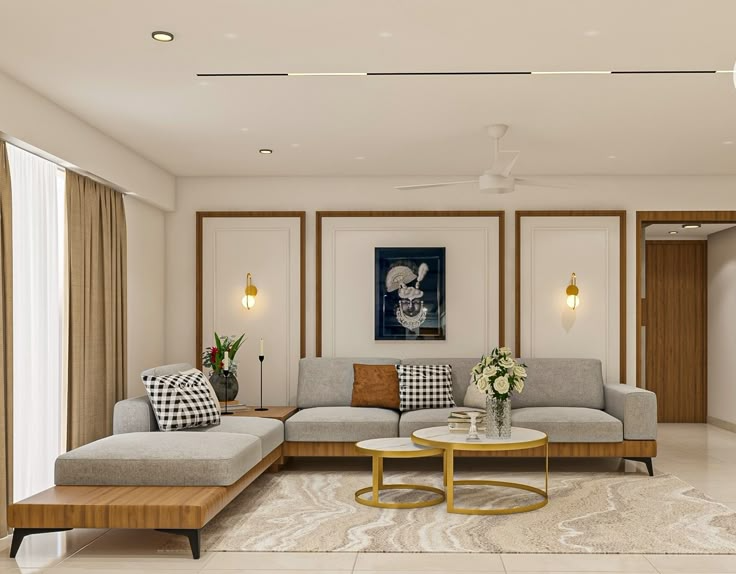
Clearly understanding how an interior designer thinks and works is just what you need to experiment with home design and think differently about your layout. The problem is, too few guides online show you actual advice.
Of course, you get to see the room results and a few mediocre tips, but nothing about the decision-making and what other things were done in. In this blog post, we will help you with your residential interior design expedition to support those of you who are currently designing a room.
We hope these tips help you, but by all means, come and further your knowledge on design with our experts at EHKA Studio. Keep reading below for actionable points you can apply to your design plans today, which will edge you closer to making confident decisions for your residence.
Use Mood Boards To Define Your Design Concept
A crucial step in designing any space is defining your design concept. It is somehow of an elevator pitch for the look and feel you are aiming to realize. A strong concept offers you a framework for every decision, allowing your choices to work together to create a cohesive, harmonious result.
One of the biggest mistakes you can make is confusing a design concept with a theme. Remember, your concept needs to guide you, not dictate every detail. Take it too literally and a room can drift into theme territory, feeling forced rather than thoughtfully curated. Well, you don’t want to deal with that. A good way to define your concept is by creating mood boards.
Clarify What You Will Splurge And Save On Early On
When it comes to the perfect residential interior design, it is important that you spread your budget wisely for the best results. You can only start by investing in big-ticket items that make up 50% of the visuals of the room, such as flooring and large pieces of furniture. Save on the smaller items such as mirrors, lamps, and home accessories. Clarifying how you’ll spread your budget offers you a higher impact transformation.
Handling your residential interior design project in Singapore doesn’t call for stress every time. Now more than ever, you have a host of different avenues to follow when looking to make this happen. And one such avenue entails partnering with experienced interior designers in Singapore.

WeeklyMinds.com is proud to feature an author who brings a wealth of knowledge and experience to our blog. Weekly Minds is an accomplished freelancer writer with 12 years of experience in the field.
WeeklyMinds.com has a passion for sharing insights and perspectives on political, news, technology, home improvement, interiors and many more. Their unique perspective on current affairs has been featured in numerous publications and they have been a guest speaker at college fests.
WeeklyMinds.com is also an avid interest in writing and reading and enjoys singing, music, shopping, travelling and some more. In their free time, they can often be found of reading the novels and various current topics.
We are thrilled to have Elia Scala as a contributor to WeeklyMinds and look forward to their continued insights and contributions to our blog.