

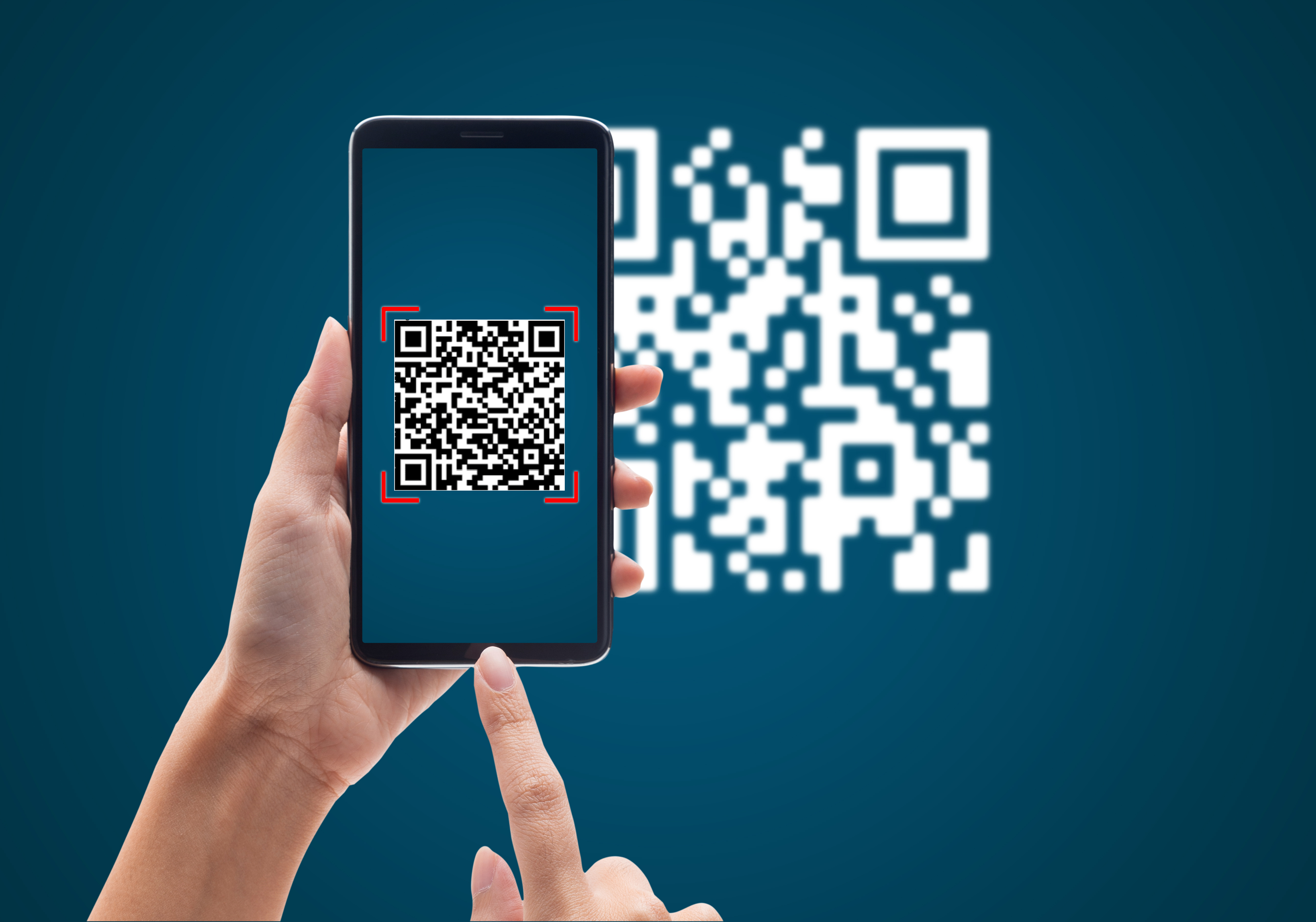
What does a QR Code mean?
A QR code, which stands for “Quick Response code,” is a type of two-dimensional barcode that stores information so it can be quickly accessed and scanned. Denso Wave, a subsidiary of Toyota, came up with these codes in 1994 to make tracking easier in manufacturing and logistics. QR codes can be scanned from any angle and hold a lot more information than traditional one-dimensional barcodes, which only hold a small amount of data and need to be scanned in a certain way. This makes them perfect for a wide range of uses.
On a white grid, black squares make up the structure of a QR code. It has a finder pattern, an alignment pattern, a timing pattern, and format information, which help scanners read the data quickly. When scanning, the finder patterns at three corners of the code help devices quickly find and point the QR code in the right direction. QR codes can also have error correction features that let them be scanned even if they are only partially damaged.
QR codes have come a long way. They started out as a tool used only in factories, but now they are widely used in marketing, payments, and sharing information. The fact that most people now have smartphones with cameras has made it easier for them to scan QR codes, which has led to their rise in popularity in many areas. To get to links, videos, or other types of data that are encoded in a QR code, all users have to do is point their device’s camera at the code. This quickness and ease of use have opened the door to new marketing methods and smooth user experiences, showing how flexible QR codes are in the digital world today.
How QR Codes Work
QR codes, which stand for Quick Response codes, work by encoding information in a way that turns it into a unique pattern of black and white squares. A QR code is made up of a grid of modules that can encode different kinds of information, such as URLs, text, and contact information. This change uses algorithms that give each bit of data a binary value so that the information can be shown in two dimensions in a compact way. This means that QR codes can hold a lot of information for their size.
There are two main kinds of QR codes: static and dynamic. Static QR codes have information that doesn’t change, so once they are made, the data inside them can’t be changed. They are often used for things that will last a long time, like packaging for products or printed ads. Dynamic QR codes, on the other hand, let you change the data that is stored in them. These codes are flexible because they link to a URL that can be changed. This makes them perfect for campaigns that may need to change with new information or ongoing promotions.
Usually, software or online apps help make the binary data pattern that makes up a QR code. Choosing the type of QR code, entering the information you want, and finally making the code are all parts of this process. You can scan a QR code with a smartphone or a special reader that has a camera. When you scan a QR code, the device figures out how the modules are arranged so it can get the information that is stored in them.
Also, QR codes can fix mistakes on their own using methods like Reed-Solomon error correction. This feature makes sure that a QR code can still be read correctly even if it is a little damaged or blocked. QR codes are a good way to send information in a lot of different places because they are so strong.
How to Use QR Codes
QR codes have become useful tools in many fields, greatly improving efficiency and customer engagement. They were first used in the automotive industry to keep track of inventory, but their use has grown far beyond that. Today, businesses use QR codes in a variety of marketing strategies to make strong connections with customers by making it easy for them to move from the real world to the digital world.
QR codes are great for marketing because they can connect promotional content directly to people’s smartphones. This lets businesses send people to websites, special deals, or social media sites. For example, a business could put a QR code on the packaging of its products that takes customers to a special online discount. This would increase sales while also giving customers a meaningful way to interact with the business. These codes can also be used to track engagement with printed materials, which can help businesses learn more about what their customers like and how they act.
The retail industry has also seen how QR codes can make shopping easier by giving customers information about products. People can quickly scan codes to get detailed information about products, such as reviews, nutritional information, or care instructions, right from their devices. This not only saves time, but it also gives customers the information they need to make smart buying decisions.
QR codes also make it possible to pay without touching anything, which became very popular during the pandemic. Customers can finish their purchases by scanning a code at the register, which makes shopping faster and safer. They are also widely used for event ticketing, which lets people get into venues without having to show physical tickets. This cuts down on lines and makes attendees happier.
In the end, using QR codes in different industries not only improves the customer experience but also streamlines business processes. This shows how this technology can change things in today’s digital world.
What will happen to QR codes in the future?
As digital technology keeps moving forward at an unprecedented rate, the future of QR codes is expected to be very bright. One of the most important trends is the use of augmented reality (AR) with QR codes. This new combination lets people scan a code and access immersive experiences, which improves marketing strategies and gets people more involved. For example, brands can make virtual showrooms or product demos that people can see with a simple scan. This gives potential buyers a better idea of what the product is like before they buy it.
The rise of mobile payments is another important factor that will shape the future of QR codes. QR codes make it easy for people to buy things with their phones as contactless payments become more common. They make the transaction process easier by providing a quick, safe way to pay that fits with what today’s consumers want: convenience and safety. As more businesses start using mobile payment systems, QR codes will likely become more common for financial transactions. This will make them a must-have in stores and online stores.
But there are still problems that come with the growth of QR code technology. Privacy concerns have become more important because users might not want to interact with codes that could steal their personal information or send them to phishing sites. Because of this fear, we need to focus on safe implementation and teaching consumers how to scan safely. Also, for QR codes to work at their best, they need to be used widely in many fields, such as healthcare and hospitality. To improve operational efficiency and customer experience, businesses need to make this technology a standard part of their work.
QR codes are likely to change in response to these needs as we move forward. Developers might come up with new features like dynamic codes that change content based on where you are or what you’re doing, and codes that let you interact with the content in more ways. These improvements would not only solve current problems, but they would also make QR codes an important tool for getting around in a world that is becoming more digital.

WeeklyMinds.com is proud to feature an author who brings a wealth of knowledge and experience to our blog. Weekly Minds is an accomplished freelancer writer with 12 years of experience in the field.
WeeklyMinds.com has a passion for sharing insights and perspectives on political, news, technology, home improvement, interiors and many more. Their unique perspective on current affairs has been featured in numerous publications and they have been a guest speaker at college fests.
WeeklyMinds.com is also an avid interest in writing and reading and enjoys singing, music, shopping, travelling and some more. In their free time, they can often be found of reading the novels and various current topics.
We are thrilled to have Elia Scala as a contributor to WeeklyMinds and look forward to their continued insights and contributions to our blog.