

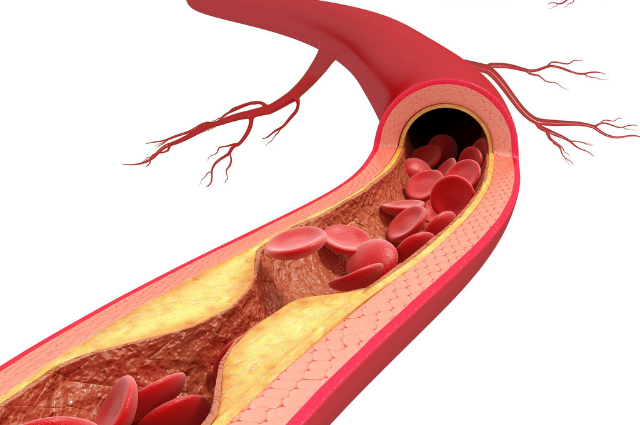
As astonishing as it sounds, you may never know if you have a heart artery blockage until you suffer a health complication. After all, you can’t feel a clogged artery. That explains why many people don’t know their arteries are blocked until the moment they start experiencing an emergency such as a heart attack.
The good news is there are numerous things you can do to reduce your risk of clogged arteries. In this blog post, we take you through some of the common symptoms of blocked arteries. Read on below to uncover more!
What Leads to Clogged Arteries?
Before delving deeper into the symptoms of a heart artery blockage, it always pays off to look into what brings it about in the first place. In most instances, blocked arteries occur as a result of atherosclerosis. This occurs when fat, cholesterol, calcium and other substances build up in your arteries, the blood vessels responsible for carrying oxygen-rich blood throughout your body.
In case this plaque buildup takes place in your coronary arteries, which supply blood to your heart, it can lead to coronary artery disease. Actually, atherosclerosis happens to be the most common cause of coronary artery disease.
Angina
When mentioning the symptoms of a heart artery blockage, you can never skimp on chest pain or angina. After all, it happens to be one of the most common early signs of a blocked artery. Not to mention the sheer fact that it is one of the most well-known symptoms of a heart attack, which makes it difficult to know if chest pain is an emergency.
You’ll most experience angina when you are physically exerting yourself or feeling a strong emotional reaction. But this pain tends to go away once you stop moving or when you calm down. Don’t perceive angina to be a disease, but rather a symptom of a more serious health condition such as coronary artery disease.
Other notable symptoms of blocked arteries you should keep a close eye on include dizziness, nausea, sweating, weakness, and feeling as if your heart is racing. Your medical practitioner may also run tests for symptoms of blocked arteries such as a whooshing sound in your artery, an absent or weak pulse, and low blood pressure in one of your limbs.
If you happen to have any of the above-mentioned symptoms of blocked arteries, then it is in your best interest to seek medical attention as soon as possible.

WeeklyMinds.com is proud to feature an author who brings a wealth of knowledge and experience to our blog. Weekly Minds is an accomplished freelancer writer with 12 years of experience in the field.
WeeklyMinds.com has a passion for sharing insights and perspectives on political, news, technology, home improvement, interiors and many more. Their unique perspective on current affairs has been featured in numerous publications and they have been a guest speaker at college fests.
WeeklyMinds.com is also an avid interest in writing and reading and enjoys singing, music, shopping, travelling and some more. In their free time, they can often be found of reading the novels and various current topics.
We are thrilled to have Elia Scala as a contributor to WeeklyMinds and look forward to their continued insights and contributions to our blog.