

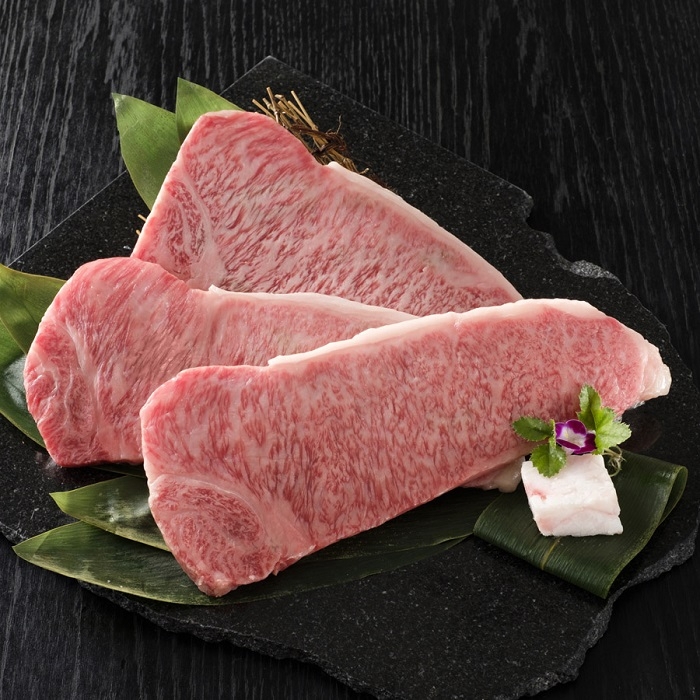
Introduction: The Art of Aging and the Prestige of Wagyu
Wagyu beef, renowned globally for its exceptional marbling, tenderness, and rich flavor, stands as a symbol of fine dining excellence. Originating in Japan, Wagyu refers to several breeds of cattle known for their superior intramuscular fat, which gives the meat its signature buttery texture. However, when this already premium meat undergoes the aging process—either dry or wet aging—it reaches new heights of flavor and sophistication. Aged Wagyu beef has become a prized delicacy among chefs and food connoisseurs who seek depth, complexity, and luxury in every bite.
Understanding the Aging Process
Aging beef is a controlled process that enhances tenderness and amplifies flavor. There are two primary methods: dry aging and wet aging.
- Dry Aging: This traditional technique involves storing whole cuts of beef in a temperature- and humidity-controlled environment for several weeks. As moisture evaporates, the meat’s natural flavors concentrate, while enzymes break down muscle fibers, resulting in a tender, nutty, and intensely flavorful profile.
- Wet Aging: In this modern method, the beef is vacuum-sealed and aged in its own juices. The result is a more subtle flavor enhancement, with a smoother texture but without the bold earthy notes typical of dry aging.
When applied to Wagyu, either method magnifies its already luxurious taste, making each bite an unparalleled experience.
Why Wagyu Beef is Ideal for Aging
Wagyu’s high fat content makes it an ideal candidate for aging. The rich marbling acts as a natural shield during the process, preventing the meat from drying out excessively. This fat also undergoes subtle chemical changes, developing complex flavors reminiscent of roasted nuts, butter, and even caramel. Unlike leaner beef cuts, Wagyu maintains its juiciness and silky texture even after prolonged aging, which can range from 21 to 60 days—or, in some artisanal cases, even longer.
Flavor Evolution: From Rich to Extraordinary
The transformation of aged Wagyu beef is remarkable. Fresh Wagyu already boasts a melt-in-your-mouth tenderness and mild umami flavor. But through aging, these characteristics deepen dramatically. The meat acquires a more pronounced nuttiness, earthy undertones, and a savory sweetness that lingers on the palate. The umami—a hallmark of Japanese cuisine—intensifies, creating a depth of flavor that borders on addictive. For food lovers, aged Wagyu offers not just a meal but a sensory journey through texture, aroma, and taste.
The Science Behind the Perfection
During aging, natural enzymes within the beef break down muscle fibers and connective tissue, resulting in enhanced tenderness. Simultaneously, oxidation and microbial activity (in dry aging) create unique flavor compounds that define the meat’s aged profile. With Wagyu’s dense marbling, these reactions are amplified, producing a complex flavor spectrum rarely found in other meats. The interplay between fat oxidation and protein breakdown is what gives aged Wagyu its characteristic buttery and slightly tangy notes.
The Role of Temperature and Time
Aging Wagyu beef requires precision and patience. The temperature must be maintained between 0°C and 2°C, with humidity levels around 75–85% to prevent spoilage. Air circulation is equally important to ensure even aging. Most dry-aged Wagyu is matured for 30 to 45 days, though some high-end steakhouses experiment with 100-day or even 200-day aging. The longer the process, the stronger and more complex the flavor—though it also becomes more exclusive and expensive due to weight loss and trimming requirements.
A Culinary Luxury Worth the Price
Aged Wagyu beef commands a premium price not only because of its rarity but also because of the meticulous craftsmanship behind it. Each step—from selecting the finest cuts to monitoring aging conditions—requires expertise and precision. The yield is lower since outer layers are trimmed away before serving, yet what remains is pure culinary gold. A single steak can cost hundreds of dollars, and in some luxury restaurants, aged Wagyu dishes are considered the centerpiece of the entire dining experience.
Serving Aged Wagyu: Simplicity is Key
When it comes to preparing aged Wagyu, less is more. Chefs often opt for minimalist cooking methods—like pan-searing, grilling, or sous vide—to preserve the natural richness of the meat. A touch of sea salt, a hint of pepper, and perhaps a light drizzle of truffle oil are enough to elevate the dish. The goal is not to mask the flavor but to let the aged Wagyu speak for itself, delivering a perfect balance of tenderness, umami, and luxurious fat.
Pairing Perfection: Wines and Complements
Aged Wagyu beef pairs beautifully with full-bodied red wines such as Cabernet Sauvignon, Syrah, or Bordeaux blends, which complement its depth and richness. For those seeking a Japanese-inspired pairing, sake or aged umeshu (plum wine) can accentuate the meat’s subtle sweetness. Side dishes are often kept simple—think roasted vegetables, mashed potatoes, or a light salad—to maintain focus on the main attraction.
Conclusion: A Celebration of Patience and Precision
Aged Wagyu beef is more than just food—it’s a testament to culinary craftsmanship, tradition, and patience. The process of aging elevates Wagyu from exceptional to extraordinary, creating a flavor experience unlike any other in the world of gastronomy. Whether enjoyed in a Michelin-starred restaurant or prepared by a skilled home chef, aged Wagyu embodies the perfect harmony between science, art, and taste. For those fortunate enough to savor it, each bite is a reminder that true luxury lies in the details—and in the dedication to perfection.

WeeklyMinds.com is proud to feature an author who brings a wealth of knowledge and experience to our blog. Weekly Minds is an accomplished freelancer writer with 12 years of experience in the field.
WeeklyMinds.com has a passion for sharing insights and perspectives on political, news, technology, home improvement, interiors and many more. Their unique perspective on current affairs has been featured in numerous publications and they have been a guest speaker at college fests.
WeeklyMinds.com is also an avid interest in writing and reading and enjoys singing, music, shopping, travelling and some more. In their free time, they can often be found of reading the novels and various current topics.
We are thrilled to have Elia Scala as a contributor to WeeklyMinds and look forward to their continued insights and contributions to our blog.