

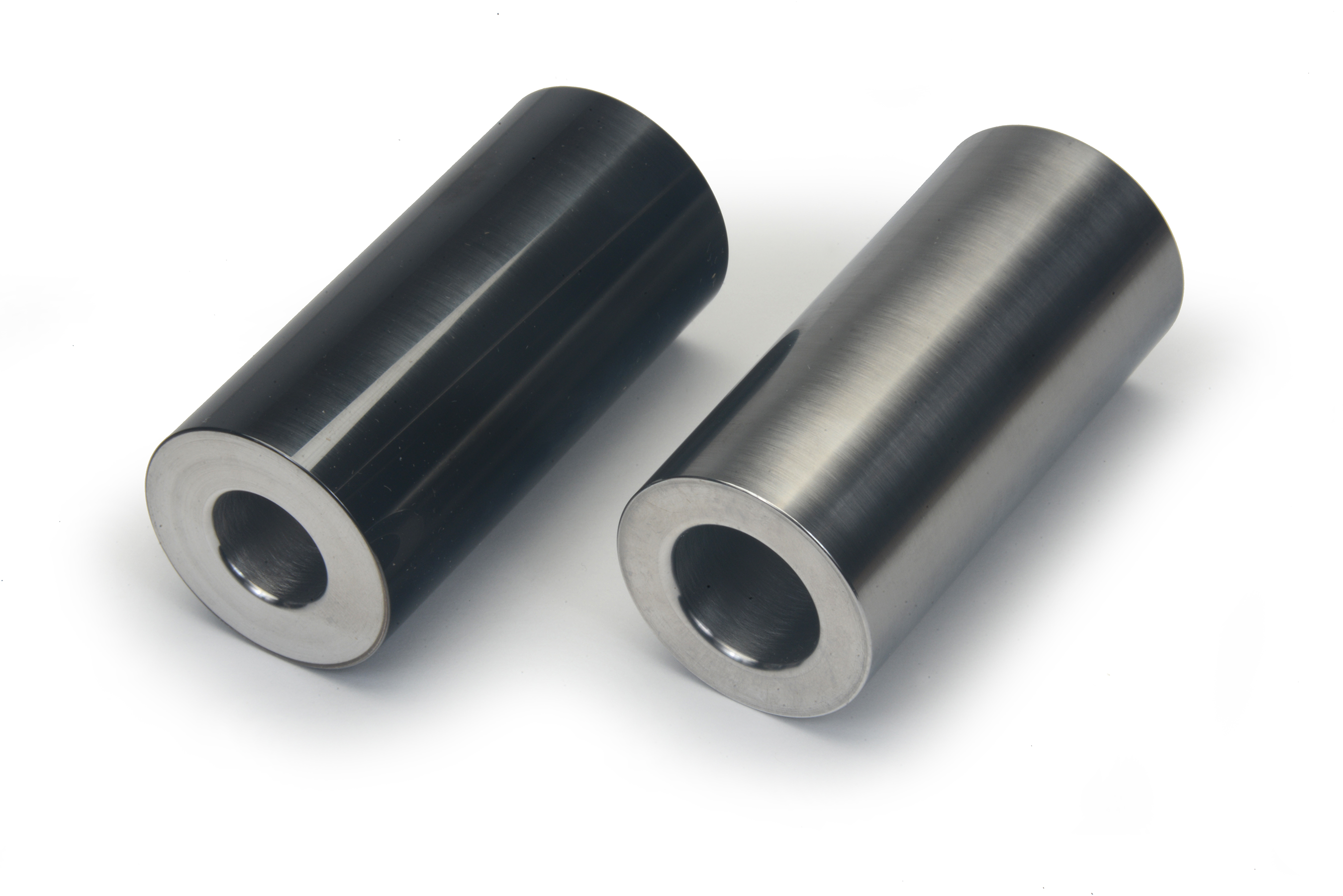
In the modern world of engineering, manufacturing, and high-performance technology, materials are constantly pushed to their limits. Friction, wear, and corrosion are among the biggest challenges industries face, especially in automotive, aerospace, medical, and precision tooling applications. To combat these problems, Diamond-Like Carbon (DLC) coatings have emerged as a revolutionary solution. These ultra-hard, low-friction coatings have transformed how components perform, extending their lifespan and improving efficiency across multiple industries.
This comprehensive guide explores what DLC coatings are, how they work, the science behind them, their types, advantages, and real-world applications that demonstrate their immense value.
Understanding DLC Coatings: A Fusion of Diamond and Carbon
Diamond-Like Carbon (DLC) refers to a family of amorphous carbon materials that display some of the most desirable properties of diamond. As the name suggests, DLC coatings share characteristics with natural diamond—especially hardness, low friction, and chemical inertness—while being formed using advanced thin-film deposition processes rather than being naturally occurring.
At a molecular level, DLC coatings consist of carbon atoms bonded in two main configurations:
- sp³ (diamond-like bonds) – These contribute to the coating’s exceptional hardness and wear resistance.
- sp² (graphite-like bonds) – These provide lubricity and smoothness, reducing friction between surfaces.
The combination of these two carbon structures creates a unique hybrid material that delivers both durability and smooth operation, making DLC coatings highly versatile in demanding environments.
The Science Behind DLC Coatings: How It Works
DLC coatings work by forming a protective barrier on the surface of a substrate (such as steel, titanium, or aluminum). This barrier dramatically reduces friction, prevents wear, and enhances surface hardness without significantly increasing weight or altering component geometry.
The process typically involves depositing a thin film—ranging from 1 to 5 micrometers—onto the surface using advanced techniques such as Physical Vapor Deposition (PVD), Chemical Vapor Deposition (CVD), or Plasma-Enhanced Chemical Vapor Deposition (PECVD). These methods use plasma or vaporized carbon sources to bond carbon atoms to the substrate at the atomic level.
Once applied, the DLC layer forms an ultra-smooth, dense structure that adheres tightly to the surface. This coating not only resists scratches and wear but also minimizes energy loss from friction—making it especially useful in high-speed mechanical and thermal environments.
In essence, DLC coatings work by modifying surface interactions, ensuring components glide effortlessly against each other while maintaining their structural integrity under extreme conditions.
Types of DLC Coatings
Not all DLC coatings are identical. Depending on the deposition method, carbon source, and hydrogen content, there are several types of DLC coatings, each offering specific performance characteristics. The most common types include:
- Hydrogenated Amorphous Carbon (a-C:H) – The most widely used DLC type. It offers excellent friction reduction and is cost-effective for general industrial use.
- Tetrahedral Amorphous Carbon (ta-C) – Contains the highest sp³ content, resulting in extremely hard coatings (up to 80 GPa). Common in cutting tools and engine components.
- Hydrogen-Free Amorphous Carbon (a-C) – Offers superior thermal stability and is suitable for high-temperature applications.
- Metal-Doped DLC (Me-DLC) – Enhanced with metals like tungsten (W), titanium (Ti), or chromium (Cr) to improve adhesion and wear resistance.
- Fluorine-Doped DLC (F-DLC) – Provides extra lubricity, making it ideal for components requiring ultra-low friction.
By selecting the right DLC type, manufacturers can tailor surface properties to meet specific operational demands—whether it’s in precision instruments or high-performance engines.
The Application Process: Precision Engineering at the Nanoscale
Applying DLC coatings requires a controlled, high-tech environment to ensure precision and uniformity. The general process includes several key steps:
- Surface Preparation – The substrate is cleaned, polished, and sometimes pre-treated to improve adhesion. Even microscopic impurities can compromise coating performance.
- Deposition – Using PVD or CVD, carbon atoms are ionized and accelerated toward the surface in a vacuum chamber. The plasma energy ensures that carbon atoms bond securely to the substrate.
- Layer Formation – Multiple thin layers may be applied to create the optimal balance of hardness, flexibility, and adhesion.
- Cooling and Finishing – Once deposition is complete, the component is cooled and inspected for uniformity and surface integrity.
This meticulous process results in a high-performance coating that can transform the surface properties of almost any metal or alloy without altering its dimensions or bulk properties.
Key Benefits of DLC Coatings
The advantages of DLC coatings are extensive and have made them a cornerstone of modern surface engineering. Some of the most notable benefits include:
- Exceptional Hardness: With hardness levels approaching that of diamond, DLC coatings significantly enhance component durability.
- Low Friction: Friction coefficients as low as 0.05 (compared to steel’s 0.8) reduce energy loss and improve mechanical efficiency.
- Superior Wear Resistance: Components last longer, especially in high-load or high-speed conditions.
- Corrosion Protection: DLC coatings act as a barrier against oxidation and chemical degradation.
- Biocompatibility: Safe for medical applications such as surgical tools, implants, and prosthetics.
- Thermal Stability: Many DLC types maintain performance at elevated temperatures.
- Aesthetic Appeal: DLC coatings offer a sleek black or dark grey finish, adding a premium look to consumer products like watches and electronics.
These attributes combine to make DLC coatings not only practical but also economically beneficial by reducing maintenance, downtime, and replacement costs.
Applications Across Industries
The versatility of DLC coatings has led to widespread adoption across multiple sectors. Some of the most prominent applications include:
- Automotive Industry: Used in engine components such as camshafts, piston rings, fuel injectors, and valves. The reduced friction improves fuel efficiency and lowers emissions.
- Aerospace Engineering: DLC coatings protect turbine blades, bearings, and actuators, ensuring reliability in extreme environments.
- Medical Devices: Biocompatibility and corrosion resistance make DLC ideal for surgical tools, dental instruments, and orthopedic implants.
- Cutting and Forming Tools: In manufacturing, DLC coatings enhance tool life and precision while minimizing downtime.
- Consumer Electronics: Used for wear-resistant finishes in watches, smartphones, and camera lenses.
- Energy Sector: Protects components in oil, gas, and renewable energy systems from wear and corrosion.
Each of these industries benefits from DLC coatings’ ability to extend the life and performance of critical components while minimizing environmental and operational costs.
Challenges and Limitations
Despite their many advantages, DLC coatings also have some limitations. The cost of deposition can be high due to the complexity of the process and the need for specialized equipment. Additionally, achieving strong adhesion on certain substrates can be challenging, especially on materials with differing thermal expansion rates.
Another consideration is that DLC coatings can be brittle if not applied with the correct intermediate layers, making precise process control essential. However, ongoing research and development continue to overcome these challenges, improving adhesion techniques and expanding the range of applicable materials.
The Future of DLC Coating Technology
The future of DLC coatings looks promising, with advancements in nanotechnology and plasma engineering driving further innovation. New hybrid coatings are being developed to combine DLC with other materials like silicon, nitrogen, or metals to achieve even greater performance.
Emerging applications—such as in electric vehicles, spacecraft components, and microelectromechanical systems (MEMS)—are pushing the boundaries of DLC technology. As sustainability becomes a global priority, the ability of DLC coatings to reduce energy loss and material waste makes them increasingly important in achieving eco-friendly manufacturing goals.
Conclusion: A Revolutionary Coating for a High-Performance World
Diamond-Like Carbon coatings represent one of the most significant advancements in material science and surface engineering. By merging the best attributes of diamond and graphite, DLC coatings offer a unique combination of hardness, smoothness, and durability that enhances performance in nearly every industry.
From race car engines to surgical instruments and aerospace components, DLC coatings are redefining what’s possible in terms of efficiency and longevity. As technology continues to evolve, so too will the potential of DLC coatings—solidifying their role as an essential part of the future of high-performance engineering.

WeeklyMinds.com is proud to feature an author who brings a wealth of knowledge and experience to our blog. Weekly Minds is an accomplished freelancer writer with 12 years of experience in the field.
WeeklyMinds.com has a passion for sharing insights and perspectives on political, news, technology, home improvement, interiors and many more. Their unique perspective on current affairs has been featured in numerous publications and they have been a guest speaker at college fests.
WeeklyMinds.com is also an avid interest in writing and reading and enjoys singing, music, shopping, travelling and some more. In their free time, they can often be found of reading the novels and various current topics.
We are thrilled to have Elia Scala as a contributor to WeeklyMinds and look forward to their continued insights and contributions to our blog.