

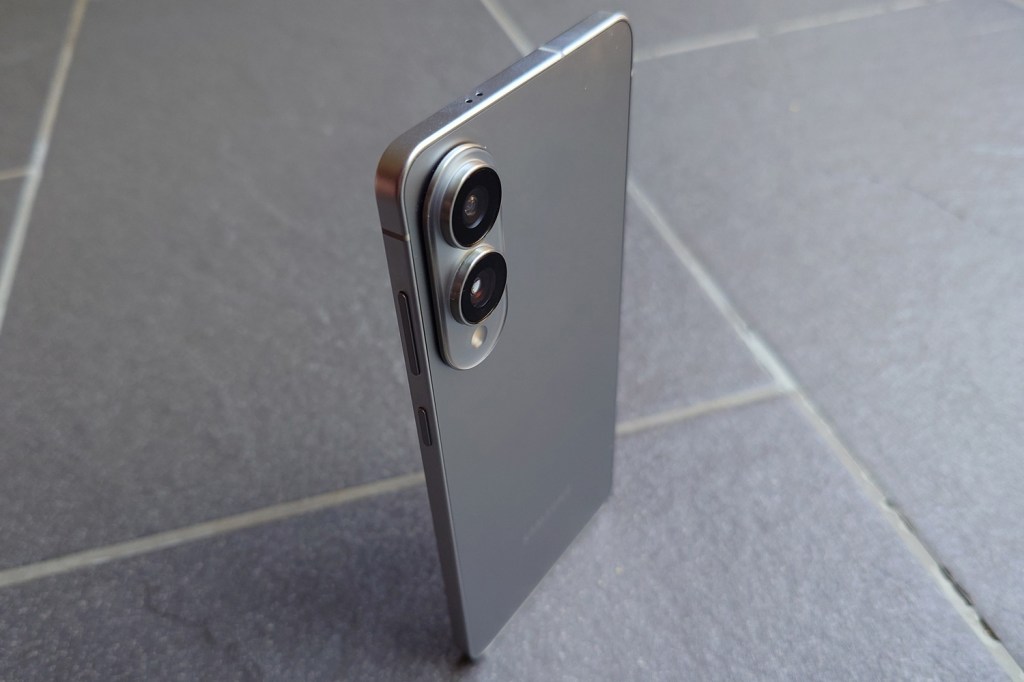
The smartphone market is changing quickly, and the flagship Android phones of 2026 are shaping up to be the most advanced yet. Based on what is happening now, new technologies, and plans from manufacturers, here are seven features that should be standard in high-end Android phones next year.
1. Advanced AI processing with separate NPUs
Artificial intelligence is going from a buzzword to something that is very important. Expect the flagship phones of 2026 to have neural processing units (NPUs) that are much more powerful and can handle complicated AI tasks all on their own. This means that AI assistants can do multi-step tasks without always being connected to the cloud, and language translation, smart photo editing, and predictive text that really understands context can all happen in real time. The focus will change to AI that protects privacy by processing sensitive data on the user’s device instead of sending it to remote servers.
2. Perfected Under-Display Camera Technology
Under-display cameras should finally become mainstream flagship devices in 2026, after years of improvement. Early versions had lower image quality and screen distortion that was easy to see, but the technology has come a long way since then. Expect displays that don’t stop working and front cameras that take pictures that are as good as those taken with traditional cameras. This will give you the most screen space possible without notches, punch holes, or mechanical pop-up mechanisms.
3. Standard Satellite Connectivity
What started out as an emergency feature is now becoming normal. Most flagship Android phones should be able to connect to satellites for basic messaging and emergency services by 2026. This technology lets phones connect directly to satellites when cell networks are down. This is very important for communication in remote areas or during natural disasters. Some companies may even offer better satellite data services for regular use.
4. Optical zoom cameras with 10x or more zoom
Computational photography has come a long way, but in 2026, optical zoom will be the most important feature. Expect periscope-style telephoto lenses to have at least 10x optical zoom as standard. Some devices may even have 15x or 20x zoom. These cameras will take DSLR-quality pictures at distances that seemed impossible just a few years ago. They will do this with AI-enhanced image stabilization and processing. We will never have to deal with grainy, digitally zoomed photos again.
5. Battery life that lasts all day with next-gen charging
Finally, battery technology is catching up to how we use our devices. Silicon-carbon batteries and other advanced chemistries will give you 20–30% more capacity in the same space and use less power because their parts are more efficient. Expect real heavy use all day long with a lot of extra space. Charging technology will also make big strides. Wired charging will become common with speeds of 200W or more (fully charging in less than 15 minutes), and wireless charging will reach speeds of 100W. Battery health management will also get better, which will help the battery hold its charge longer over time.
6. Vapor Chamber Cooling for Long-Lasting Performance
Thermal management is very important as processors get more powerful and AI workloads get more demanding. In 2026, flagship phones will come with advanced vapor chamber cooling systems as standard. These systems will let the phone run at high speeds without slowing down. This is especially important for gaming, recording videos, and doing heavy AI work. Some devices may even use active cooling systems or advanced thermal materials made of graphene that get rid of heat better than ever before.
7. Ecosystems that work with many devices at once
Apple has been the clear leader in the seamless ecosystem space for a long time, but Android manufacturers are quickly catching up. By 2026, you should be able to use your phone, tablet, smartwatch, earbuds, and even your laptop all at the same time without any problems. You can start a task on one device and finish it on another, share clipboards between devices, use your phone as a webcam for your laptop, or wirelessly extend your phone’s screen to a tablet. With universal control features, the keyboard and mouse on one device can control other devices nearby. File sharing will also be quick and easy across your entire Android ecosystem.
The Bottom Line
The flagship Android phone of 2026 won’t just be a little bit better than today’s phones; it will be a big step forward in terms of features, ease of use, and overall user experience. These phones will be more powerful, smarter, more connected, and more useful than ever before. As these new technologies make their way down to mid-range devices in the years to come, the whole smartphone market will benefit from the new features that will be available in next year’s flagship phones.
The future of mobile technology is bright, and Android fans should be very excited about 2026.

WeeklyMinds.com is proud to feature an author who brings a wealth of knowledge and experience to our blog. Weekly Minds is an accomplished freelancer writer with 12 years of experience in the field.
WeeklyMinds.com has a passion for sharing insights and perspectives on political, news, technology, home improvement, interiors and many more. Their unique perspective on current affairs has been featured in numerous publications and they have been a guest speaker at college fests.
WeeklyMinds.com is also an avid interest in writing and reading and enjoys singing, music, shopping, travelling and some more. In their free time, they can often be found of reading the novels and various current topics.
We are thrilled to have Elia Scala as a contributor to WeeklyMinds and look forward to their continued insights and contributions to our blog.