

Understanding Proxy Servers
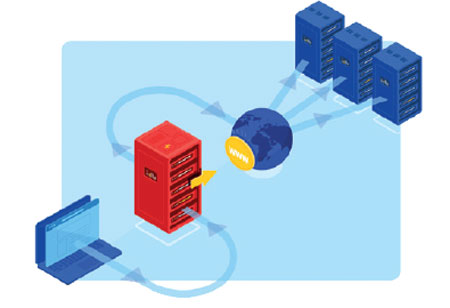
Proxy servers serve as intermediary servers that handle requests between a user and the internet. When a user connects to a proxy server, the server processes the requests on behalf of the user. This mechanism allows the proxy server to modify the user’s IP address and enhance anonymity while browsing. The primary functions of proxy servers include improving security, optimizing access to resources, and providing a level of anonymity, which is especially important in the realm of digital marketing.
There are various types of proxy servers available, each designed for specific purposes. Residential proxies use IP addresses provided by Internet Service Providers (ISPs) to represent real users. This authenticity makes them invaluable for tasks requiring high trust, such as web scraping and social media management without being blocked. In contrast, datacenter proxies are typically not affiliated with ISPs. They offer fast connection speeds and are often used for bulk data extraction. However, their non-residential nature could increase the likelihood of detection during automated scraping tasks.
Rotating proxies are another popular type that enhances web scraping by automatically changing the IP address after each request or at set intervals. This feature is useful for large-scale data gathering, as it minimizes the risk of encountering IP bans while maintaining a seamless data flow. Additionally, rotating proxies can distribute requests across numerous IP addresses, allowing businesses to gather more data effectively.
Incorporating proxy servers into digital marketing strategies not only addresses anonymity concerns but also bolsters security and data privacy. With increasing concerns over data breaches and privacy violations, the adoption of proxy servers is becoming more prevalent, offering companies a reliable means to protect their data while conducting online activities.
The Role of Proxy Servers in SEO
Proxy servers play a significant role in enhancing SEO strategies by providing enhanced privacy and flexibility during critical online activities. One of the primary benefits of using proxy servers is their ability to conduct keyword research without exposing the user’s geographical location. This aspect is particularly essential, as search engine results can vary greatly based on location. By utilizing proxy servers, marketers can access localized SERP (Search Engine Results Pages) data pertinent to their target audience, allowing for more informed decision-making regarding keyword targeting and optimization.
Moreover, proxy servers enable users to simulate user behavior from various geographical regions. This capability is crucial for SEO professionals who wish to understand how different audiences engage with content and what search engine results they encounter. By routing their requests through proxies located in specific countries or regions, businesses gain valuable insights into local search behaviors, allowing them to tailor their content and SEO strategies accordingly.
Another advantage of using proxy servers in SEO is the management of multiple accounts for various platforms without risking account bans. Social media platforms and other online services often have strict rules concerning the use of accounts and can flag repeated access from the same IP address. Proxy servers help mitigate these risks by distributing account management tasks across different IPs, ensuring that each account appears to be accessed from unique locations, thereby reducing the likelihood of detection and subsequent penalties.
Finally, utilizing proxy servers can significantly enhance competitive analysis efforts. By monitoring competitors’ websites discreetly, businesses can gather insights into their strategies, keyword choices, and overall performance. This data enables marketers to adjust their tactics and improve their own SEO outcomes. In conclusion, incorporating proxy servers into SEO strategies equips businesses with the tools needed to navigate the complexities of search engine optimization effectively.
Understanding SERP Tracking and the Role of Proxy Servers
Serp tracking is a crucial component for businesses and marketers seeking to optimize their online presence. However, relying on a single IP address for tracking search engine results can lead to several limitations, including potential ranking biases and data inaccuracies. When multiple users or devices inquire about the same keywords from a single location, the search engine algorithms may skew the results based on known usage patterns, historical data, and personalization factors tailored to the specific IP address.
Proxy servers serve as a practical solution to this challenge by allowing users to search from different IP addresses across various geographical locations. This enhances the accuracy of SERP tracking by simulating searches that reflect a broader demographic and diversity in consumer behavior. Utilizing proxy servers, businesses can gather comprehensive SERP data that reflects how their keywords rank not just at a specific location, but across multiple regions. This information is invaluable for understanding the competitive landscape and making informed decisions regarding SEO strategies.
Moreover, proxies can help mitigate the risks associated with scraping search engine result pages, where excessive requests from a single IP address may lead to temporary bans or throttling. By rotating through different proxy endpoints, users can effectively distribute search requests, ensuring a steady flow of legitimate data collection without triggering search engine defenses.
Incorporating proxies into SERP tracking not only improves the insights gained from keyword performance evaluations but also enhances the strategic planning of digital marketing initiatives. With more accurate data derived from diverse locations, businesses can craft tailored strategies aimed at optimizing their visibility and engagement within search results.
Best Practices for Using Proxies in SEO and SERP Tracking
Integrating proxy servers into your SEO and SERP tracking efforts requires careful consideration of various factors to ensure maximum effectiveness. The first step is to select the right type of proxy. There are several options available, including residential, datacenter, and mobile proxies. Residential proxies offer IP addresses from real devices, making them the best choice for tasks that require unique geographical locations. Datacenter proxies, while faster, may be more readily detected by search engines. Mobile proxies can be beneficial for simulating mobile user behavior, especially given the increasing significance of mobile optimization.
Reliability and speed are also crucial when choosing proxies. Opt for providers with a proven track record of uptime and fast connection speeds to ensure that your tracking efforts are not hindered by downtime or lag. Thoroughly check reviews and testimonials from other users to gauge the effectiveness of their proxies in real-world applications. Additionally, proxies should come with robust customer support to resolve any issues that may arise promptly.
Ethical usage of proxies is paramount to avoid potential penalties from search engines. Engaging in activities like scraping or abusing search engine queries can lead to IP bans or other negative repercussions. Always adhere to ethical guidelines when utilizing proxy servers by ensuring that your actions do not violate terms of service. This not only protects your IP address but also maintains a good standing with search engines.
Furthermore, consider combining proxy usage with other SEO tools and techniques, such as keyword ranking tools, analytics platforms, and website auditing software. This integration creates a comprehensive approach to maximizing the efficiency and effectiveness of your SEO strategies. By following these best practices, you can effectively leverage proxy servers to enhance your SEO and SERP tracking capabilities.

WeeklyMinds.com is proud to feature an author who brings a wealth of knowledge and experience to our blog. Weekly Minds is an accomplished freelancer writer with 12 years of experience in the field.
WeeklyMinds.com has a passion for sharing insights and perspectives on political, news, technology, home improvement, interiors and many more. Their unique perspective on current affairs has been featured in numerous publications and they have been a guest speaker at college fests.
WeeklyMinds.com is also an avid interest in writing and reading and enjoys singing, music, shopping, travelling and some more. In their free time, they can often be found of reading the novels and various current topics.
We are thrilled to have Elia Scala as a contributor to WeeklyMinds and look forward to their continued insights and contributions to our blog.