

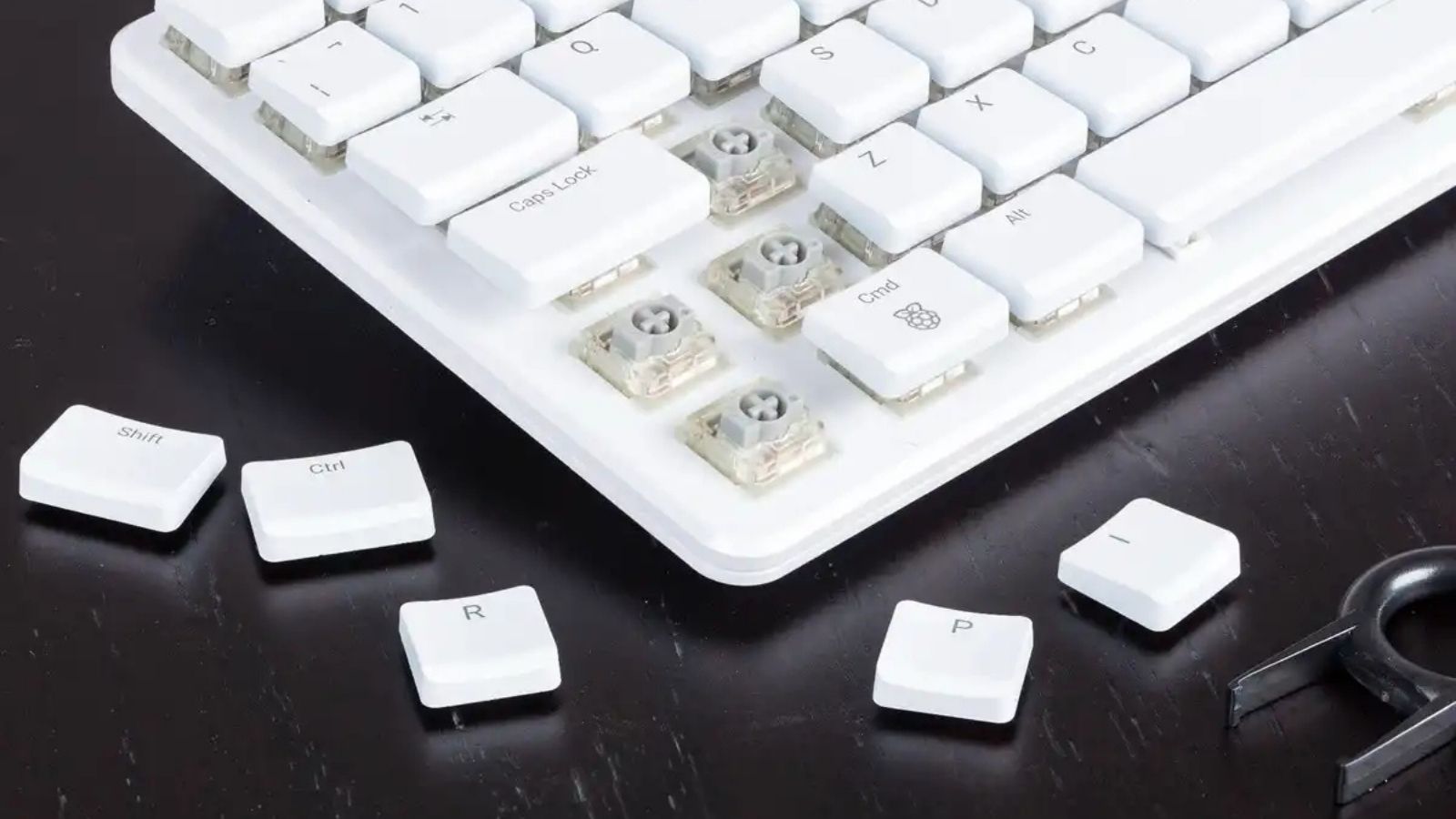
Since its first release in 2012, the Raspberry Pi has revolutionized the world of affordable computing. Originally designed as an educational tool to help students learn programming and computer science, the Raspberry Pi quickly found applications far beyond classrooms. Developers, hobbyists, engineers, and even large-scale industries embraced it for its versatility and low cost. In 2025, the Raspberry Pi Foundation has once again raised the bar with the launch of the Raspberry Pi 500+, a device that blends performance, usability, and accessibility like never before.
Evolution of Raspberry Pi
Over the years, the Raspberry Pi lineup has grown from the basic Model B to powerful versions like the Raspberry Pi 4 and Raspberry Pi 5. Each generation brought significant improvements in processing power, RAM capacity, connectivity, and multimedia support. The Raspberry Pi 400—a compact keyboard computer—introduced a form factor that combined portability with practicality.
The Raspberry Pi 500+ builds on this evolution by delivering enhanced computing power, expanded connectivity, and modern design. It continues to honor the mission of making computing accessible to everyone, while also appealing to advanced developers and professionals who need more robust hardware for projects.
Design and Form Factor
One of the most striking aspects of the Raspberry Pi 500+ is its sleek, integrated design. Like the Raspberry Pi 400, the 500+ comes as a keyboard computer, where the main board and components are housed inside a compact keyboard unit. This design eliminates the need for an external case, making it perfect for students, educators, and hobbyists who want a plug-and-play experience.
The keyboard itself is ergonomic, with responsive keys suitable for both casual typing and extended use. Additional function keys and shortcuts have been added to improve productivity. On the back of the unit, ports are neatly arranged for easy connectivity, allowing users to quickly hook up peripherals like monitors, mice, and storage devices.
Hardware Specifications
The Raspberry Pi 500+ is powered by a new-generation ARM-based processor, offering octa-core performance with clock speeds significantly higher than its predecessor. Coupled with up to 16 GB of RAM, the device is capable of handling multitasking, software development, and even some light gaming.
Key specifications include:
- Processor: Octa-core ARM Cortex-A78 at 2.5 GHz
- RAM Options: 8 GB and 16 GB LPDDR5
- Storage: microSD slot, plus onboard NVMe SSD support for faster read/write speeds
- Graphics: Enhanced GPU for 4K dual-monitor output
- Connectivity: USB 3.2 ports, USB-C power delivery, dual HDMI outputs, and Gigabit Ethernet
- Wireless: Wi-Fi 6 and Bluetooth 5.2
- Audio: 3.5mm audio jack and HDMI audio output
These upgrades make the 500+ not just a hobbyist board but a full-fledged desktop replacement for many users.
Operating System and Software Support
The Raspberry Pi 500+ comes preloaded with the latest version of Raspberry Pi OS, optimized to take advantage of the new hardware. Users can also run other Linux distributions such as Ubuntu, as well as lightweight versions of Windows 11 ARM.
Developers will find support for popular programming languages, including Python, C++, Java, and JavaScript. The device also integrates seamlessly with tools like Visual Studio Code and Docker, making it suitable for software development and testing. Machine learning frameworks such as TensorFlow Lite run efficiently, expanding its use in AI projects.
Educational Applications
True to the mission of the Raspberry Pi Foundation, the 500+ is designed with education at its core. Schools and universities can use it as a low-cost solution for teaching computer science, robotics, and electronics. Its plug-and-play design reduces setup time, making it easier for teachers to get students coding right away.
The enhanced GPU and multimedia support also make it suitable for interactive lessons, online learning, and even creative subjects like music production and digital art. By offering powerful performance at an affordable price, the Raspberry Pi 500+ helps bridge the digital divide for students who might otherwise lack access to computing resources.
Maker and Hobbyist Potential
The Raspberry Pi community is known for innovation and creativity, and the 500+ provides even more possibilities. Its GPIO (General Purpose Input/Output) pins remain intact, enabling hardware tinkering and IoT (Internet of Things) projects. Makers can connect sensors, motors, and custom circuits for robotics, home automation, or DIY electronics.
Thanks to its NVMe storage support and improved wireless connectivity, the 500+ can also serve as a personal server, running applications like Nextcloud, Pi-hole, or Plex Media Server. The performance upgrades allow it to handle heavier workloads compared to earlier Raspberry Pi models.
Professional and Industrial Use
While the Raspberry Pi was once seen primarily as a hobbyist tool, the 500+ proves that it is now a legitimate option for professional environments. Small businesses can use it as a cost-effective workstation, digital signage solution, or point-of-sale system. Developers can use it for prototyping IoT devices and testing applications at scale.
In industrial settings, the enhanced reliability and connectivity of the 500+ make it suitable for monitoring systems, automation, and edge computing tasks. Its ability to handle modern software frameworks ensures compatibility with industry-standard tools.
Sustainability and Accessibility
The Raspberry Pi Foundation has always emphasized affordability and accessibility, and the 500+ continues this tradition. Priced significantly lower than mainstream desktop computers, it opens up opportunities for individuals and communities with limited budgets.
Sustainability is another focus area. The device is energy-efficient, consuming far less power than a traditional desktop PC, making it ideal for regions where electricity costs are high or where environmental concerns drive decision-making. The foundation also continues its efforts to promote digital literacy worldwide, distributing Raspberry Pi devices to underserved communities.
Ecosystem and Community Support
One of the strengths of Raspberry Pi is its massive global community. The 500+ benefits from this ecosystem, with countless tutorials, forums, and open-source projects available online. Whether a user is building a smart home system, setting up a server, or learning to code, they will find ample resources and support.
The availability of accessories such as cases, cameras, HATs (Hardware Attached on Top), and expansion modules further enhances the versatility of the Raspberry Pi 500+. This ecosystem ensures that users can customize their devices to suit their unique needs.
Looking Ahead
The release of the Raspberry Pi 500+ signals the ongoing commitment of the Raspberry Pi Foundation to push the boundaries of low-cost computing. While it provides more power and versatility than ever before, it also stays true to the core mission of promoting digital education and accessibility.
Looking ahead, we can expect the Raspberry Pi platform to play a key role in emerging fields such as artificial intelligence, robotics, and sustainable computing. The 500+ sets the stage for future devices that may push even closer to high-end desktop performance while remaining affordable.
Conclusion
The Raspberry Pi 500+ is more than just an incremental upgrade—it’s a transformative device that brings together performance, design, and accessibility in a way few products can. By offering robust hardware in a compact form factor, it caters to a diverse audience: students learning to code, hobbyists building projects, professionals seeking affordable computing solutions, and industries exploring IoT applications.
As technology continues to evolve, the Raspberry Pi 500+ stands as a reminder that innovation doesn’t have to come at a high cost. It democratizes computing power and ensures that creativity, learning, and problem-solving remain within reach for everyone. Whether you are a beginner exploring coding for the first time or an advanced developer prototyping AI models, the Raspberry Pi 500+ offers the tools and flexibility to bring your ideas to life.

WeeklyMinds.com is proud to feature an author who brings a wealth of knowledge and experience to our blog. Weekly Minds is an accomplished freelancer writer with 12 years of experience in the field.
WeeklyMinds.com has a passion for sharing insights and perspectives on political, news, technology, home improvement, interiors and many more. Their unique perspective on current affairs has been featured in numerous publications and they have been a guest speaker at college fests.
WeeklyMinds.com is also an avid interest in writing and reading and enjoys singing, music, shopping, travelling and some more. In their free time, they can often be found of reading the novels and various current topics.
We are thrilled to have Elia Scala as a contributor to WeeklyMinds and look forward to their continued insights and contributions to our blog.