

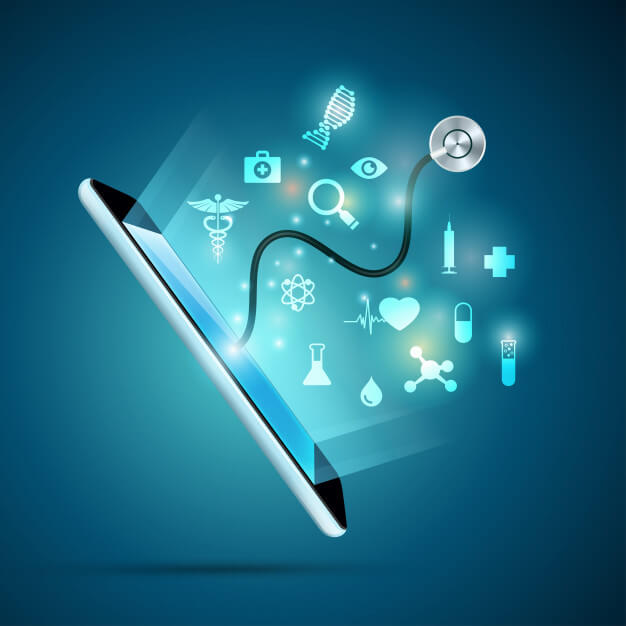
Healthcare is changing faster than ever, and digital technology sits right at the heart of this shift. We’re seeing everything from artificial intelligence diagnosing diseases to wearables tracking our vitals in real time. Honestly, it feels like there’s almost nothing medicine can’t tackle now.
Look at what happened during COVID-19. Telemedicine, once a backup plan, suddenly became vital. Doctors around the world switched to virtual consults almost overnight. What started out as a stopgap quickly turned into a better, more convenient way for many people to get care. Suddenly, a patient in rural India could speak with a Mumbai specialist, or a parent in some remote village could get pediatric advice without an exhausting journey. It’s hard to imagine traditional hospitals alone ever reaching that far. Digital health is opening doors that physical clinics just can’t.
AI isn’t science fiction anymore. It’s already shaking up the way we diagnose diseases. Training machine learning on millions of medical images lets computers catch early-stage cancers, diabetic eye disease, even heart issues—with accuracy that sometimes rivals, or even beats, seasoned doctors. DeepMind from Google, for example, can spot more than 50 different eye conditions from retinal scans, and does it with the timing and skill of a specialist. Then you have tools using natural language processing, digging through heaps of electronic health records to flag patients who might take a turn for the worse—sometimes before anyone even notices symptoms.
In India, this couldn’t have come at a better time. Many clinics in smaller cities just don’t have enough radiologists or pathologists. AI-powered startups like Niramai are stepping in, offering affordable and non-invasive breast cancer screening using thermography and AI. For a country where too many people only get diagnosed in late stages, these tools are real game-changers.
Even those smartwatches and fitness bands have come a long way. They’re not just step counters anymore—they watch over your heart rhythms, oxygen levels, sleep cycles, and can even pick up on serious issues like atrial fibrillation, which is behind a lot of strokes. The Apple Watch has actually helped save lives by alerting people to dangerous heart rhythms. Diabetics now have continuous glucose monitors, letting them check their blood sugar in real time and take more control of their health every single day.
Of course, there are bumps in the road. Privacy is a huge issue—after all, health data is about as sensitive as it gets, and a leak can be devastating. Then there’s bias. If an AI’s only trained on Western data, it might miss key signs or make mistakes for people from different backgrounds. Regulators are also scrambling to catch up, and this opens the door for unproven tech to slip into hospitals before it’s really ready.
Then you’ve got the digital divide. It’s great if you’re young, tech-savvy, and live in a city. But for older folks, or anyone without reliable internet, digital healthcare still feels out of reach—and that’s a real problem.
Still, it’s hard not to feel hopeful. We’re moving away from just reacting to illness after it happens. Now, with digital tools, medicine is starting to predict, prevent, and even personalize care for each person. Genomics, AI, and real-world patient data are coming together to make treatments truly fit the individual. And as this technology spreads, as more people get access, the dream of longer, healthier lives for everyone moves closer to reality.

WeeklyMinds.com is proud to feature an author who brings a wealth of knowledge and experience to our blog. Weekly Minds is an accomplished freelancer writer with 12 years of experience in the field.
WeeklyMinds.com has a passion for sharing insights and perspectives on political, news, technology, home improvement, interiors and many more. Their unique perspective on current affairs has been featured in numerous publications and they have been a guest speaker at college fests.
WeeklyMinds.com is also an avid interest in writing and reading and enjoys singing, music, shopping, travelling and some more. In their free time, they can often be found of reading the novels and various current topics.
We are thrilled to have Elia Scala as a contributor to WeeklyMinds and look forward to their continued insights and contributions to our blog.