

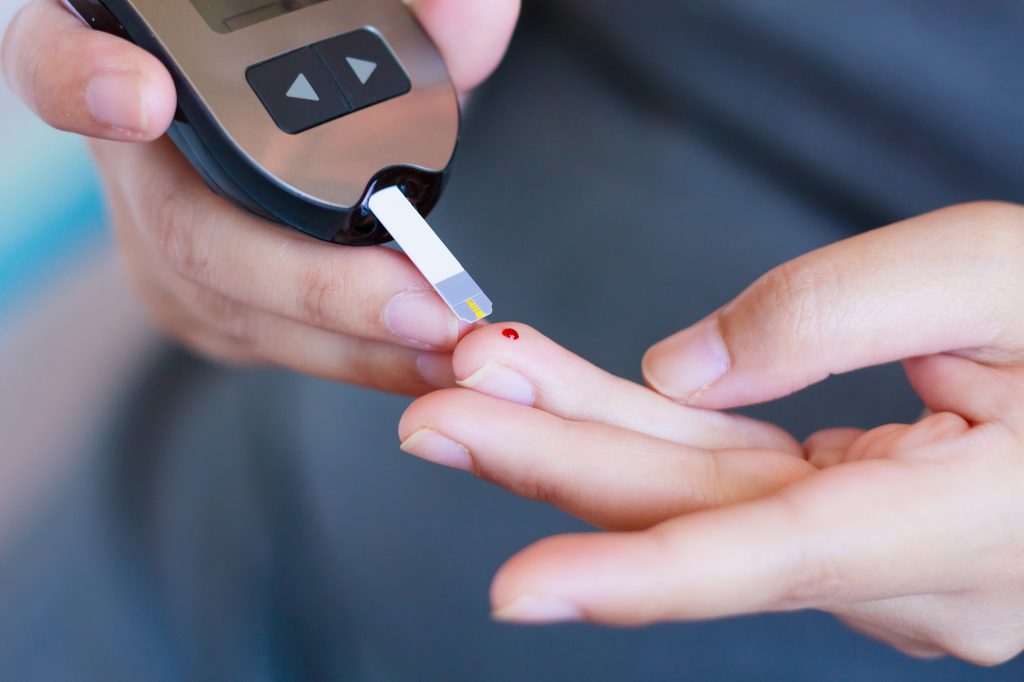
What is diabetes?
Diabetes is a long-term health problem that causes high blood sugar (glucose) levels. It happens when the body either can’t make enough insulin or can’t use the insulin it does make properly. Insulin is a hormone that controls blood sugar levels by letting glucose into cells so they can use it for energy. When this process stops working, glucose builds up in the blood, which can cause a number of health problems over time.
How Blood Sugar Works
When you eat carbs, your body usually breaks them down into glucose. When the pancreas sees this rise, it releases insulin, which works like a key to let glucose into your cells, where it can be used for energy or stored. Insulin does its job and brings blood sugar levels back to normal after a meal. This finely-tuned system doesn’t work right in people with diabetes.
Different kinds of diabetes
Diabetes Type 1
Type 1 diabetes is an autoimmune disease in which the body’s immune system mistakenly attacks and kills the cells in the pancreas that make insulin. Because of this, the pancreas makes very little or no insulin. People with Type 1 diabetes need to use insulin pumps or get insulin shots to keep their blood sugar levels stable. It usually starts in kids and teens, but it can happen at any age. This is the cause of about 5–10% of all diabetes cases.
Diabetes Type 2
Type 2 diabetes is the most common type, making up 90–95% of all diabetes cases. This condition is known as insulin resistance, and it means that the body either doesn’t make enough insulin or can’t use it properly. At first, the pancreas makes more insulin to make up for it, but over time it can’t keep up with demand. Type 2 diabetes usually develops slowly in adults, but more and more young people are being diagnosed with it because of their lifestyles.
Diabetes during pregnancy
Gestational diabetes happens during pregnancy when hormonal changes make the body less able to use insulin. It usually goes away after the baby is born, but it raises the risk of both the mother and the child getting Type 2 diabetes later in life. Gestational diabetes affects about 2 to 10 percent of pregnancies.
Causes and Risk Factors
There are a number of things that make it more likely that you will get diabetes. Obesity, not getting enough exercise, a family history of diabetes, being over 45, and being part of certain ethnic groups that are more likely to get it are all risk factors for Type 2 diabetes. A bad diet, too much stress, and not getting enough sleep also raise the risk.
Type 1 diabetes has a strong genetic component, and some viral infections or environmental factors can cause the immune system to attack itself in people who are genetically prone to it.
Signs to Look For
People with diabetes often feel very thirsty, have to go to the bathroom a lot, lose weight for no reason, feel tired, have wounds that take a long time to heal, and have tingling or numbness in their hands or feet. Symptoms of type 1 diabetes usually show up quickly, over weeks or months. Symptoms of type 2 diabetes, on the other hand, may be mild and take a long time to show up, sometimes not being noticed for years.
Finding out what’s wrong and testing
Healthcare providers use a number of tests to find out if someone has diabetes. The fasting blood glucose test checks blood sugar levels after at least eight hours without food. The random blood glucose test checks sugar levels at any time. The HbA1c test shows average blood sugar levels over the past two to three months. A glucose tolerance test may also be used, especially to find out if a woman has gestational diabetes.
Problems that can happen when diabetes isn’t controlled
When blood sugar stays high for a long time, it hurts nerves and blood vessels all over the body. Heart disease and stroke are two of the most serious complications that can happen when blood vessels are damaged. Diabetic neuropathy is nerve damage that causes pain and loss of feeling, especially in the feet. Diabetic retinopathy can cause vision loss. Diabetic kidney disease can lead to kidney failure. Diabetic foot ulcers can lead to amputation if they are not treated. These problems happen slowly over time, but they can be avoided or put off with the right care.
Management and Care
There are many ways to manage diabetes. Regular blood sugar testing helps keep track of control. Insulin therapy, oral medications that boost insulin production or lower insulin resistance, or newer injectable medications are all possible treatments. You need to make changes to your diet that focus on whole grains, lean proteins, vegetables, and not too much sugar. Maintaining a healthy weight, getting enough sleep, reducing stress, and getting regular exercise are all important parts of managing diabetes.
Stop it
Changes to your lifestyle can greatly lower your risk of getting Type 2 diabetes or delay its onset. Keeping a healthy weight, working out regularly, eating a balanced diet that is low in processed foods and added sugars, drinking alcohol in moderation, and not smoking all help to prevent disease. For people who are at risk, regular screenings are very important for finding problems early.
Living Well with Diabetes
If you know how to manage it, diabetes is a manageable condition. By sticking to their treatment plan, checking their blood sugar often, living a healthy lifestyle, and working closely with their doctors, many people with diabetes live long, healthy lives. To avoid problems and keep a good quality of life, it’s important to learn about the condition, get help from family and healthcare teams, and take care of yourself on a regular basis.
Final Thoughts
Diabetes is a serious health problem that affects millions of people around the world. The first step to managing it well is to learn the basics. If you’ve just been diagnosed with diabetes, have a family history of it, or just want to learn more, knowing how diabetes develops, how to spot its symptoms, and what treatments are available will help you make smart health decisions. If you think you might have diabetes or are worried about your risk, talk to a doctor about getting tested and getting advice.

WeeklyMinds.com is proud to feature an author who brings a wealth of knowledge and experience to our blog. Weekly Minds is an accomplished freelancer writer with 12 years of experience in the field.
WeeklyMinds.com has a passion for sharing insights and perspectives on political, news, technology, home improvement, interiors and many more. Their unique perspective on current affairs has been featured in numerous publications and they have been a guest speaker at college fests.
WeeklyMinds.com is also an avid interest in writing and reading and enjoys singing, music, shopping, travelling and some more. In their free time, they can often be found of reading the novels and various current topics.
We are thrilled to have Elia Scala as a contributor to WeeklyMinds and look forward to their continued insights and contributions to our blog.