

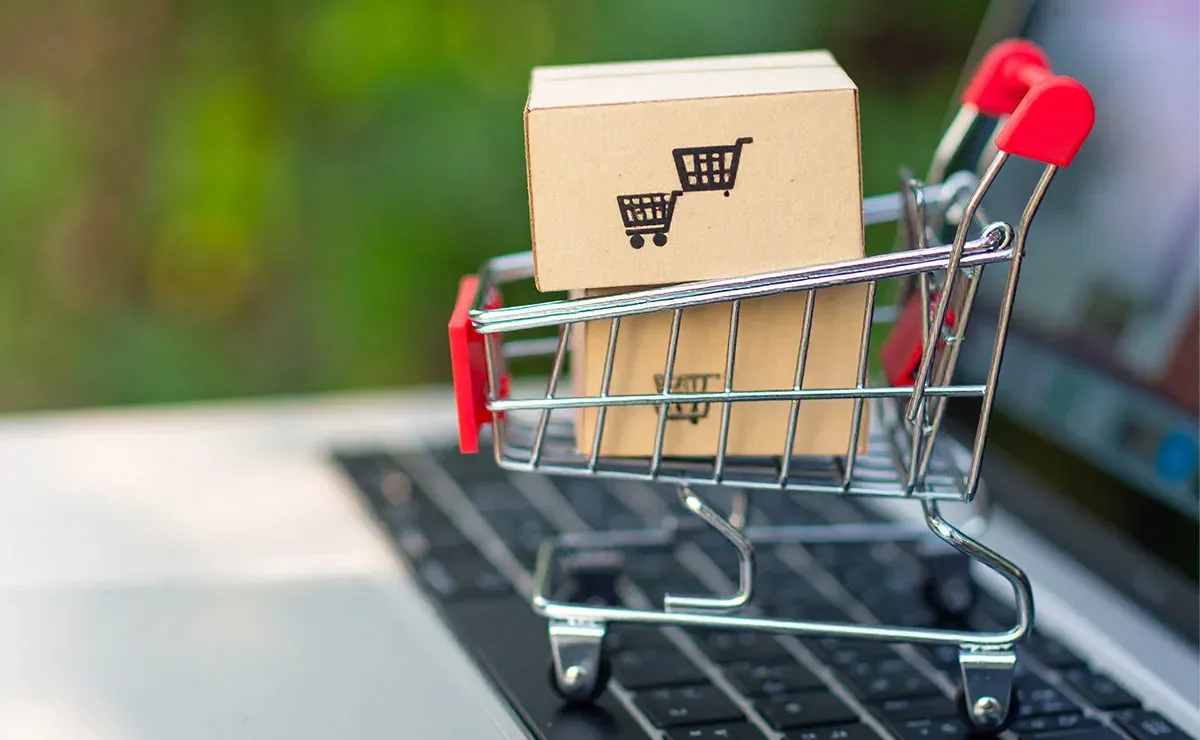
Since the first days of online shopping, the digital marketplace has changed a lot. What started as a new idea in the 1990s has grown into a trillion-dollar global business that changes the way people find, evaluate, and buy things. As we move through 2025, the world of e-commerce is changing quickly because of new technologies, changing consumer habits, and shifts in the global economy.
What E-Commerce Is Like Right Now
E-commerce has grown up in ways that have never been seen before. Online sales now make up a bigger and bigger part of all retail sales around the world. The COVID-19 pandemic sped up the adoption of digital technology by several years, setting a new standard for what customers expect from online shopping. Today’s shoppers don’t just want to be able to shop online; they want experiences that are smooth, tailored, and available across all channels, so that the lines between digital and physical stores are blurred.
The modern e-commerce ecosystem includes everything from regular online stores to social commerce sites, mobile marketplaces, and subscription services. The industry has changed from offering one-size-fits-all solutions to highly specialized, niche-focused ones that meet the needs of specific groups of consumers and their shopping habits.
The Revolution of AI and Machine Learning
AI is at the forefront of e-commerce innovation, changing every part of the online shopping experience. Machine learning algorithms now power advanced recommendation engines that can accurately guess what customers want, even suggesting items they didn’t know they wanted. Personalization has come a long way since just suggesting products. Now it includes things like dynamic pricing, personalized user interfaces, and marketing messages that are tailored to each person. AI-powered chatbots and virtual assistants are available 24/7 to help customers with everything from simple questions to more complicated problems. These systems get better over time as they learn from their interactions with customers.
Another big step forward in AI is visual search technology. People can now take pictures of things they see in real life and find similar items online right away. This feature closes the gap between getting ideas offline and buying things online, opening up new ways for people to find products.
Integration of Social Commerce
Social media sites have changed from just places to market to full-fledged places to do business. Users can find and buy things without leaving their favorite social media sites thanks to Instagram Shopping, TikTok Shop, and Facebook Marketplace. This integration makes shopping feel more natural and in line with how people already spend their time online.
Influencer marketing has grown into complex affiliate programs where content creators really promote brands. Live shopping events, where influencers show off products in real time and viewers can buy them right away, are a unique mix of entertainment and shopping that traditional stores can’t match.
Customer reviews, photos, and videos are all examples of user-generated content that is just as important. Brands are using more and more customer content to build trust and authenticity because they know that recommendations from friends and family are often more powerful than ads.
Shopping on your phone first
For most e-commerce businesses, mobile commerce has gone from being a secondary concern to the main focus. Many people, especially younger ones, prefer to shop on their smartphones. They expect smooth, app-like experiences even when they are using mobile browsers.
Progressive web apps (PWAs) are a middle ground between websites and native mobile apps. They load quickly, work offline, and send push notifications without needing to be downloaded from an app store. This technology lets stores offer app-quality experiences while keeping web-based platforms easy to find and use.
Mobile payment options and one-click buying have made the checkout process easier. Digital wallets, biometric authentication, and saved payment methods let people buy things in seconds instead of minutes, which cuts down on the number of people who leave their carts.
Sustainable and Fair Trade
Being aware of the environment has become a big reason to buy, especially for younger shoppers who want brands that share their values. Companies that sell things online are responding by using eco-friendly packaging, shipping that doesn’t add carbon to the atmosphere, and open supply chains.
The idea of a circular economy is becoming more popular in e-commerce, with sites that focus on selling, fixing, and recycling things. With subscription models for product-as-a-service offerings, people can use products without having to buy them, which cuts down on the amount of resources used overall.
People are starting to expect ethical sourcing and fair trade practices instead of seeing them as extras. More and more, people look up the values and manufacturing practices of a brand before buying something. This is pushing companies to be more open and responsible in how they do business.
Integration of all channels
Companies are making it harder to tell the difference between online and offline shopping by making omnichannel experiences that are seamless. Customers can enjoy the ease of shopping online while still getting their items right away with buy-online-pickup-in-store (BOPIS) services.
Customers can “try before they buy” in digital environments thanks to virtual and augmented reality technologies. Furniture stores let customers put virtual items in their homes, and clothing stores have virtual fitting rooms that use AI to guess how clothes will fit different body types.
Inventory management systems now work together across all channels, so customers can always find out if a product is in stock, whether they are shopping online, through a mobile app, or in a physical store. This integration stops the annoyance of finding out that something is out of stock and lets you do things like ship-from-store fulfillment.
Advanced Logistics and Fulfillment
Last-mile delivery has become a key way for companies to stand out from the competition. They are trying out drones, self-driving cars, and small fulfillment centers in cities. People now expect same-day and next-day delivery as standard, not as premium services.
Predictive logistics use AI to guess what customers will want and move inventory closer to those customers, which speeds up delivery times and lowers costs. Some businesses are even trying out predictive shipping, which uses algorithms to figure out how likely it is that a customer will buy something and then ships it before they do.
Flexible delivery options meet the needs of different customers with different lifestyles and tastes. This includes exact delivery time frames, different pickup locations, and shipping options that are better for the environment but may take longer.
Technologies that are changing the future
Blockchain technology could change the way we see supply chains and stop counterfeiting. Smart contracts could make many parts of online shopping easier, and distributed ledger systems keep records of product authenticity and ownership history that can’t be changed.
Smart speakers and virtual assistants are changing the way people shop by making voice commerce possible. With voice commands, shoppers can easily reorder things they buy often, look up products, and even make new purchases. This makes shopping easier and more accessible.
The Internet of Things (IoT) lets connected devices automatically order more of a consumable item when their stock runs low. Smart home devices can keep track of how often things are used and guess when they will need to be replaced, making shopping completely automated.
Changes in Data Privacy and Security
As e-commerce relies more on data, privacy issues and rules are changing how businesses gather, keep, and use customer information. It is becoming more and more important to use privacy-first methods that allow for personalization without giving up people’s privacy.
Zero-party data strategies get customers to share their preferences and information willingly in exchange for better experiences. This method builds trust and gives you the information you need to personalize things well.
Businesses and consumers are safer from cyber threats that are getting more complex thanks to better security measures like advanced fraud detection, multi-factor authentication, and encrypted communications.
The Future Landscape
E-commerce will keep changing in the future to offer more immersive, personalized, and long-lasting experiences. Eventually, virtual reality shopping environments may be able to copy the social aspects of real stores while keeping the ease of digital shopping. AI will get even smarter and may be able to guess what customers want and give it to them before they even know they want it.
The combination of physical and digital experiences will grow stronger, leading to hybrid shopping models that use the best parts of both channels. Sustainability will go from being a unique selling point to a basic requirement, which will lead to new ideas in packaging, logistics, and managing the life cycle of products.
As technology gets better and people’s needs change, the best e-commerce companies will be those that stay flexible, focus on the customer, and are open to new ideas. Online shopping will be more interesting, useful, and in line with what customers want than ever before.
The e-commerce revolution is still going strong. In the fast-paced digital marketplace, businesses that understand and adapt to these trends will do well. On the other hand, businesses that don’t change will likely fall behind as competition grows. The secret to success is to find a balance between new technology and real customer value. This will make shopping experiences that are not only convenient but also meaningful.

WeeklyMinds.com is proud to feature an author who brings a wealth of knowledge and experience to our blog. Weekly Minds is an accomplished freelancer writer with 12 years of experience in the field.
WeeklyMinds.com has a passion for sharing insights and perspectives on political, news, technology, home improvement, interiors and many more. Their unique perspective on current affairs has been featured in numerous publications and they have been a guest speaker at college fests.
WeeklyMinds.com is also an avid interest in writing and reading and enjoys singing, music, shopping, travelling and some more. In their free time, they can often be found of reading the novels and various current topics.
We are thrilled to have Elia Scala as a contributor to WeeklyMinds and look forward to their continued insights and contributions to our blog.