

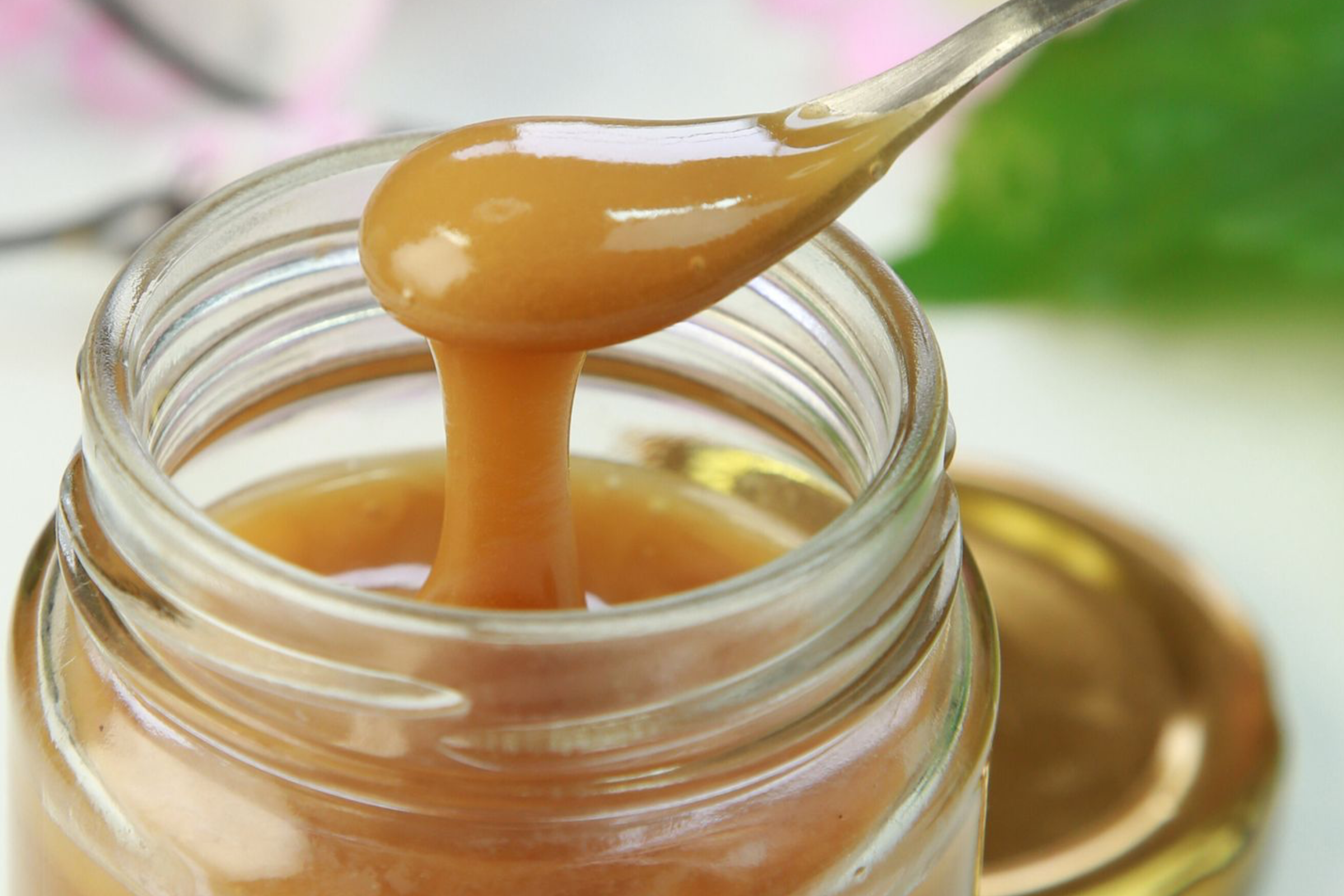
Introduction to Manuka Honey
Manuka honey is a unique type of honey derived from the nectar of the Manuka tree (Leptospermum scoparium), native to New Zealand and parts of Australia. This honey has gained significant attention not only for its remarkable flavor but also for its numerous medicinal properties. Unlike regular honey, Manuka honey possesses unique qualities attributed to the high concentration of methylglyoxal (MGO), which contributes to its potent antibacterial and anti-inflammatory effects.
The production of Manuka honey occurs when bees pollinate the flowers of the Manuka tree. This process typically occurs during the blooming period, which lasts only a few weeks each year, making this type of honey relatively rare and consequently more expensive than other honey varieties. The distinctive characteristics of Manuka honey are carefully regulated, with a grading system established in New Zealand that measures its antibacterial strength through the Unique Manuka Factor (UMF) rating. This rating system is crucial as it ensures consumers can identify high-quality Manuka honey.
Historically, Manuka honey has been used in traditional Māori medicine for its therapeutic properties. The Māori people recognized the benefits of this honey for treating wounds, soothing digestive disorders, and alleviating skin irritations long before its global popularity. This cultural significance continues to drive research into the health benefits of Manuka honey, as scientists explore its potential as a natural remedy for various ailments.
In modern health practices, Manuka honey is often recommended for its antibacterial properties and is increasingly used in health and wellness products. The growing body of research on its medicinal uses underscores its importance not only in culinary applications but also in natural health.
Medicinal Uses of Manuka Honey
Manuka honey, derived from the nectar of the Manuka tree (Leptospermum scoparium) native to New Zealand, has gained recognition for its diverse medicinal properties. One of the most notable applications of Manuka honey is its effectiveness in treating wounds. Studies indicate that its unique composition, rich in methylglyoxal (MGO), impedes bacterial growth, thereby facilitating the healing of cuts, burns, and ulcers. The honey forms a protective barrier on the skin, keeping the area moist and preventing infection, both of which are crucial for optimal healing. Moreover, the antibacterial properties of Manuka honey extend to the treatment of various infections. Research has shown that it can combat diverse pathogens, including those resistant to conventional antibiotics. This quality is particularly valuable for addressing conditions such as skin and throat infections, as well as ulcers caused by Helicobacter pylori.
In addition to its wound-healing capabilities, Manuka honey has demonstrated benefits for digestive health. It is known to soothe the gastrointestinal tract, alleviating symptoms related to conditions such as acid reflux and irritable bowel syndrome (IBS). The prebiotic characteristics of Manuka honey promote the growth of beneficial gut bacteria, enhancing digestive function and overall health.
Furthermore, its anti-inflammatory and antioxidant effects make Manuka honey a powerful agent for managing skin conditions. It has been used to reduce the severity of acne, eczema, and psoriasis by improving skin hydration and reducing irritation.
As a natural remedy with numerous medicinal uses, Manuka honey warrants further exploration through ongoing research to fully understand its potential in healthcare. Its multifaceted healing properties enhance its status as a valuable component in both alternative and complementary medicine.
Health Benefits of Manuka Honey
Manuka honey, derived from the nectar of the manuka tree native to New Zealand, is renowned not just for its unique flavor but also for its impressive health benefits. Research indicates that this honey possesses significant antibacterial properties, attributed primarily to its high methylglyoxal (MGO) content. This compound is known to boost the immune system, helping the body to fight off harmful pathogens more effectively and reducing the duration and severity of illnesses.
Furthermore, Manuka honey has been documented to improve oral health. Regular consumption of this honey can help inhibit the growth of harmful bacteria in the mouth, thereby reducing the risk of cavities and gum disease. Studies suggest that its anti-inflammatory properties can also help soothe sore throats and alleviate symptoms of upper respiratory infections. By promoting better oral hygiene, Manuka honey serves as a natural alternative to commercially available oral care products that may contain harsh chemicals.
In addition to immune and oral health benefits, individuals incorporating Manuka honey into their diets often notice improvements in digestive health. This honey acts as a prebiotic, promoting the growth of beneficial gut bacteria. A healthy gut microbiome is crucial for optimal digestion and can alleviate issues such as bloating and constipation. Research indicates that regular intake of Manuka honey may enhance overall digestive health, promoting regularity and nutrient absorption.
As with any health supplement, it is essential to consume Manuka honey in moderation. Consulting healthcare professionals before introducing any new product is advisable, particularly for individuals with underlying health conditions or those taking medications. This ensures that the numerous benefits of Manuka honey can be safely and effectively enjoyed.
Potential Side Effects and Precautions
While Manuka honey offers numerous health benefits, it is essential to consider potential side effects and precautions when incorporating it into your diet. One of the primary concerns is the risk of allergic reactions. Individuals with bee or honey allergies should avoid Manuka honey, as it can trigger reactions ranging from mild irritation to severe anaphylactic shock. Symptoms of an allergic reaction may include hives, swelling, or difficulty breathing, and immediate medical attention is required if they occur.
Additionally, Manuka honey can interact with various medications, particularly those used to manage blood sugar levels. Since honey is high in natural sugars, individuals with diabetes must exercise caution when consuming it. It is advisable for those with diabetes to closely monitor their blood glucose levels when incorporating Manuka honey into their diet and to consult healthcare professionals beforehand to avoid potential interactions.
Moreover, while Manuka honey is generally considered safe for most individuals, pregnant and breastfeeding women should use it with caution. Although no significant research indicates harmful effects, it is always prudent to err on the side of caution and seek guidance from a healthcare provider. Infants under one year of age should also not consume honey due to the risk of botulism, a rare but serious illness.
In summary, while Manuka honey can enhance health and well-being, being aware of potential side effects and taking suitable precautions is paramount. Consulting with healthcare professionals before making any dietary changes, especially for individuals with existing health conditions, will ensure a safe and beneficial experience with Manuka honey.

WeeklyMinds.com is proud to feature an author who brings a wealth of knowledge and experience to our blog. Weekly Minds is an accomplished freelancer writer with 12 years of experience in the field.
WeeklyMinds.com has a passion for sharing insights and perspectives on political, news, technology, home improvement, interiors and many more. Their unique perspective on current affairs has been featured in numerous publications and they have been a guest speaker at college fests.
WeeklyMinds.com is also an avid interest in writing and reading and enjoys singing, music, shopping, travelling and some more. In their free time, they can often be found of reading the novels and various current topics.
We are thrilled to have Elia Scala as a contributor to WeeklyMinds and look forward to their continued insights and contributions to our blog.