

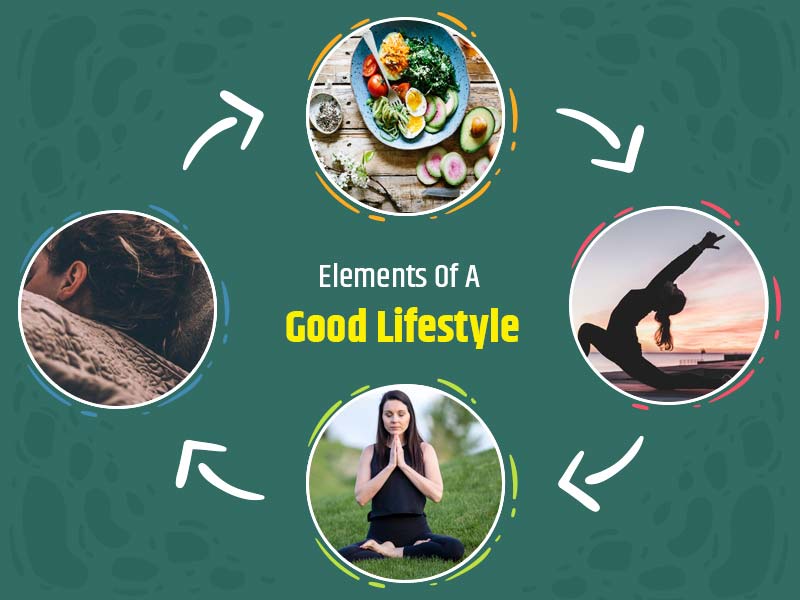
We live in an age of wellness overload. Every day brings new diets to try, supplements to take, and fitness trends to follow. Yet despite all this information, people remain confused about what actually matters for living a healthier life. The truth is more straightforward than the headlines suggest: a few fundamental lifestyle factors consistently outweigh the noise.
Sleep: The Foundation Nobody Talks About Enough
If there’s one thing that touches every other aspect of your health, it’s sleep. Poor sleep doesn’t just make you tired—it undermines your immune system, disrupts your metabolism, sabotages weight management, and impairs your ability to regulate emotions and make good decisions. Most adults need seven to nine hours of quality sleep per night. Yet many treat sleep as something to squeeze in around work and obligations, when it should be a priority. Creating a consistent sleep schedule, keeping your bedroom cool and dark, and limiting screen time before bed aren’t glamorous habits, but they work.
The benefits compound quietly. After just a few weeks of better sleep, you’ll notice improved focus, better mood stability, and a genuine reduction in cravings for unhealthy foods. Sleep is where your body heals and consolidates everything you’ve learned that day.
Movement: It Doesn’t Have to Look Like Instagram
Exercise is non-negotiable for health, but it doesn’t mean you need to become a gym enthusiast or run marathons. The goal is consistent, moderate movement that you can sustain for life.
Research consistently shows that people who move regularly live longer and experience a better quality of life. This includes better cardiovascular health, stronger bones, improved mental health, and lower rates of chronic disease. The keyword is “consistent”—showing up regularly matters far more than the intensity of any single workout.
The best exercise is the one you’ll actually do. Some people thrive with structured gym routines, others prefer cycling, dancing, swimming, hiking, or simply walking daily. Aim for at least 150 minutes of moderate activity per week, and include strength training a couple of times weekly to maintain muscle and bone density as you age. Start where you are, and build from there.
Nutrition: Focus on the Basics
The diet industry profits from complexity and confusion. In reality, good nutrition follows straightforward principles that don’t require expensive supplements or exotic foods.
Eat primarily whole foods—vegetables, fruits, legumes, whole grains, nuts, seeds, and quality proteins. These foods provide the nutrients your body needs and help you feel satisfied. Limit ultra-processed foods, engineered to be hyper-palatable and often calorie-dense yet nutrient-poor. This doesn’t mean eating processed foods, but they shouldn’t be your dietary foundation.
Drink plenty of water. Stay consistent with meal timing to help regulate hunger hormones. Please pay attention to portion sizes without obsessing over them. If you can do these things most of the time, you don’t need to count calories or follow restrictive plans. The pattern matters more than perfection on any given day.
Stress Management: The Silent Killer We Normalize
Chronic stress silently damages your body. It elevates cortisol, promotes inflammation, disrupts sleep, contributes to weight gain, and increases your risk of heart disease and mental health problems. Yet we often treat stress as an inevitable part of modern life rather than something we actively manage.
Find practices that genuinely calm your nervous system. For some people, this is meditation or yoga. For others, it’s time in nature, creative pursuits, time with loved ones, or simply sitting quietly with a cup of tea. The specific practice matters less than doing it regularly.
Even 10-15 minutes daily of something that centers you makes a measurable difference. Stress management isn’t a luxury—it’s fundamental maintenance for your physical and mental health.
Connection: The Factor We Underestimate
Your relationships may matter more for your health than your diet. Loneliness and social isolation carry health risks comparable to smoking. Conversely, strong social connections predict longevity, lower stress levels, better immune function, and improved mental health.
Make time for people who matter to you. Have meaningful conversations. Join a community or group around something you enjoy. Check in on people. These connections don’t need to be numerous—quality trumps quantity. Even a few close relationships provide significant health benefits.
The Real Secret
The unsexy truth is that healthy living comes down to doing several basic things consistently over time. It’s not about perfection or following the latest trend. It’s about prioritizing sleep, moving your body regularly, eating mostly whole foods, managing stress, and nurturing your relationships.
These factors work together synergistically. Better sleep makes it easier to exercise and resist unhealthy eating. Regular movement reduces stress and improves sleep. Strong relationships motivate healthy choices. None of these requires exceptional willpower or extreme sacrifice—they require commitment and habit.
The good news? You don’t need to overhaul your life overnight. Start with one or two areas where you’re willing to make changes. Build from there. Small, consistent improvements compound into remarkable results over months and years.

WeeklyMinds.com is proud to feature an author who brings a wealth of knowledge and experience to our blog. Weekly Minds is an accomplished freelancer writer with 12 years of experience in the field.
WeeklyMinds.com has a passion for sharing insights and perspectives on political, news, technology, home improvement, interiors and many more. Their unique perspective on current affairs has been featured in numerous publications and they have been a guest speaker at college fests.
WeeklyMinds.com is also an avid interest in writing and reading and enjoys singing, music, shopping, travelling and some more. In their free time, they can often be found of reading the novels and various current topics.
We are thrilled to have Elia Scala as a contributor to WeeklyMinds and look forward to their continued insights and contributions to our blog.