

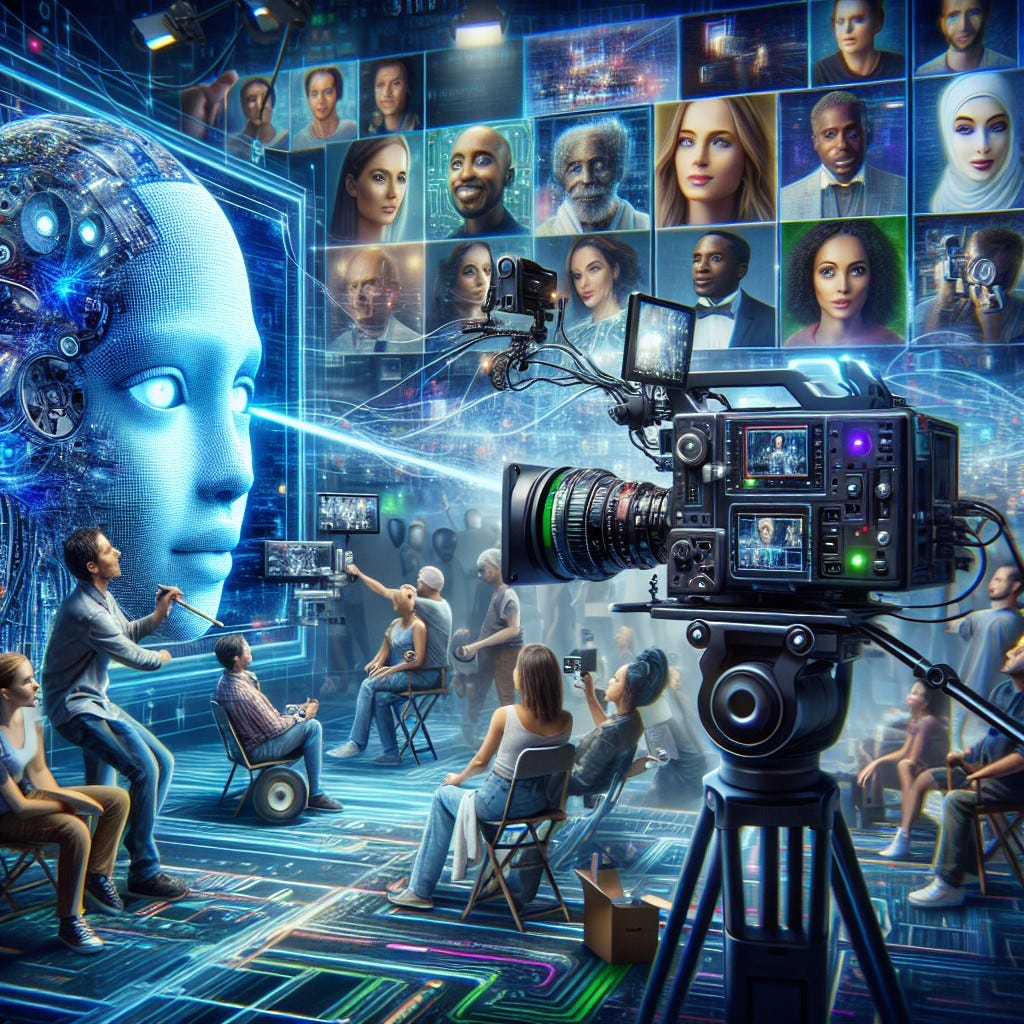
Introduction to AI in Entertainment
Artificial Intelligence (AI) has emerged as a powerful force within the entertainment industry, reshaping how content is created, distributed, and consumed. Over the past few years, the significance of AI has grown exponentially, signaling a new era in entertainment that combines innovative technology with creative expression. The application of AI spans various sectors, including film and television production, gaming, music, and live events.
In film and television, AI algorithms are being utilized for scripting, editing, and even directing. Machine learning models analyze extensive datasets to identify trends and preferences, enabling creators to develop content that better resonates with audiences. Moreover, AI-powered tools assist in visual effects and post-production processes, thus enhancing the overall quality of the final product.
Gaming has also witnessed a notable transformation due to AI advancements. Developers employ artificial intelligence to create more immersive environments and lifelike character behaviors, ensuring that player experiences are both engaging and dynamic. AI-driven analytics further support game designers in understanding user preferences, allowing them to tailor gameplay elements that retain player interest and satisfaction.
Additionally, the music industry has embraced AI to streamline music production and discovery. AI tools analyze listener habits, generating personalized playlists while also offering insights into emerging trends. This capability not only improves user experiences but also supports artists by directing them towards creative paths that may align with the evolving tastes of their audience.
As AI continues to integrate into various facets of the entertainment industry, the traditional practices that once dominated are being reevaluated and enhanced. The ongoing fusion of technology and creativity is setting the stage for an exciting future, where the boundaries of entertainment are expanded and enriched.
AI in Content Creation
The advent of artificial intelligence (AI) has significantly transformed the landscape of content creation across various realms of the entertainment industry, including film, music, and visual arts. With the aid of sophisticated algorithms and machine learning techniques, AI tools are now capable of assisting creators in diverse processes, from scriptwriting to music composition and visual effects generation.
In scriptwriting, for instance, software such as ScriptAI employs natural language processing to assist writers in generating dialogue and story ideas, streamlining the creative process. These AI tools can analyze existing scripts and offer suggestions based on established narrative structures, enabling writers to explore new creative territories while reducing the time spent on rewrites and edits. The creative partnership between human writers and AI has opened new avenues for storytelling, combining the intuitive nature of human imagination with the analytical capabilities of machines.
Moreover, in music composition, AI-driven programs like Amper Music and AIVA have emerged as useful assets for composers. These platforms enable users to create, customize, and edit music tracks with minimal effort. By harnessing algorithms trained on vast libraries of existing music, these AI applications facilitate an iterative process that inspires musicians and enhances their output, allowing for a more efficient exploration of sound palettes and styles.
Additionally, AI plays a pivotal role in visual effects (VFX), with tools such as Adobe After Effects leveraging AI algorithms to automate tasks like rotoscoping and color correction. By significantly reducing the labor required for these complex tasks, VFX artists can focus more on the creative aspects of their work. These collaborative efforts between AI and human creators demonstrate the tremendous potential of artificial intelligence to elevate the content creation process, facilitating high-quality productions that resonate with audiences worldwide.
Personalized Viewing Experiences
In recent years, artificial intelligence (AI) has dramatically reshaped the entertainment landscape, particularly through the implementation of advanced algorithms that enhance personalized viewing experiences on streaming platforms. These algorithms utilize data analytics to evaluate user behavior, preferences, and viewing history, enabling the creation of sophisticated recommendation systems tailored to individual viewers. By consistently analyzing user interactions with the platform, AI can suggest content that aligns closely with personal tastes, thereby increasing both viewer engagement and satisfaction.
For instance, platforms such as Netflix and Hulu have harnessed AI technology to develop their recommendation engines. Netflix’s algorithm analyzes countless data points—from the genres viewers engage with to the time spent watching specific titles—resulting in personalized suggestions that enhance the user’s experience. This capability not only fosters viewer loyalty but also encourages the discovery of new content that a user might not have found otherwise. Similarly, Hulu employs machine learning techniques to curate a viewing experience that resonates with its audience, adapting its recommendations based on real-time data gathered from users’ interactions.
The impact of these AI-driven systems extends beyond mere recommendations. They enable streaming services to enhance their content libraries by prioritizing the acquisition of shows and movies that align with emerging viewer trends. Through the data collected, these platforms can discern what types of content are gaining traction in specific demographics, allowing for a more strategic approach to content curation. As AI continues to evolve, it promises to refine the personalized viewing experience further, making it an integral part of the entertainment ecosystem.
Virtual and Augmented Reality
The integration of artificial intelligence (AI) with virtual reality (VR) and augmented reality (AR) is significantly transforming the entertainment industry. AI technologies play a crucial role in enhancing the immersive experiences that VR and AR offer. Through the application of machine learning algorithms and advanced data processing techniques, AI can create more dynamic and responsive virtual environments, allowing users to interact with these worlds in unprecedented ways.
In the gaming sector, AI-driven NPCs (non-player characters) represent one of the most exciting developments. By utilizing sophisticated AI models, game developers can design NPCs that adapt to players’ actions, enhancing gameplay by making it more unpredictable and engaging. These real-time adjustments, driven by AI, contribute to a richer in-game experience, drawing players deeper into the virtual reality atmosphere.
Moreover, AI is revolutionizing live entertainment through AR technologies. For instance, concerts and events can now incorporate AI to create visually stunning augmented experiences. Attendees can engage with virtual enhancements that synchronize with live performances, blurring the lines between the physical and digital realms. AI analyzes audience reactions and dynamically adjusts the AR elements to optimize engagement, thereby creating a more memorable event.
Interactive storytelling also benefits immensely from AI’s integration with VR and AR. By analyzing user preferences and behaviors, AI can tailor narratives to suit individual experiences in real-time. This capability allows for unique story arcs, where users make choices that influence the direction of the story. Overall, the collaboration of AI with virtual and augmented reality technologies marks a significant shift in how audiences consume entertainment, ushering in a new era of interaction and engagement.
AI in Marketing and Distribution
Artificial Intelligence (AI) has begun to play an integral role in the marketing and distribution of entertainment content, transforming traditional practices into highly optimized strategies. By leveraging predictive analytics and consumer behavior modeling, entertainment companies can significantly enhance their marketing efforts and reach targeted audiences more efficiently. The implementation of AI tools allows companies to analyze vast amounts of data derived from consumer interactions, preferences, and trends, which assists in crafting tailored marketing campaigns.
One of the primary advantages of utilizing AI in marketing is its capability to predict consumer preferences and viewing habits. By examining historical data and current market trends, AI systems can generate insights that inform marketing strategies, such as which promotional channels to use and what content resonates best with specific demographics. This data-driven approach enables companies to allocate their marketing budgets more effectively, ensuring that promotional efforts are not only extensive but also precise.
Furthermore, personalized marketing has become increasingly feasible with AI technology. By using machine learning algorithms, companies can segment their audience and create highly customized content recommendations. This personalized touch enhances customer engagement and fosters loyalty, ultimately leading to increased satisfaction and potential revenue. For instance, streaming platforms utilize AI-driven tools to suggest shows and movies in alignment with an individual’s viewing history, thereby enhancing user experience.
Moreover, AI technologies streamline the distribution process of entertainment content. Automation tools can analyze the performance of various distribution channels and optimize release schedules based on optimal viewer engagement times. By ensuring that content is distributed to the right platform at the right time, companies can maximize their reach and profitability. As AI continues to evolve, it holds the potential to further refine strategies in marketing and distribution, setting new standards for consumer interaction in the entertainment industry.
Enhancing Game Development with AI
Artificial Intelligence (AI) has become a pivotal force in the evolution of the gaming industry, significantly altering the way games are designed, developed, and played. By utilizing AI technologies in various aspects of game creation, developers can craft more immersive experiences, improve character interactions, and implement dynamic gameplay mechanics. This integration of AI not only streamlines the development process but also enables a deeper level of engagement for players, pushing the boundaries of traditional gaming.
One of the primary uses of AI in game design is through procedural content generation. This technique leverages algorithms to automatically create game levels, environments, and encounters, leading to unique experiences with every playthrough. For example, games like “No Man’s Sky” and “Spelunky” utilize procedural generation to provide vast, expansive worlds teeming with variety. As a result, players can find new challenges and surprises, significantly enhancing replayability.
Moreover, AI contributes to character development by crafting non-player characters (NPCs) that exhibit lifelike behaviors and decision-making abilities. Through machine learning, NPCs can learn from player interactions, adapting their strategies and responses in real-time. A notable example of this is seen in “The Last of Us Part II,” where NPCs exhibit advanced AI behaviors that allow them to communicate, react, and collaborate, enriching the overall narrative and gameplay experience.
Furthermore, AI has led to the advent of sophisticated gameplay mechanics, including adaptive difficulty adjustments that cater to individual player skill levels. By analyzing player performance, AI systems can modify in-game challenges to ensure that players remain engaged without feeling overwhelmed. This approach maintains a delicate balance between challenge and enjoyment, critical for player retention and satisfaction.
Incorporating AI into game development not only enhances user experience but also paves the way for future innovations, promising exciting prospects for the entertainment industry as it evolves. Through continued exploration and integration of AI technologies, the gaming landscape will undoubtedly continue to transform, captivating audiences around the globe.
AI in Audience Engagement
The integration of artificial intelligence (AI) in the entertainment industry has significantly reshaped how companies engage with their audiences. By leveraging advanced technologies, entertainment firms have transformed interactive experiences, fostering a more profound connection between creators and fans. One prominent application of AI is through the deployment of chatbots, which enhance user interaction on social media platforms and websites. These chatbots are designed to deliver real-time responses to fan inquiries, provide personalized recommendations, and facilitate seamless navigation through entertainment content. As a result, audiences feel more valued, leading to increased loyalty and engagement.
Furthermore, the emergence of virtual influencers presents another fascinating dimension of audience engagement. These computer-generated personalities can interact with fans on social media, promoting films, shows, or music while maintaining a relatable persona. By utilizing AI algorithms, these virtual influencers can analyze audience preferences, adapt their content, and create tailored interactions that resonate with viewers. This unique approach not only captivates audiences but also encourages them to develop a sense of identity with these AI-driven characters.
Additionally, AI plays a pivotal role in audience analytics during live events and premieres. By collecting and analyzing data from social media interactions, streaming behaviors, and real-time feedback, entertainment companies can gain insights into audience sentiments and preferences. This crucial data informs how creators craft their future content and marketing strategies, effectively enhancing the overall audience experience. As AI technology continues to evolve, its application in audience engagement will likely deepens, offering new avenues for creators to foster connections and cultivate a dedicated following.
Addressing Challenges and Ethical Considerations
The integration of artificial intelligence (AI) in the entertainment industry brings forth numerous challenges and ethical dilemmas that warrant thorough examination. One of the predominant concerns is job displacement. As AI technologies advance, they are capable of performing tasks traditionally executed by human professionals, such as scriptwriting, editing, and even acting. This leads to anxiety about the potential obsolescence of certain job roles within the industry, prompting discussions about how to balance technological innovation with workforce stability. It is crucial for industry stakeholders to consider strategies for reskilling and upskilling workers to adapt to a changing landscape.
Additionally, copyright issues have emerged as a significant concern within the realm of AI-generated content. As artists increasingly utilize AI algorithms to produce music, art, and script material, questions arise regarding ownership and intellectual property rights. Who owns the creations produced by AI? Should the creators of the AI be credited, or should the AI itself receive recognition? The legal frameworks governing copyright are often ill-equipped to address these nuanced questions, leading to uncertainties that could affect creators and consumers alike.
Moreover, the potential for bias in both content generation and consumption is a critical ethical consideration. AI systems can inadvertently perpetuate existing biases present in their training data, leading to skewed representations and reinforcing stereotypes. This is particularly concerning in entertainment where diverse and accurate representation is essential. It is imperative for creators and companies to implement robust mechanisms for evaluating and mitigating bias in AI applications, ensuring that the content produced fosters inclusivity and equity.
As the entertainment industry continues to integrate AI technologies, navigating these challenges requires a commitment to ethical practices. The responsibilities of creators and companies to address these issues head-on will shape the future landscape of entertainment, ideally leading to a balanced coexistence between innovation and ethical integrity.
The Future of AI in Entertainment
As we look toward the future, the influence of artificial intelligence in the entertainment industry is poised to expand in numerous and profound ways. With technological advancements continually reshaping how content is created, distributed, and experienced, AI is set to play an even more critical role in enhancing creativity and personalizing viewer experiences. One of the most significant emerging trends is the use of AI in content curation, which allows for sophisticated algorithms to analyze viewer preferences and suggest personalized recommendations. This approach is expected to become increasingly refined, enhancing user engagement and satisfaction.
Moreover, we anticipate that AI will facilitate the automation of various aspects of content production. From scriptwriting to video editing, AI-powered tools can analyze data and trends to generate more relatable and compelling stories, significantly reducing the time and effort required by human creators. The predictive capabilities of AI can also be harnessed to forecast audience reactions to specific genres or themes, providing invaluable insights for both creators and marketers in an industry where audience preferences are ever-changing.
Collaboration between humans and AI is destined to evolve, leading to innovative formats of storytelling and creative expression. Future developments may allow for entirely new genres of entertainment to emerge, blending traditional storytelling with interactive and adaptive experiences. This could include immersive virtual reality environments or AI-generated narratives that adapt in real-time based on viewer interactions, leading to truly unique experiences.
In conclusion, as we embrace ongoing advancements in AI technology, its integration within the entertainment industry is sure to reshape the creative landscape. By predicting trends and enhancing the creative process, AI stands to revolutionize the way content is produced, consumed, and experienced, heralding a new era for both creators and audiences alike.

WeeklyMinds.com is proud to feature an author who brings a wealth of knowledge and experience to our blog. Weekly Minds is an accomplished freelancer writer with 12 years of experience in the field.
WeeklyMinds.com has a passion for sharing insights and perspectives on political, news, technology, home improvement, interiors and many more. Their unique perspective on current affairs has been featured in numerous publications and they have been a guest speaker at college fests.
WeeklyMinds.com is also an avid interest in writing and reading and enjoys singing, music, shopping, travelling and some more. In their free time, they can often be found of reading the novels and various current topics.
We are thrilled to have Elia Scala as a contributor to WeeklyMinds and look forward to their continued insights and contributions to our blog.