

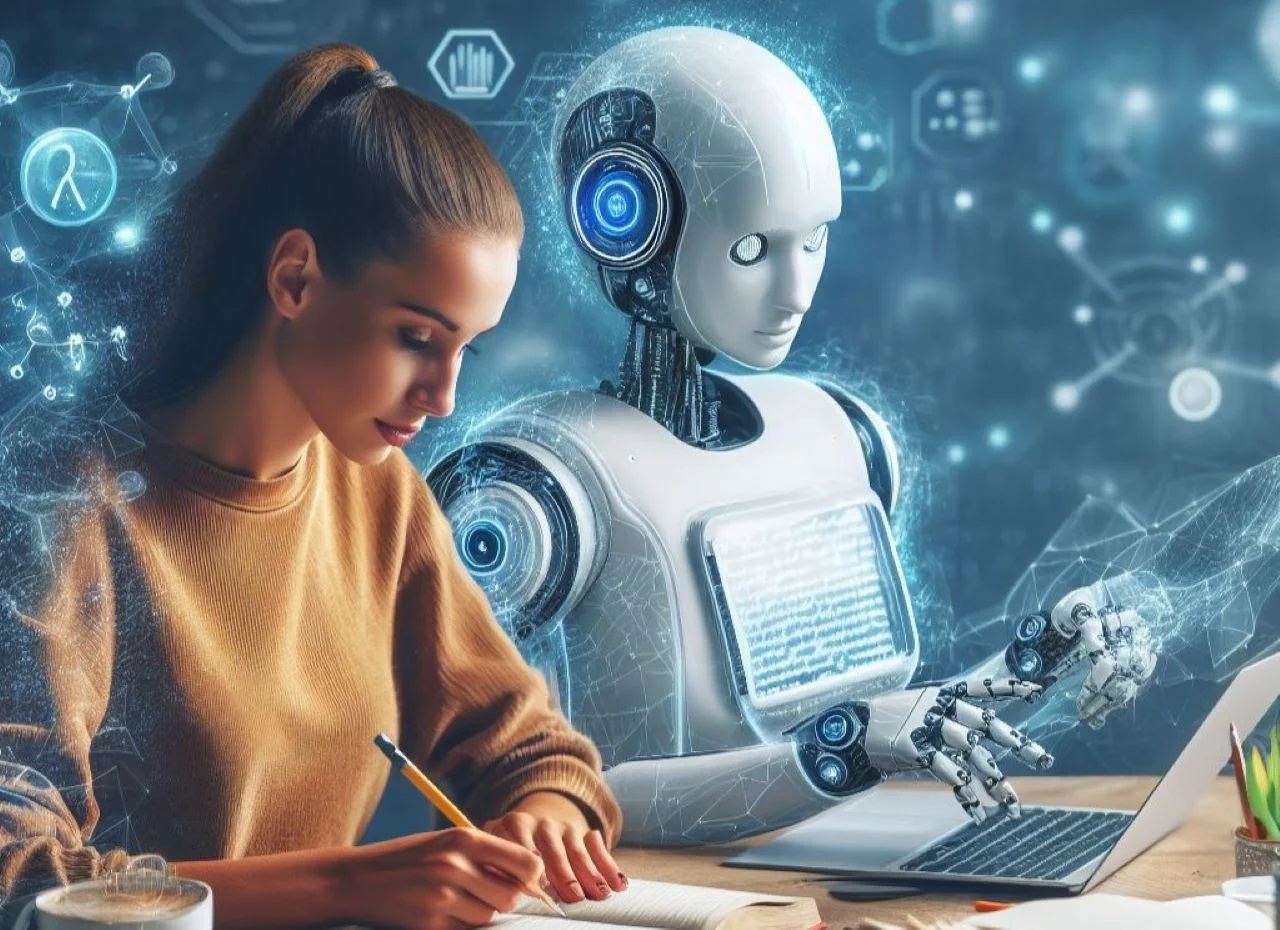
AI is no longer a technology of the future; it is now a major force that is changing how we live, work, talk to each other, and make choices. AI will have a big, long-lasting, and life-changing effect on society as it continues to get better. AI is going to change everyday life in a big way, from health care and education to transportation and government. Its effects create amazing opportunities, but they also raise moral, social, and economic issues that people need to deal with in a responsible way.
Changing the way healthcare works
AI is about to make healthcare more accurate, efficient, and easy to get. Advanced algorithms can find diseases earlier, read medical images with amazing accuracy, and make treatment plans that are specific to each person’s genetic data. AI-powered diagnostics and virtual health assistants make it easier for people to get good care, especially in rural areas. In the future, AI will help doctors and nurses make better, faster decisions, predict outbreaks, and support mental health interventions. This leads to longer lives, better outcomes for patients, and lower medical costs.
Changing the way people work and the jobs they do
AI in the workplace will have a big effect on how people do their jobs. Automation will make fewer repetitive and manual tasks necessary, which will change jobs in manufacturing, transportation, and administrative roles. AI won’t get rid of jobs, but it will make new ones in fields like data science, robotics, cybersecurity, and AI management. As people work with machines, they will need to keep learning new skills all the time. This change will make societies change their schools, put more emphasis on digital literacy, and help workers through changes.
Changing Education
Tools that use AI are starting a new era of personalized learning. Intelligent tutoring systems look at how students learn and change lessons to fit each student’s needs. AI can grade papers, find gaps in students’ knowledge, and guess how well they will do, which lets teachers spend more time on mentoring and emotional support. In the future, classrooms may use immersive technologies that let students learn by doing things in virtual worlds. AI can make knowledge more available to everyone by closing gaps in learning and making education more accessible.
Improving Daily Life and Smart Living
AI is becoming more and more a part of everyday life. For example, smart homes that automatically change the temperature and lighting, virtual assistants that keep track of schedules, and apps that suggest everything from movies to groceries. As AI gets better at understanding what people want, it will make everyday tasks easier and faster. Cities will use AI to improve traffic flow, public safety, and energy use, making city living more sustainable and responsive to the needs of residents.
Leading the Way in Transportation Innovation
Self-driving cars, drones, and smart logistics systems are going to change the way we get around. Self-driving cars promise safer roads by making it less likely that people will make mistakes. AI-driven traffic systems cut down on traffic and find the best routes for travelers. Drones will help with deliveries, emergency services, and keeping an eye on farms. These improvements will change how people and goods move, making it faster, safer, and more efficient.
Changing culture, media, and communication
AI changes the way people talk to each other, share information, and watch videos. Algorithms choose what to show you on social media, suggest things to do, and make your digital experiences more personal. This makes users more interested, but it also makes it harder to deal with false information, digital privacy, and echo chambers. AI-generated art, music, and writing are pushing the limits of creativity and making people think about who made the work and how original it is. As AI becomes a partner in creativity, culture will change in ways we never expected.
Making public services and government stronger
Governments all over the world are using AI to make public services better, like smart urban planning, predictive policing, and disaster management. AI can make administrative tasks easier, cut down on inefficiencies in government, and make things more open. But it needs to be used carefully in government to make sure that it is fair, protects privacy, and stops biases from affecting important decisions that affect citizens.
Problems with ethics, society, and privacy
As AI gets better, society has to deal with some big moral issues. Data privacy, surveillance, algorithmic bias, and job loss are just a few of the problems that need strong rules and frameworks. It will be very important to make sure that AI systems are open, responsible, and fair. People will trust AI more if it is developed responsibly and with rules that put human rights and social justice first.
How the economy and power in the world work
AI will add trillions to the world economy and give countries that are good at coming up with new ideas an edge. Countries with advanced AI will have an impact on international competition, cybersecurity, and digital infrastructure. This technological revolution will change the way power works around the world, leading to more money being spent on research, talent, and AI-driven businesses. Companies that are quick to adapt will do well, but those that don’t may fall behind.
The Future: A Society That Is Smarter and More Connected
The effect of AI on society will depend on how people choose to use it in the end. AI can make the world a better place by making it more fair, efficient, and welcoming if it is used wisely. It could make people healthier, level the playing field, and help solve difficult global problems like climate change, access to healthcare, and sustainable development.
In conclusion, artificial intelligence will change society in big ways, changing industries, the roles of people, and the way we interact with the world. AI has the potential to do amazing things, but we need to be careful about how we deal with the problems it creates to make sure it becomes a good thing. The future will be smarter and more connected for societies that welcome new ideas, invest in skills, and put ethical AI practices first.

WeeklyMinds.com is proud to feature an author who brings a wealth of knowledge and experience to our blog. Weekly Minds is an accomplished freelancer writer with 12 years of experience in the field.
WeeklyMinds.com has a passion for sharing insights and perspectives on political, news, technology, home improvement, interiors and many more. Their unique perspective on current affairs has been featured in numerous publications and they have been a guest speaker at college fests.
WeeklyMinds.com is also an avid interest in writing and reading and enjoys singing, music, shopping, travelling and some more. In their free time, they can often be found of reading the novels and various current topics.
We are thrilled to have Elia Scala as a contributor to WeeklyMinds and look forward to their continued insights and contributions to our blog.