

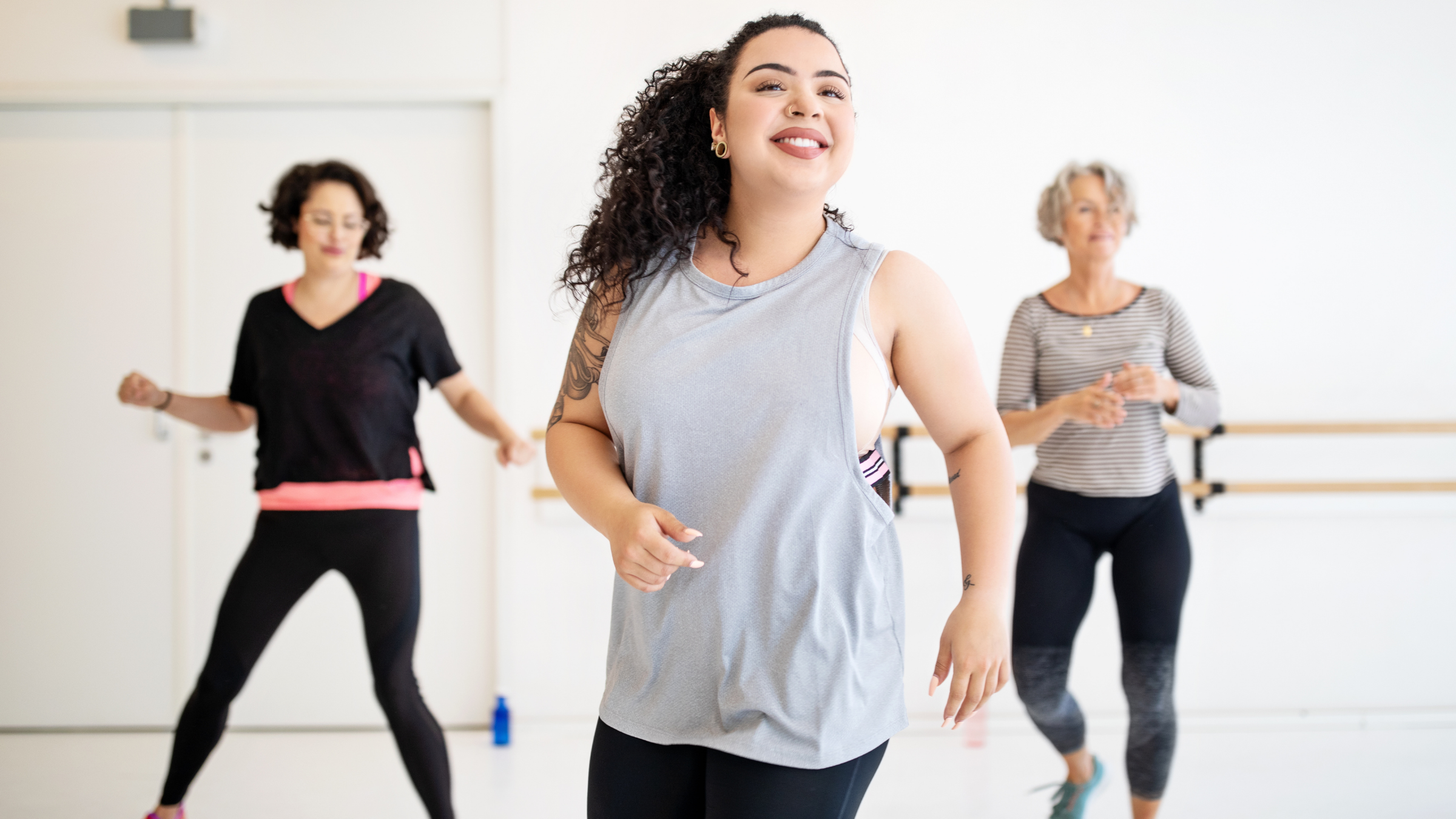
In a culture that often equates fitness solely with weight loss and aesthetic perfection, it is easy to view exercise as a punishment for what we ate or a chore to “fix” our flaws. However, a growing body of psychological research and personal narratives suggests that fitness can be one of the most powerful tools for cultivating genuine body positivity. When we shift our focus from how our bodies look to what they can do, we unlock a profound sense of appreciation and self-respect.
The Shift from Form to Function
The most transformative aspect of fitness is the cognitive shift from “form” (aesthetics) to “function” (performance). When you train for a specific goal—whether it is running your first 5K, lifting a heavier deadlift, or holding a yoga pose—your body becomes an instrument rather than an ornament.
Psychologists refer to this as “functionality appreciation.” Instead of scrutinizing your legs for cellulite, you begin to value them for their power to carry you up a hill. Instead of critiquing your arms for being too soft, you appreciate their ability to lift your children or groceries with ease. This perspective creates a buffer against negative body image; when you respect your body’s capabilities, its perceived aesthetic imperfections become far less significant.
Building Self-Efficacy and Confidence
Consistently engaging in fitness builds “self-efficacy”—the belief in your own ability to succeed. Every time you finish a workout you didn’t think you could do, or hit a personal best, you provide yourself with concrete evidence of your own strength and resilience.
This confidence inevitably bleeds into how you view your body. It is difficult to hate a body that has just carried you through a marathon or deadlifted your body weight. For many, this is where the healing begins. For example, many weightlifters report that the sport’s objective metrics (weight on the bar) provide a sense of accomplishment independent of the scale or the mirror. The focus shifts from “I am strong” to “I am small,” a crucial reframing for body acceptance.
The Physiology of Mood and Perception
There is also a direct physiological link between exercise and a more positive self-image. Physical activity releases endorphins, dopamine, and serotonin—neurotransmitters that not only boost mood but can actually alter self-perception.
Research indicates that people often perceive their bodies more positively immediately after exercise, regardless of whether any physical changes have occurred. This “post-workout glow” is not just sweat; it is a neurochemical reset that reduces anxiety and depressive symptoms, making the inner critic quieter. Regular movement helps regulate stress hormones like cortisol, which are often linked to negative self-talk and body dysmorphia.
Mindfulness and Body Connection
Specific forms of fitness, such as yoga and distance running, encourage a state of mindfulness that reconnects the mind to the body. For those struggling with body image, the body is often viewed as an “enemy” or a separate entity to be controlled.
Mindful movement bridges this gap. In yoga, practitioners are taught to listen to their bodies, respect their limits, and breathe through discomfort. This practice of “embodiment”—living in your body rather than looking at it—fosters compassion. Personal stories from the yoga community often highlight how the mat becomes a sanctuary where the body is honored for its presence and breath, rather than judged for its shape.
Finding a Supportive Community
Finally, the social environment of performance-based fitness can be a potent antidote to toxic diet culture. While some gym environments can be superficial, many communities—such as CrossFit boxes, run clubs, or hiking groups—celebrate effort and grit over thinness.
Being surrounded by people of all shapes and sizes who are pursuing health and performance helps normalize body diversity. It reinforces the truth that fit bodies look different on everyone. When you see a peer with a similar body type achieving incredible feats, it validates your own potential and dismantles the narrow beauty standards often portrayed in the media.
Conclusion
Fitness leads to body positivity, not by changing your body to fit a mold, but by changing your mind to appreciate the mold you are in. It turns the body from a passive object of judgment into an active vessel of experience. By celebrating strength, endurance, and vitality, exercise becomes an act of self-care rather than self-destruction, allowing you to make peace with the skin you are in.

WeeklyMinds.com is proud to feature an author who brings a wealth of knowledge and experience to our blog. Weekly Minds is an accomplished freelancer writer with 12 years of experience in the field.
WeeklyMinds.com has a passion for sharing insights and perspectives on political, news, technology, home improvement, interiors and many more. Their unique perspective on current affairs has been featured in numerous publications and they have been a guest speaker at college fests.
WeeklyMinds.com is also an avid interest in writing and reading and enjoys singing, music, shopping, travelling and some more. In their free time, they can often be found of reading the novels and various current topics.
We are thrilled to have Elia Scala as a contributor to WeeklyMinds and look forward to their continued insights and contributions to our blog.