

Check-In and Arrival
When you get to the dentist for a cleaning, which is also called a prophylaxis, the first thing they do is update your medical history. The dental hygienist will ask you about any new health problems, medications, pregnancies, or other changes that could affect how you take care of your teeth. This step makes sure that the cleaning is safe and right for you. They might also check your blood pressure or look at your most recent X-rays to look for problems that aren’t obvious, like cavities or bone loss.
Checkup of the mouth
Before any cleaning begins, the hygienist looks at your whole mouth with a small mirror. They look for signs of oral cancer or other problems in your tongue, throat, and cheeks, as well as decay, cracks, or wear in your teeth. They also check your gums for inflammation, pockets, or bleeding. This test helps find problems early, sometimes even before you notice them. If gum disease causes deep pockets, a more thorough deep cleaning may be suggested instead.
Scaling: Getting rid of plaque and tartar
Scaling is the most important part of the cleaning. The hygienist removes plaque, which is a sticky film of bacteria, and tartar, which is hardened plaque that is also called calculus. They scrape above and below the gumline with a handheld scaler or an ultrasonic device that vibrates and sprays water. Most people don’t feel any pain when they use the ultrasonic tool, but it makes a high-pitched sound and feels ticklish. This step is very important because brushing at home won’t get rid of tartar, which is full of bacteria that can cause cavities and gum disease.
Polishing for a Smooth Finish
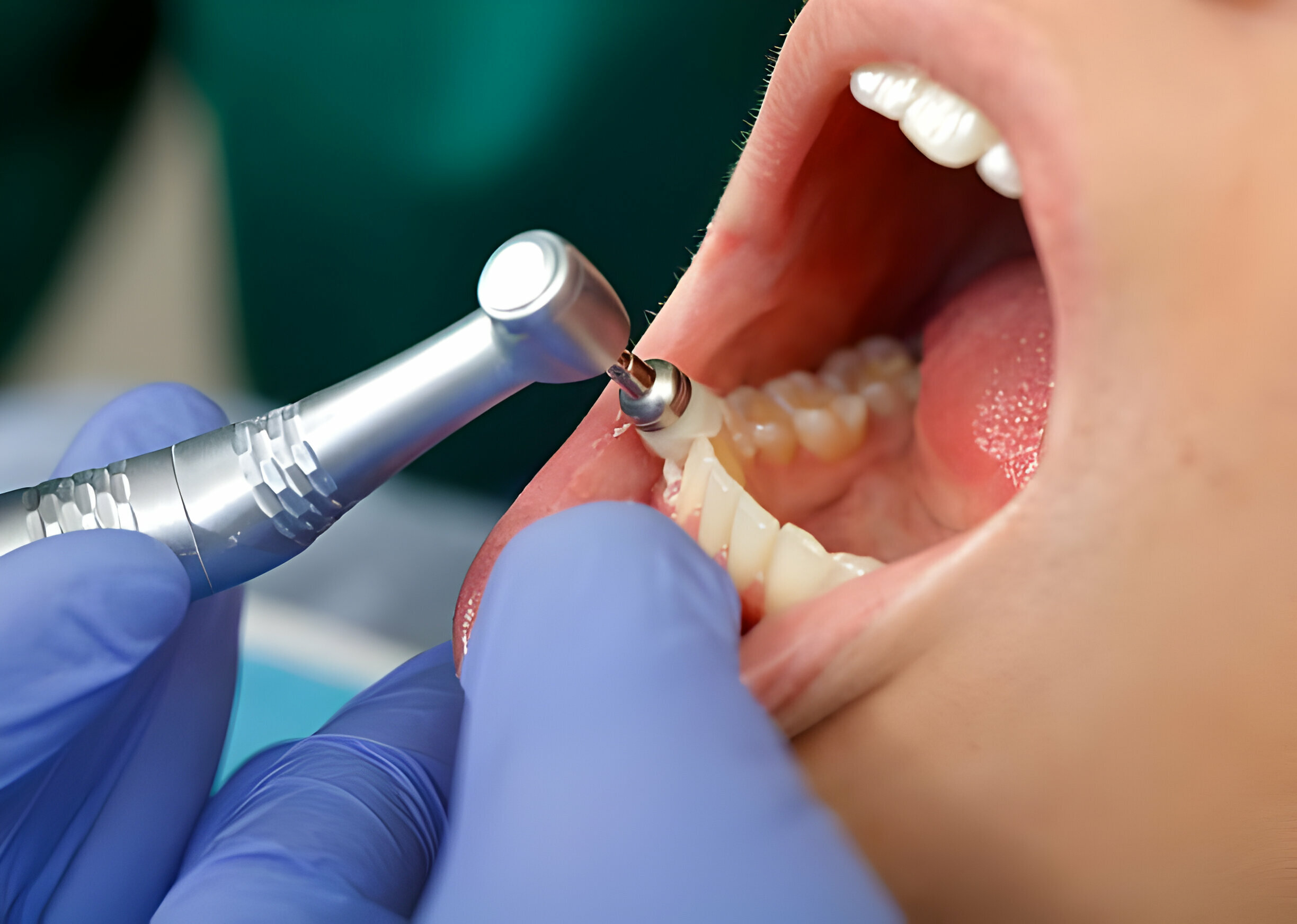
Your teeth get a professional polish after scaling. The hygienist uses a spinning rubber cup or brush on a low-speed handpiece to put on a gritty toothpaste called prophylaxis paste. This gets rid of any last stains on your teeth from coffee, tea, or tobacco, leaving them smooth and shiny. The paste tastes like mint or bubblegum, and the process feels like a gentle scrub with a buzzing feeling. Polishing makes it harder for plaque to stick, so you feel like you just got your teeth cleaned.
Professional Flossing and Rinsing of Debris
The hygienist does a thorough professional flossing to get rid of any leftover paste, plaque, or food particles between teeth, even if you floss every day. If necessary, they will show you the right way to do things and look for tight contacts or bleeding gums. After that, you rinse, usually with a mouthwash that has fluoride in it that you swish around and spit out. This cleans out the debris and begins to shield your enamel from acid attacks.
Fluoride treatment for extra protection
A fluoride treatment, which can be a gel, foam, or varnish painted on your teeth or put on a tray, is usually the last step in the cleaning process. Fluoride makes enamel stronger, stops early decay, and makes teeth less sensitive. It tastes like fruit or mint and sets up quickly. This step is very important for preventing cavities in kids and adults who are at high risk. Afterward, you won’t be able to eat or drink for 30 minutes.
Final Dentist Review and Tips for Home Care
The dentist comes in for a final exam, checks the alignment of the bite, and talks about what they found. They may suggest using fluoride toothpaste twice a day, flossing once a day, and maybe using antimicrobial rinses or interdental brushes. If there was a lot of tartar buildup, they might tell you to come in more often. You might need to get X-rays every year to check what’s going on under your gums.
Why It Matters: More Than Just Clean Teeth
Getting your teeth cleaned by a professional every six months stops gingivitis from turning into periodontitis, which can lead to tooth loss and is linked to heart disease and diabetes. They get rid of stains to make your smile brighter, freshen your breath, and find problems early, which saves you time and money on future treatments. You can make the most of these visits for good oral health for life by following good habits at home.

WeeklyMinds.com is proud to feature an author who brings a wealth of knowledge and experience to our blog. Weekly Minds is an accomplished freelancer writer with 12 years of experience in the field.
WeeklyMinds.com has a passion for sharing insights and perspectives on political, news, technology, home improvement, interiors and many more. Their unique perspective on current affairs has been featured in numerous publications and they have been a guest speaker at college fests.
WeeklyMinds.com is also an avid interest in writing and reading and enjoys singing, music, shopping, travelling and some more. In their free time, they can often be found of reading the novels and various current topics.
We are thrilled to have Elia Scala as a contributor to WeeklyMinds and look forward to their continued insights and contributions to our blog.