

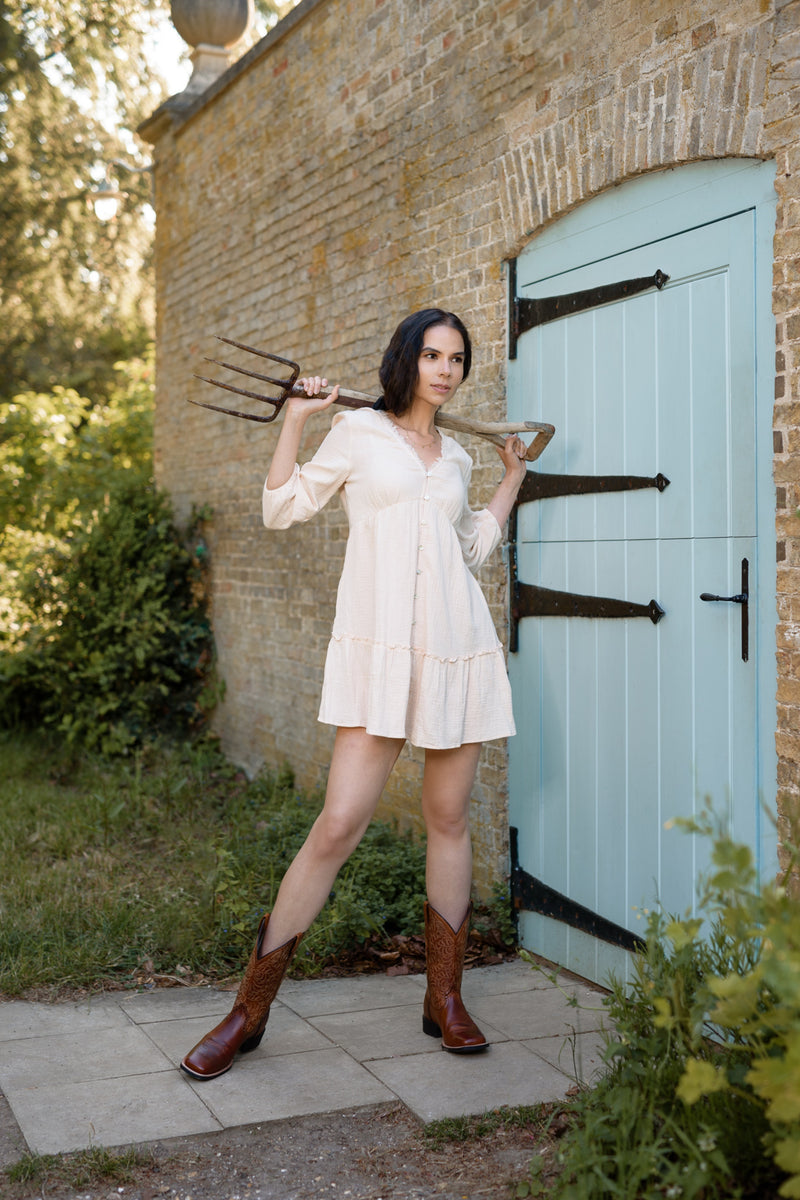
Understanding Your Body Shape
Knowing your body shape is crucial when selecting the perfect western dress. Understanding your silhouette allows you to choose styles that not only fit well but also enhance your natural features. There are several common body shapes, including hourglass, pear, apple, and rectangle, each with its distinct characteristics and flattering styles.
The hourglass shape, defined by a well-proportioned bust and hips with a narrower waist, typically looks great in fitted dresses that highlight the waistline. Styles such as wrap dresses or fit-and-flare silhouettes are excellent choices, as they accentuate curves while providing a balanced proportion throughout the body.
For those with a pear shape, where the hips are wider than the bust, A-line dresses are particularly flattering. This style gradually widens from the waist down, providing a balanced look. Additionally, dresses with embellished or structured tops can draw attention upwards, further enhancing proportions.
Individuals with an apple shape may carry weight around their midsection, making empire waist dresses a favorable option. These dresses feature a high waistline that flows elegantly over the stomach, creating a flattering silhouette. Shift dresses can also be a good choice, allowing for ease of movement without clinging to the body.
Lastly, the rectangle body shape, where the bust, waist, and hips are fairly uniform, benefits from dresses that create the illusion of curves. Styles such as belted dresses or those with ruffles can add dimension and shape. Understanding these guidelines enables individuals to make informed choices that enhance their unique body type and ensure a more confident and stylish appearance in western dresses.
Choosing the Right Fabric and Comfort Level
When selecting a western dress, the fabric plays a crucial role in both comfort and style. Common fabrics used for these dresses include cotton, denim, polyester, rayon, and blend materials. Each fabric has distinct properties that can influence how a dress feels and performs in different conditions. For instance, cotton is a highly breathable and natural material that excels in warmer weather. It absorbs moisture and allows air circulation, making it an excellent choice for summer outings. Cotton dresses often come in a variety of styles and designs, adding to their appeal.
Denim, another popular choice, provides durability and a timeless aesthetic. While typically heavier than cotton, denim can be worn year-round depending on the weight and blend. Lighter washes offer more breathability in summer, while darker, heavier denim is ideal for fall and winter. Pairing denim dresses with various layers can enhance comfort across diverse settings.
Polyester is a synthetic fabric known for its versatility and wrinkle resistance. This material often provides a smooth texture and maintains its shape well. For special occasions, consider dresses made from polyester blends, which may include a touch of spandex for added stretch and comfort. Rayon, often used in western dresses, is lightweight and drapes beautifully, making it suitable for both casual and dressier occasions.
When choosing the right fabric for your western dress, it is essential to consider the weather conditions and the intended occasion. For hot climates, opt for lightweight and breathable fabrics that facilitate movement and airflow. In contrast, heavier fabrics can be beneficial for cooler seasons, providing warmth and a cozy feel. Always check for labels that indicate fabric weight and breathability, ensuring that your choice aligns with the expected conditions, enabling you to remain comfortable and stylish.
Identifying Personal Style and Fashion Trends
When it comes to choosing the right western dresses, it is essential to first identify your personal style. Western fashion is versatile, encompassing a variety of aesthetics, including bohemian, vintage, and modern western styles. Each of these categories has distinct characteristics that can resonate differently with individuals, making it crucial to find what aligns with your unique taste. Bohemian styles often embrace flowing fabrics, earthy tones, and intricate embroidery, evoking an artistic and free-spirited vibe. In contrast, vintage western dresses may draw inspiration from classic designs with a contemporary twist, often incorporating retro prints and silhouettes. Modern western styles, which merge traditional elements with current trends, can provide a chic and polished look that is suitable for various occasions.
In addition to defining your personal style, staying attuned to current fashion trends can greatly enhance your wardrobe selections. Trends such as bold colors, unique patterns, and sustainable materials have gained popularity in recent years and can be seamlessly integrated into western dress choices. For instance, a bohemian dress in vibrant hues can merge classic styling with the contemporary trend of color-blocking. Opting for patterns like florals or paisley prints can further elevate your outfit while resonating with the current market preferences.
Moreover, it’s important to emphasize authenticity when selecting dresses. Fashion should reflect who you are; hence, choosing pieces that resonate with your personality will not only enhance your confidence but also ensure that your overall look feels genuine. Assess your comfort levels with various styles and integrate trending elements gradually, ensuring that they do not overshadow your established personal taste. Balancing your unique preferences with fashion trends allows you to curate a wardrobe that is both stylish and true to yourself.
Accessorizing Western Dresses for a Complete Look
Accessorizing plays a pivotal role in enhancing the appeal of western dresses, transforming an ordinary outfit into a stunning ensemble. The right accessories not only complement the dress itself but also reflect personal style and elevate the overall look. Key accessory choices include belts, hats, jewelry, and footwear, each serving its own unique purpose.
Belt selection is crucial when accessorizing western dresses. A well-chosen belt can define the waist and add structure to the outfit, making it more flattering. Opt for wide leather belts with intricate designs or classic braided styles that echo the essence of western fashion. Experimenting with materials, colors, and textures can create diverse styles. For instance, pairing a denim dress with a brown leather belt can create a rustic vibe, while a metallic belt can instill a contemporary twist.
Hats are another classic accessory that successfully anchors a western look. Wide-brimmed hats or cowboy hats not only provide protection from the sun but also enhance the western aesthetic. Selecting a hat in neutral tones or incorporating a patterned band can harmonize the entire outfit. Jewelry also adds a distinct touch; consider layering necklaces of different lengths or wearing bold statement earrings. However, balance is key—if your dress is embellished, opt for more subtle jewelry pieces to avoid overwhelming the look.
Footwear should be chosen to correspond with the occasion and the dress style. Cowboy boots often exemplify the western vibe and can be paired with dresses for both casual and formal settings. A heeled boot can effortlessly transition a dress from day to night while maintaining comfort. To ensure cohesion, be mindful of color coordination across all accessories, creating a harmonious balance that completes the outfit flawlessly. Combining these elements allows for versatility in transitioning from daytime outings to evening events.

WeeklyMinds.com is proud to feature an author who brings a wealth of knowledge and experience to our blog. Weekly Minds is an accomplished freelancer writer with 12 years of experience in the field.
WeeklyMinds.com has a passion for sharing insights and perspectives on political, news, technology, home improvement, interiors and many more. Their unique perspective on current affairs has been featured in numerous publications and they have been a guest speaker at college fests.
WeeklyMinds.com is also an avid interest in writing and reading and enjoys singing, music, shopping, travelling and some more. In their free time, they can often be found of reading the novels and various current topics.
We are thrilled to have Elia Scala as a contributor to WeeklyMinds and look forward to their continued insights and contributions to our blog.