


A New Era of Pain Relief Begins
The ongoing search for drug-free, non-invasive, and effective ways to manage pain has led to major advances in wearable technology. The Kailo Flex Pain Patch is one of the newest products on the market. It is a unique product that claims to be a revolutionary alternative to traditional pain relief methods like pills, creams, and topical patches. This product makes a big claim in a crowded market: it can “turn down the volume” on pain by interacting with the body’s natural electrical system, often within minutes of being applied. The Flex version is made to be more flexible and durable, so it’s good for people who are active and for use on areas of the body that move a lot, like the knees, ankles, and feet. Because it uses micro-technology instead of transdermal drug delivery, it’s worth taking a closer look at how it works, what benefits it offers, and how users feel about it.
The Science Behind the “Bio Antenna” Technology
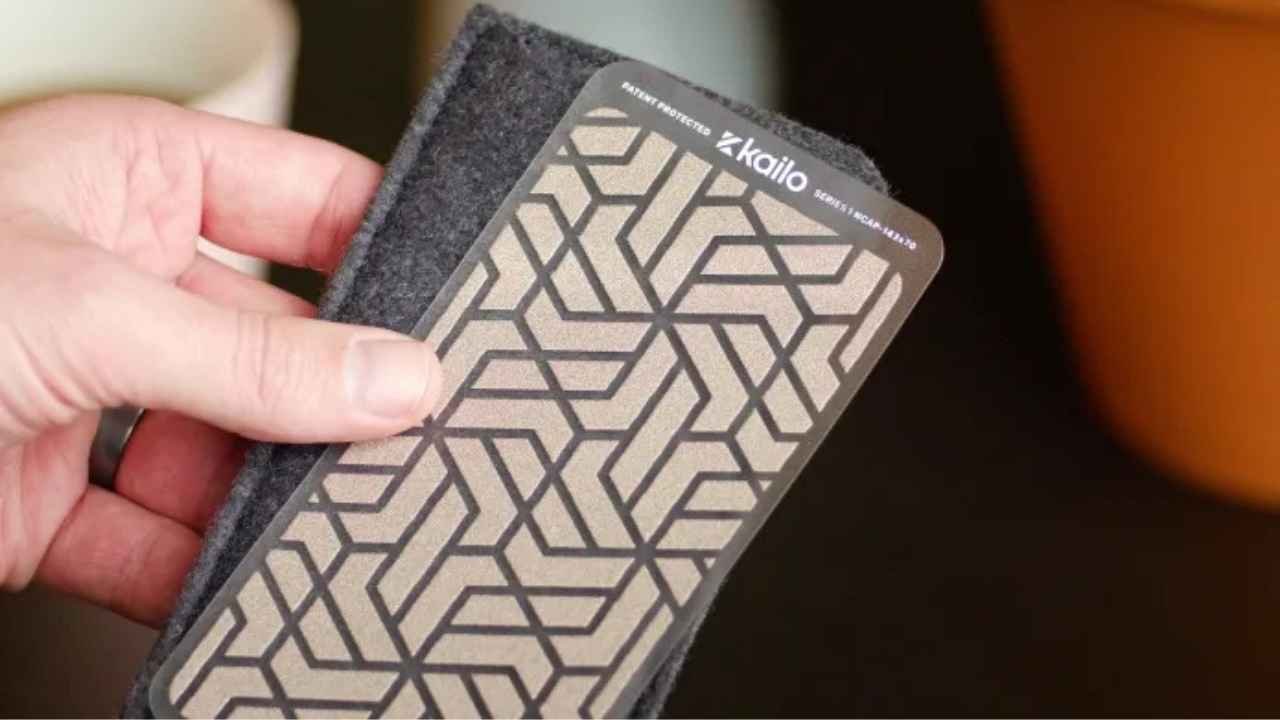
The Kailo Flex Pain Patch works thanks to its patented technology, which uses a huge number of tiny, non-transdermal micro-capacitors that are built into the patch material. These conductors and semiconductors, which are often made of common materials like copper and silver, are designed to work like a “bio antenna.” The manufacturer says that the main idea is that pain happens when electrical signals that aren’t working right travel along the body’s nervous system pathways to the brain. The Kailo patch doesn’t need any outside power to work; it works with the body’s own electrical system. It is thought to passively take in or “clean up” these broken or disruptive pain signals, which helps the body communicate more clearly and restore a more normal flow of signals.
This interaction is what the patch is said to do to help the brain talk to the painful area again, which makes the pain signal seem less intense. The exact neurobiological mechanism is still being debated in the scientific community, with some experts saying that the proposed mechanism doesn’t fit with what we know about pain neurobiology. However, the company says that the patch works like an electrical filter or bridge. It improves signal integrity by using the body’s own energy, which is the key to its drug-free, non-chemical way of reducing pain.
The “Flex” Advantage: Design and Usefulness
The Kailo Flex Pain Patch is different from the original Kailo patch mainly because of the materials used to make it. It is more flexible and lasts longer. It is made of a material that looks like paper, is soft and very flexible, and doesn’t tear easily. This makes it perfect for putting on joints that are always moving and bending. This design makes sure that the patch can stay in direct contact with the skin and stay comfortable, even when you are doing a lot of physical activity. The Flex patch is made to be used more than once and can last for one to two months. This makes it a more durable and possibly cheaper option than patches that can only be used once.
Most of the time, each Flex patch comes with a few silicone-based adhesive strips that are safe for the skin and can be put directly on the skin. The “trial and error” placement method is an important user instruction. Users should first put the patch on or near the painful area, and then slowly move it along the nervous system pathway, usually toward the brain, to find the exact spot that gives them the most immediate and deep relief. The patch’s effectiveness depends on this exact placement, which is often not directly on the area of discomfort. This supports the idea that it is controlling a neurological signal rather than a localized chemical process. The patch is also waterproof and sweatproof, so you can wear it all day, even when you shower, swim, or work out.
User Experience, Effectiveness, and Claims
The best thing about the Kailo Flex Pain Patch is that there are stories and claims from the company that it works. Users often say that the pain goes away very quickly, usually within seconds to a minute of putting it in the right place. The patch is said to work for a lot of different types of pain, like chronic back pain, knee pain, migraines, neck pain, and even menstrual cramps. It is much more appealing because it doesn’t involve drugs, which means it doesn’t have the systemic side effects that come with taking oral pain medications. This is what makes it especially appealing to people who want natural cures or people who have chronic pain and want to cut back on their use of drugs.
The manufacturers have cited studies on nanocapacitor-based devices that show a decrease in pain and analgesic use over time compared to a baseline as clinical support. But the scientific consensus is still growing, and critics often point out that there isn’t enough independent, placebo-controlled, peer-reviewed research that clearly proves the mechanism of action or that it works better than a placebo. Nonetheless, the patch has gained a significant following, with numerous testimonials extolling its efficacy in alleviating pain to a manageable level, frequently indicating that although it may not entirely eradicate the sensation, it diminishes the “volume” sufficiently to substantially enhance quality of life and range of motion.
Things to think about and a conclusion
The Kailo Flex Pain Patch is a great way to manage pain without drugs, but potential users should keep a few things in mind. First, the product costs a lot more than regular over-the-counter pain patches, so it’s an investment. Because of this, its long-term value depends a lot on how well it works and how often it can be used by the same person. Second, the company says that people with pacemakers or who are pregnant shouldn’t use it. This is probably because the device interacts with the body’s electrical system, but it’s just a precaution. Third, a small number of users may have skin irritation from the silicone-based adhesive, so the application site needs to be watched closely.
The Kailo Flex Pain Patch is a cutting-edge product in the field of wearable health technology. Based on the idea of fixing problems with electrical signaling, it is a new, non-transdermal, and very portable way to deal with pain. Scientists are still looking into and debating the exact biophysics of this “bio antenna” patch, but there is a lot of anecdotal evidence and positive user reviews that suggest it can help a lot of people with chronic pain get their pain under control quickly and without drugs. The Kailo Flex is a great example of how micro-engineering can lead to new, life-changing solutions that don’t rely on the traditional pharmaceutical model as technology moves forward.

WeeklyMinds.com is proud to feature an author who brings a wealth of knowledge and experience to our blog. Weekly Minds is an accomplished freelancer writer with 12 years of experience in the field.
WeeklyMinds.com has a passion for sharing insights and perspectives on political, news, technology, home improvement, interiors and many more. Their unique perspective on current affairs has been featured in numerous publications and they have been a guest speaker at college fests.
WeeklyMinds.com is also an avid interest in writing and reading and enjoys singing, music, shopping, travelling and some more. In their free time, they can often be found of reading the novels and various current topics.
We are thrilled to have Elia Scala as a contributor to WeeklyMinds and look forward to their continued insights and contributions to our blog.