

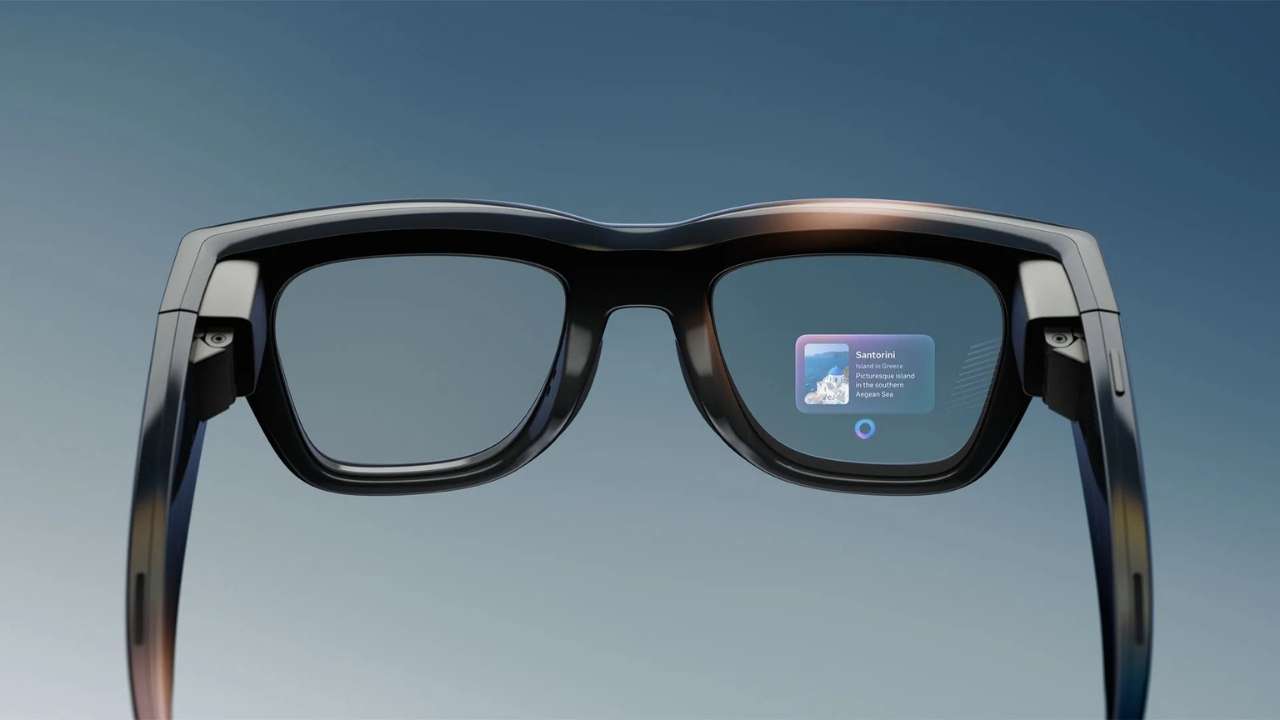
Smart technology has slowly made its way into every part of our lives, from our phones and watches to our homes and cars. Eyewear is the next area where fashion and technology are coming together perfectly. Companies like Meta, which works with Ray-Ban, and Oakley, which makes glasses that focus on performance, are making big moves to make smart glasses that are both fashionable and high-tech. Many people think that these products are the next big thing in both fashion and technology. Smart glasses are becoming the perfect balance between style and function as people rely more on wearable devices for communication, entertainment, and convenience.
Smart glasses are appealing because they are useful and can be worn every day. Glasses are already a natural part of fashion and everyday life, unlike other devices that might seem bulky or obviously technological. People wear them to fix their vision, protect their eyes, or make a fashion statement. Companies like Meta, Ray-Ban, and Oakley are making products that don’t feel out of place by adding technology to things people already use. It feels more like an upgrade to something people already use and like. This method makes smart glasses more appealing than devices that require people to learn something new.
Meta, which used to be called Facebook, has been making waves in the tech world with its investments in augmented reality and wearable tech. It worked with Ray-Ban, one of the most famous eyewear brands in the world, to combine style and function in a smart way. Ray-Ban glasses have been linked to timeless fashion and cultural influence for a long time. Hollywood stars and everyday people who like their sleek design both wear them. Meta is making Ray-Ban frames more than just a gadget by adding smart features to them. They want people to see them as a desirable lifestyle accessory. The partnership makes sure that the product doesn’t look like a tech toy; instead, it feels like a fashionable pair of sunglasses that you would want to wear no matter what kind of technology is inside.
For example, the Ray-Ban Stories are the start of this journey. People can take pictures and videos, listen to music, and make calls without having to reach for their phones with these smart glasses. The frames have tiny cameras and speakers built in, so they look like classic Ray-Ban styles like the Wayfarer. Meta’s vision is based on the idea that people can interact with each other without using their hands. This would allow people to easily share their daily lives with friends and family. The glasses are supposed to be an extension of social media, so people can stay connected while still living in the moment.
On the other hand, Oakley looks at smart glasses from a sports and performance point of view. Oakley has been working on wearable technology for years. The company is known for its high-performance lenses and designs that athletes like. Their smart glasses are made for both everyday use and improving athletic performance. Heads-up displays, real-time performance tracking, and voice commands are some of the features that give athletes important information without getting in the way of their activities. Cyclists, runners, and people who like to be outside can all benefit from being able to see data like speed, distance, heart rate, and navigation right in front of them.
What makes Oakley’s approach interesting is that it meets a specific need: improving performance while keeping style and comfort. Adding technology to its products seems like a natural next step for the brand, which is already known for making good sports eyewear. Athletes are more likely to use these new features if they already trust Oakley for safety and clarity. At the same time, the stylish designs are appealing to people who might want to wear the glasses for more than just sports, like for lifestyle and entertainment.
Meta’s Ray-Ban smart glasses and Oakley’s smart eyewear are both examples of the bigger trend of combining fashion and technology. People don’t want gadgets that look big and bulky or scream “tech” anymore. They want gadgets that fit in with their personal style. Eyewear is the perfect place to combine these two things because it is both necessary and fashionable. People only wear a few accessories on their faces, so design is just as important as how well they work. The partnership between tech companies and fashion brands makes sure that these products meet both sets of standards.
Smart glasses can do much more than just take pictures or show fitness data. One of the most exciting areas of development is augmented reality. Think about getting directions right in front of you while you walk down the street or trying on clothes online with AR overlays. Smart glasses could show professionals real-time information during meetings, presentations, or medical procedures. For fun, they could give people immersive experiences in gaming and watching movies. These aren’t just ideas for the future; they’re the way that wearable technology is quickly moving.
The fashion side of things is a big part of why people are adopting. People are more likely to wear technology if it looks good and goes with their style. Ray-Ban and Oakley have a long history of making stylish products, so smart glasses won’t be seen as ugly gadgets. They are making things that people would want to wear even if the technology inside them was taken out. The key to getting people to use this device is to make sure it fits in with their daily style. When the glasses look good, the technology is just an extra benefit instead of the only reason to wear them.
The growing need for hands-free experiences is another reason why smart glasses are becoming more popular. Smartphones are powerful, but they need to be handled all the time, which can be annoying and distracting at times. Smart glasses, on the other hand, let people stay in touch while letting their hands do other things. This is especially useful when you’re traveling, commuting, working out, or doing more than one thing at home. Being able to answer calls, listen to music, or see notifications without looking down at your phone makes using technology smoother and more seamless.
Smart glasses still have problems, even though they seem promising. For widespread use, issues with privacy, battery life, and cost must be dealt with. People may feel uneasy about cameras built into glasses, which raises issues of consent and surveillance. To gain people’s trust, companies like Meta need to make sure that privacy is protected and that it’s clear when cameras are recording. Another problem is battery life; people won’t buy glasses that need to be charged all the time. Finally, the price must be right between being cutting-edge and easy to get. If smart glasses stay too expensive, they will only be popular with a small group of people and won’t be able to reach a wide audience.
Smart glasses are still in their early stages, but the work that Meta’s Ray-Ban partnership and Oakley’s new products are doing shows that eyewear could become the next big wearable technology. Smart glasses are likely to become as common as smartphones and smartwatches are now, as hardware gets better, software gets smarter, and fashion brands keep working with tech giants. The goal is clear: to make glasses that not only look good but also give you information, connect you to others, and let you have immersive experiences.
In the end, Meta Ray-Ban smart glasses and Oakley smart eyewear are examples of how fashion and technology can come together in a way that is both natural and exciting. They are not just gadgets; they are lifestyle accessories that make people’s lives, work, and play better. Smart glasses are likely to be the next big thing in both fashion and technology as more people accept the idea of wearable tech that looks as good as it works. These products will not only get people’s attention, but they will also change the way we interact with the digital world because they combine classic design with cutting-edge technology.

WeeklyMinds.com is proud to feature an author who brings a wealth of knowledge and experience to our blog. Weekly Minds is an accomplished freelancer writer with 12 years of experience in the field.
WeeklyMinds.com has a passion for sharing insights and perspectives on political, news, technology, home improvement, interiors and many more. Their unique perspective on current affairs has been featured in numerous publications and they have been a guest speaker at college fests.
WeeklyMinds.com is also an avid interest in writing and reading and enjoys singing, music, shopping, travelling and some more. In their free time, they can often be found of reading the novels and various current topics.
We are thrilled to have Elia Scala as a contributor to WeeklyMinds and look forward to their continued insights and contributions to our blog.